TikTok signs Jumio to shield creators from deepfakes: proving you're real is now the new battle
🕒 Published on Zendoric: July 18, 2026 · 01:58
✨ AI-generated · how it's made
TikTok is testing with a small group of U.S. creators a system that detects AI clones of their face or voice, with identity verification via Jumio built in. It comes months after YouTube opened its own tool to all adults: authenticity is becoming platform infrastructure, not an accessory.
📚 Go deeper
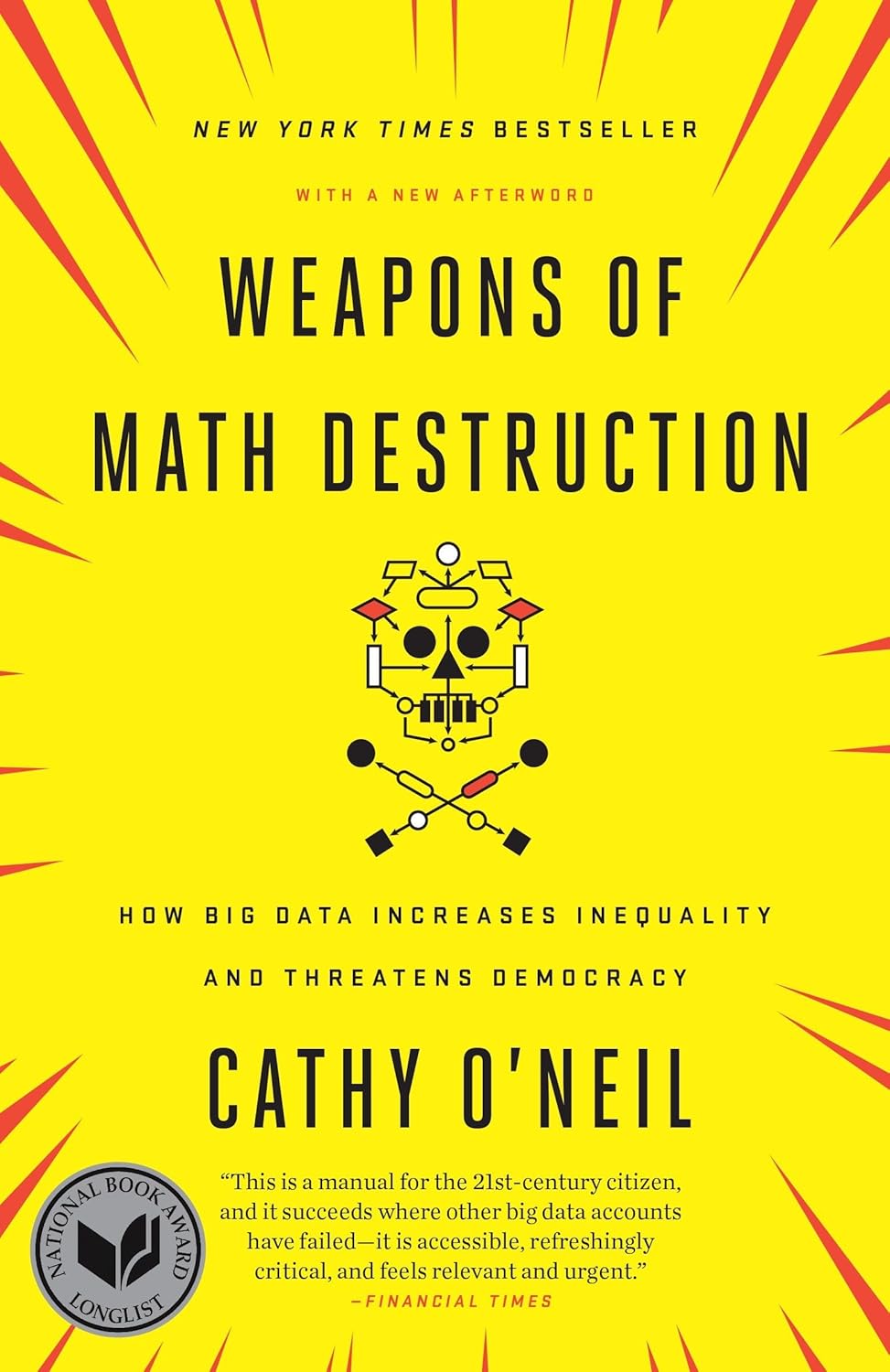
How opaque algorithms decide who gets credit, a job or parole — and why they tend to punish the same people.
As an Amazon Associate, Zendoric earns from qualifying purchases; the price does not change for you. · all our recommended books →
By The Tech Buzz · July 17, 2026.
TikTok has confirmed that it is testing, with a small group of U.S. creators, an AI-generated "likeness" detection tool: an opt-in system that lets those who verify themselves report videos that use their face or voice without permission. To gain access you must go through Jumio, a third-party identity-verification provider already used by banks and crypto exchanges, which requires a live selfie and a photo of official ID. TikTok maintains that it does not keep copies of those documents or store facial biometrics permanently, and it delegates that custody to Jumio. Once verified, the creator can flag suspicious content, which triggers a human review.
The move comes late relative to YouTube, which months ago extended its own likeness detection to all adult users after testing it with selected partners. And it happens at a time when cloning a voice from seconds of audio or swapping faces in video in real time no longer requires great computing power or specialized knowledge: open models make it accessible to anyone. The result, repeatedly documented, is scams with fake creator endorsements and explicit sexual deepfakes that rack up millions of views before anyone takes them down.
The technical detail that most interests us —and that TikTok has not clarified— is how the scanner actually works: whether it builds a reference biometric signature for each verified creator (as the verification process itself seems to suggest) or whether it relies on detecting synthetic artifacts by patterns. That ambiguity is not trivial: if the system needs a facial template of each creator to compare against, the platform is accumulating precisely the kind of sensitive biometric data whose misuse it is trying to prevent. The sector's underlying paradox: to protect you from someone cloning your face, you first have to hand your face over to a database.
Our reading is that this announcement matters less for the technology itself —imperfect, opaque and still very limited in deployment— than for what it reveals about where competition between platforms is heading. For years the regulatory and product focus was on moderating what gets published; now it is shifting to verifying who publishes it and whether that person is who they claim to be. Meta is testing provenance labels, Google promises to watermark all content generated by its own tools, and some researchers already suggest that the only lasting solution lies not in after-the-fact detection but in cryptographic authentication from the capture device itself —a chain of custody for the "real" that begins in the camera, not on the server. Detection and generation will keep up a cat-and-mouse race as long as that verifiable-origin standard doesn't exist, and that is where any investor or regulator wanting to anticipate the next move should be looking, not at an app's one-off patch.
This connects with something we've been pointing out for months: the short-term problem of generative AI is not hypothetical superintelligence, it's the industrialization of fraud and impersonation with tools already available today, at near-zero cost. There, honesty is required: no platform has yet solved how to scale human review when fakes can be generated by the thousands every hour, and TikTok has not explained what happens with repeat-offender accounts beyond the standard content takedown. It is, at best, a panic button, not a solution.
That said, we shouldn't lose sight of the long horizon. Building trust infrastructure and verifiable identity —even if it's born clumsy, fragmented across third-party providers like Jumio and without common standards— is exactly the kind of scaffolding that later allows AI to be deployed with guarantees in domains where the cost of a fake is far greater than a social-media scam: healthcare, legal identity, scientific verification. The same "governance before adoption" logic that today holds back AI projects in classrooms or in oncology is the one that, well resolved, will tomorrow make possible a society with an abundance of reliable tools instead of a jungle of synthetics indistinguishable from the real. The underlying problem is not the technology, it's that trust takes far longer to build than to destroy, and right now each platform is running that race on its own.
📚 Go deeper
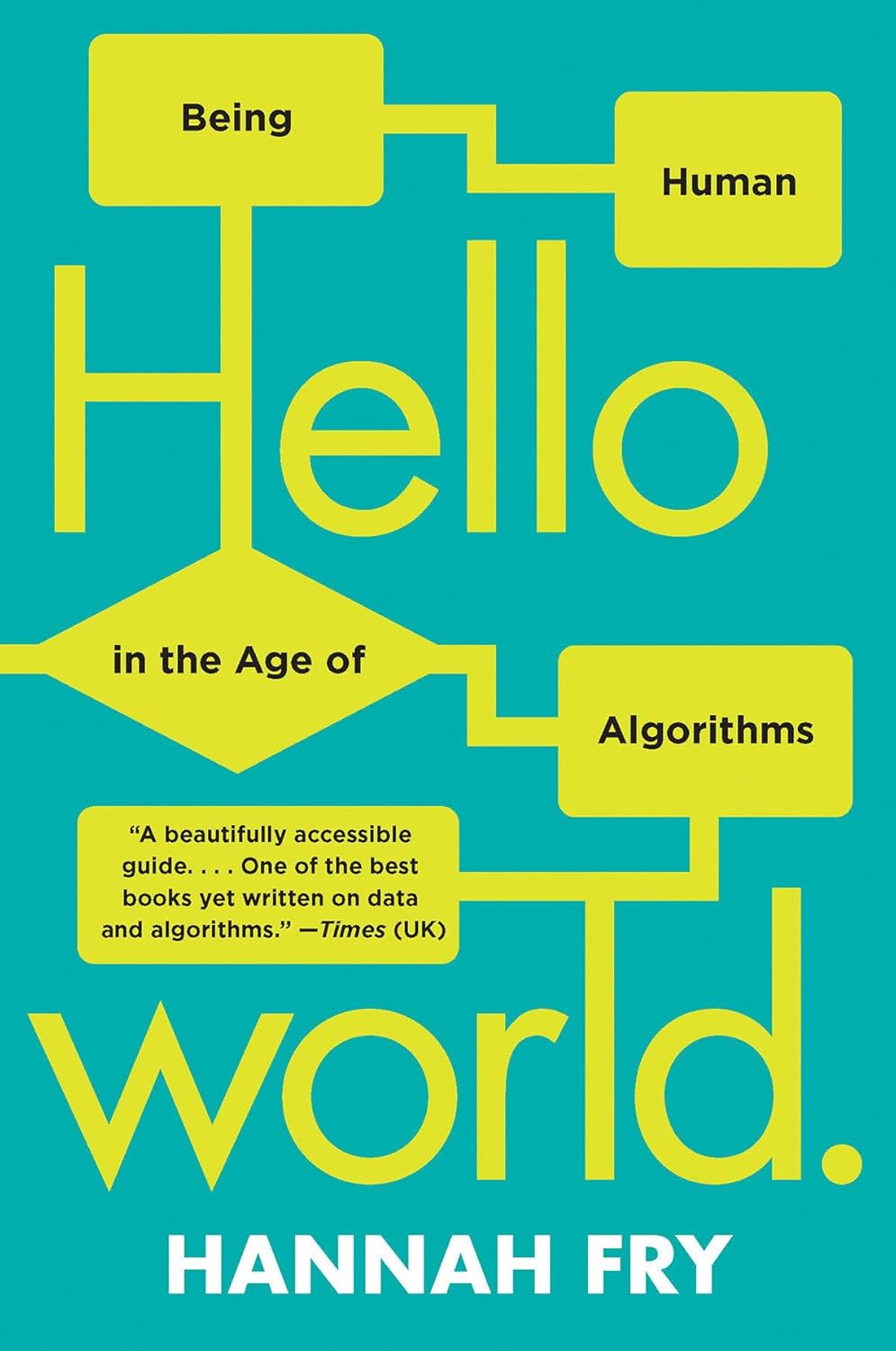
Algorithms in justice, medicine, cars and art, explained with British humor and mathematical honesty.
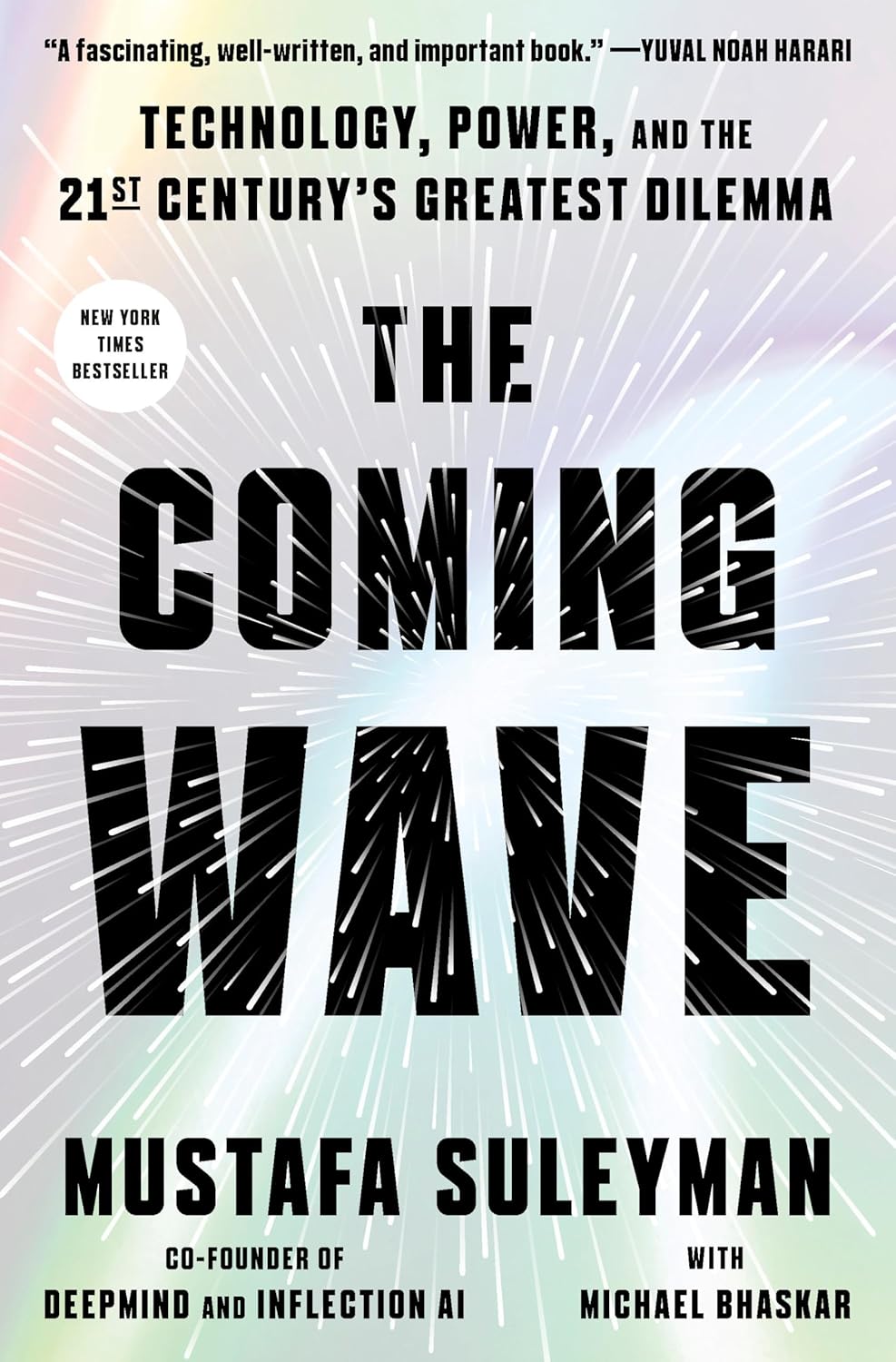
DeepMind co-founder on the dilemma of containing technologies that do not want to be contained.
As an Amazon Associate, Zendoric earns from qualifying purchases; the price does not change for you. · all our recommended books →
🔗 Related on Zendoric
- Three seconds of audio is all a voice clone needs — and every defense we have arrives too late · 2026-09-04
- Trademarking the voice: the legal play with which artists get ahead of deepfakes · 2026-06-27
- AI fraud forces digital identity to stop being a formality and become permanent surveillance · 2026-07-03