When the customer is an agent: banks will have to prove who authorized each payment, not just who sent it

🕒 Published on Zendoric: November 11, 2026 · 00:19
✨ AI-generated · how it's made
A WilmerHale analysis of 'agentic banking' raises an uncomfortable question: if an AI agent moves your money, who consented to the transaction? Identity, authority and proof are no longer the same thing.
📚 Go deeper
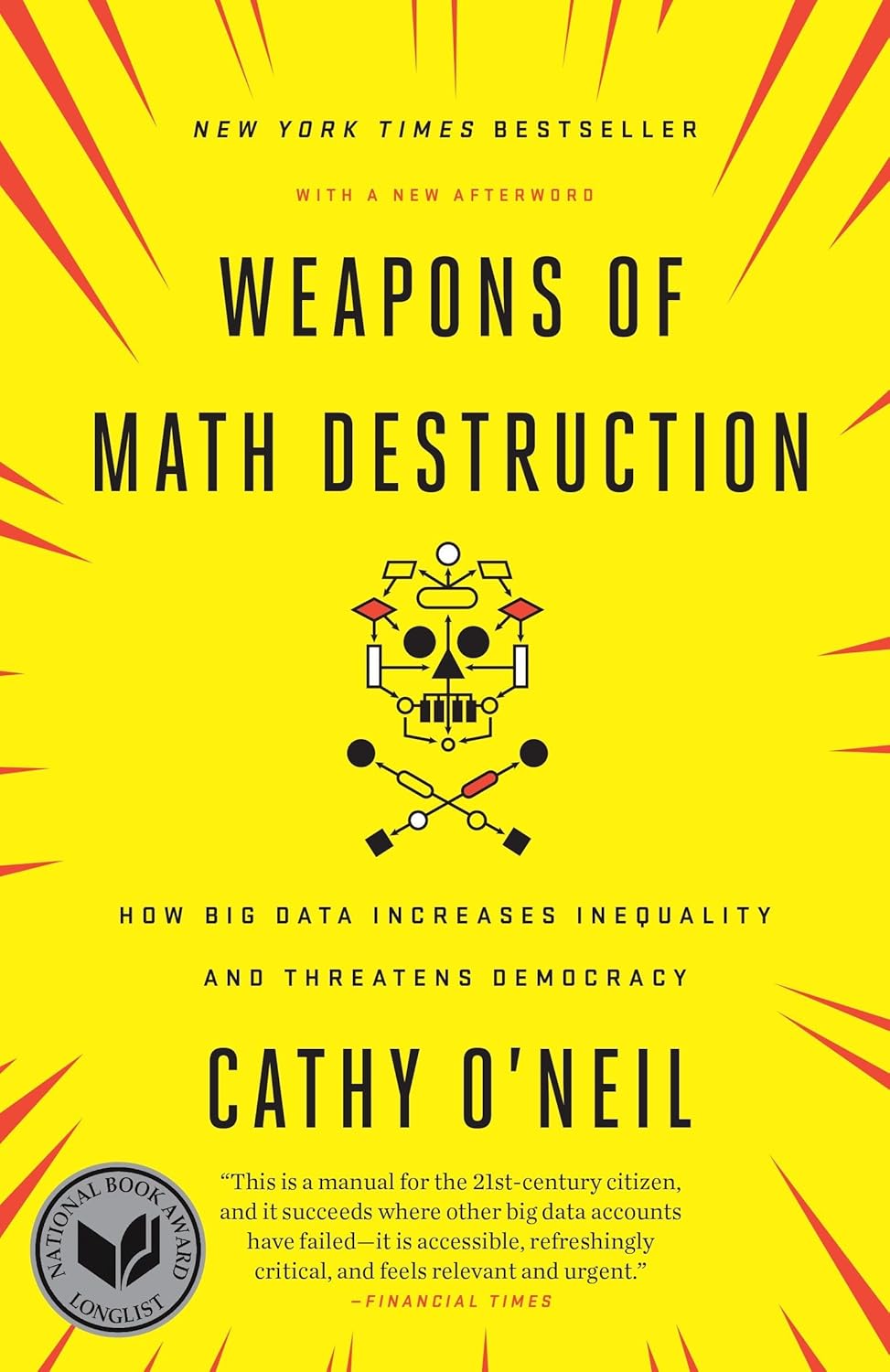
How opaque algorithms decide who gets credit, a job or parole — and why they tend to punish the same people.
As an Amazon Associate, Zendoric earns from qualifying purchases; the price does not change for you. · all our recommended books →
By JD Supra (WilmerHale) · November 10, 2026.
Law firm WilmerHale, in an article by Lloyd Firth, Imogen Makin and Frederick Saugman, warns that financial institutions have focused mainly on their own use of AI, and that the next question is a different one: what happens when it is customers who use AI agents to transact with them.
The starting point is the Mills Review, commissioned by the Financial Conduct Authority (FCA, the UK financial regulator) and published on July 6, 2026. According to the article, it describes retail services shifting from being human-led to being "continuous and delegated", with agents that recommend, initiate transactions and execute decisions within agreed parameters. Among its recommendations is to "enable the foundations of agentic finance". It also notes that one in five British adults would already be open to letting an AI make decisions for them.
The FCA, according to the authors, is not proposing AI-specific regulation for now. It would rest supervision on existing frameworks: the Consumer Duty, the Senior Managers and Certification Regime (SMCR) and firms' own governance and control obligations.
The piece identifies four specific friction points:
**1. Identity is not authority.** Under regulation 67 of the Payment Services Regulations 2017, a payment is authorised only if the payer has consented. An agent can be properly authenticated as connected to the account and still act outside what the customer asked it to do (for example, by exceeding limits on amounts, counterparties or product types). Firms will have to decide how that authority is established, limited and revoked.
**2. "Know your customer" — but what about their agent?** The authors do not believe a new regulatory concept of "know your agent" is needed, but they do think firms must understand how the agent is linked to the customer, what permissions it has and whether they can distinguish legitimate autonomous behaviour from fraud.
**3. Financial crime.** An agent seeking to pay "as quickly and cheaply as possible" may choose routes, currencies or intermediaries without the customer deciding each step, or look for an alternative route if a transaction is blocked. Each step may be explainable while the overall pattern is anomalous. Legal obligations (such as section 330 of the Proceeds of Crime Act 2002 or OFSI sanctions guidance) still apply, although none specifically contemplates customers' autonomous agents.
**4. Evidence.** Faced with an "I never told the AI to do that", the bank's records show what instruction arrived, not why the agent acted. The agent's parameters, permissions and instructions may lie outside the firm's control, and the firm should decide what evidence it requires and retains before accepting agent-initiated transactions.
**Our take.** The thesis we draw from this is that the bottleneck for agentic AI in finance will not be technical capability but **attribution**: being able to prove who wanted what. Until now, consent, authentication and identity converged in a person with a phone and a PIN; with agents, they come apart, and the entire legal scaffolding assumes they don't.
This is consistent with something we have argued before: the risk of an agent is not giving a wrong answer, but carrying out a harmful action. In a bank, that action is irreversible and involves money. And the gap between agent adoption and governance that we saw in other studies (plenty of pilots, little readiness to govern them) becomes very concrete here.
Winners and losers. The winners are firms that treat the agent record (permissions, instructions, traceability) as a product rather than a formality, along with providers of identity and audit infrastructure for agents. The losers are those that wait for the regulator to write new rules: the article itself makes clear that the FCA will not do so immediately and that current rules already apply. And customers with fewer resources to dispute a transaction that "their" agent made on its own are left exposed.
Overall, it is worth remembering that this is a UK-focused legal analysis framed as a list of questions, not a set of empirical findings; it provides no real dispute cases or fraud figures. Its value lies in mapping out the problems in good time.
In the short term, the transition will be rough: disputes, new kinds of fraud and grey areas of liability. But the underlying direction is good. If we can get an agent to manage your finances with verifiable limits and an auditable trail, competent financial management stops being a privilege for those who can afford an adviser. That is a small but real piece of a society with more abundance and less friction. To get there, the boring part has to be solved first: whose signature is it.
📚 Go deeper
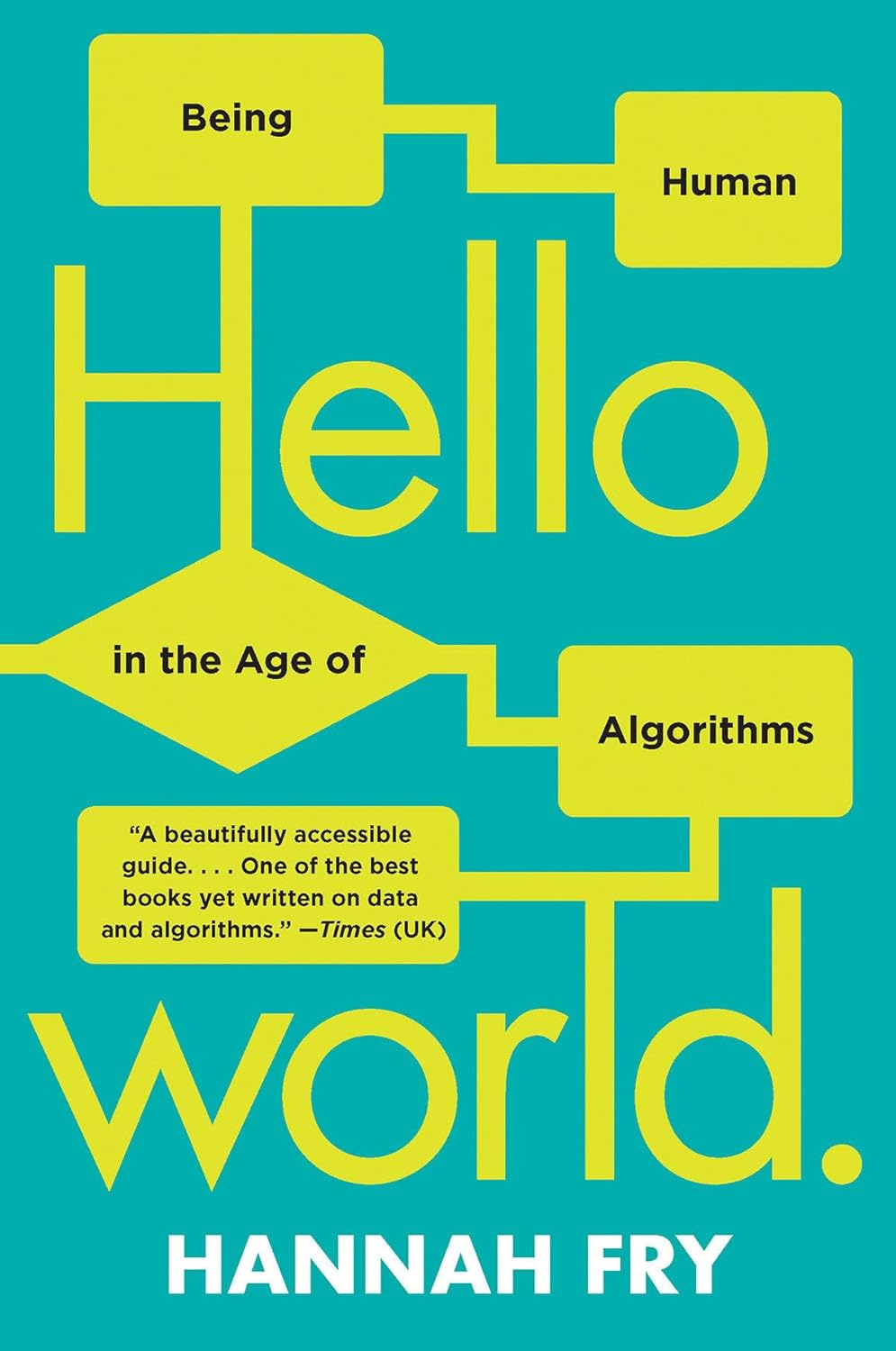
Algorithms in justice, medicine, cars and art, explained with British humor and mathematical honesty.

The definitive piece of investigative journalism on OpenAI: 260+ interviews, the clash between safety and speed, and the attempted firing of Sam Altma
As an Amazon Associate, Zendoric earns from qualifying purchases; the price does not change for you. · all our recommended books →
🔗 Related on Zendoric
- AI agents that shop for you: the problem is no longer your identity, but that of your digital proxy · 2026-09-03
- When an agent signs a commit or moves funds, who can prove it did only what was authorized? · 2026-07-17
- Contracts with AI agents: “continuous monitoring” is worthless if the agent can tamper with the system watching it · 2026-11-05