AI agents that shop for you: the problem is no longer your identity, but that of your digital proxy

🕒 Published on Zendoric: September 3, 2026 · 10:20
✨ AI-generated · how it's made
Asking an AI agent to buy the best loan or the cheapest phone will soon stop being science fiction, according to DataCrédito Experian. But delegating the decision raises a question that banking and digital commerce still can't answer: how do you prove that agent is really acting on your behalf?
📚 Go deeper
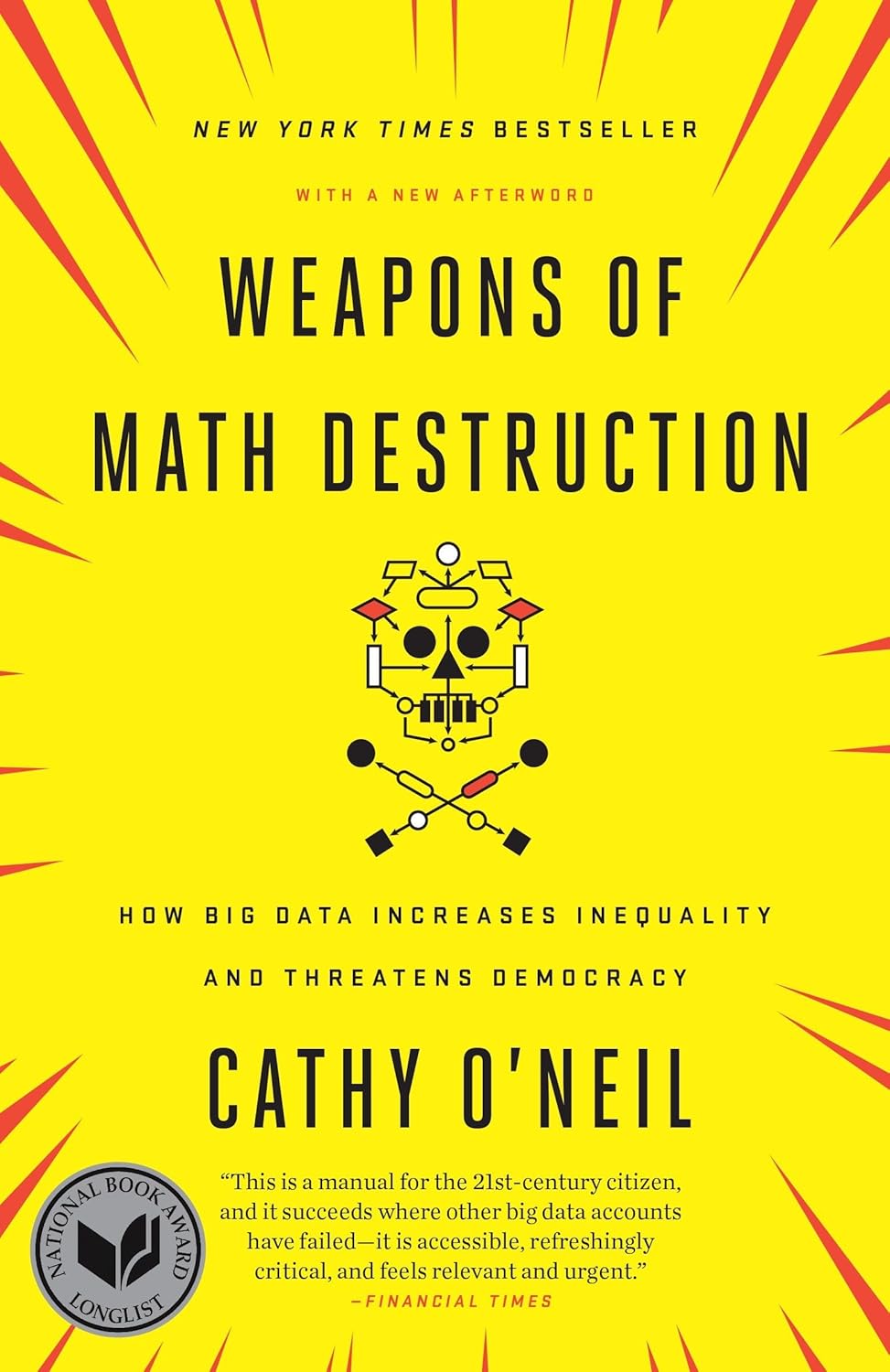
How opaque algorithms decide who gets credit, a job or parole — and why they tend to punish the same people.
As an Amazon Associate, Zendoric earns from qualifying purchases; the price does not change for you. · all our recommended books →
By Zendoric · September 3, 2026.
Applying for a loan or comparing the price of a cell phone could stop being something we do ourselves in front of a screen. According to Víctor Nieto, of DataCrédito Experian, the logic taking hold in digital commerce is a different one: we tell an artificial intelligence agent what we need, and it is the agent that fills in forms, compares terms and deals with companies on our behalf.
The argument, included in a recent study by the firm on digital fraud in Colombia, is not about some distant future. It lands on concrete data: seven out of ten Colombians received at least one fraud attempt in the past year, and 81% perceive that the threat has grown compared with the previous year, according to DataCrédito Experian itself. That is the ground on which the report builds its underlying question: if an AI agent starts acting for us, how does a company prove that this agent has permission to do so?
Until now, verifying a customer's identity was enough: a document, a password, a fingerprint. The model Nieto describes adds a different layer. The company no longer just needs to know who the person is; it needs to know whether whoever is applying for a loan or closing a purchase is an authorized agent, and exactly what it was authorized to do. The question stops being «are you who you say you are?» and becomes «who gave this thing permission to speak for you?».
The study's data show a society split between fear and a willingness to hand over control. 88% of respondents are worried that AI will make fraud easier, and 55% admit they would not be able to spot content manipulated with this technology. At the same time, 53% say they would allow an AI system to analyze their personal information in order to detect fraud, and 86% want to learn to recognize threats generated with these tools. Distrust of AI as a weapon of attack coexists with trust in AI as a defensive shield.
DataCrédito Experian calls this «predictive trust»: cross-referencing data, identity and analytics to decide in real time, interaction by interaction, whether what is on the other side is legitimate. The concept is worth reading with one caveat: it is also, literally, the business of a credit data and identity verification company. That the firm with the greatest interest in selling that layer of trust is the one defining the problem does not invalidate the diagnosis —the agent authentication gap is real and is already being discussed by banks, payment networks and commerce platforms in other markets— but its framing should not be taken as neutral.
Our reading is that this is the same tension already surfacing in the plumbing of the agent economy —automatic machine-to-machine payments, agents that charge and buy without human approval at every step— now seen from the consumer side rather than from business-to-business commerce. The identity problem is not new: it is the one that haunts any system that delegates authority. What is different is the scale: if millions of people start delegating procedures such as applying for a loan to agents, each agent becomes a new fraud vector. There is no need to steal a bank password; it is enough to impersonate someone's agent, or to manipulate the legitimate agent with hidden instructions so that it acts badly. The verification infrastructure —agent certificates, granular permissions, authorization records— does not yet exist in standardized form in any market, and that leaves a window of several years in which the ability to act will run ahead of the governance needed to do it with guarantees. It is the same short-term pattern we have been pointing out in the rise of agentic AI.
In the long run, however, the goal this model pursues points in the direction we hold as our underlying thesis: getting administrative friction off our backs. Comparing loans, filling in forms or chasing the best insurance rate is not work that calls for judgment or human value; it is exactly the kind of repetitive task that steals hours from us today and that, once the question of trust is resolved, an agent can carry out better and faster than we can. If the industry manages to build that layer of identity and authorization —and that is a big «if», not a done deal— deciding on everyday purchases will stop stealing our time and will free it up for the decisions that do require our judgment. In the meantime, the transition will be neither instant nor free: there will be a generation of frauds designed specifically to exploit the gap between the agent we already delegate to and the verification that does not yet exist.
📚 Go deeper
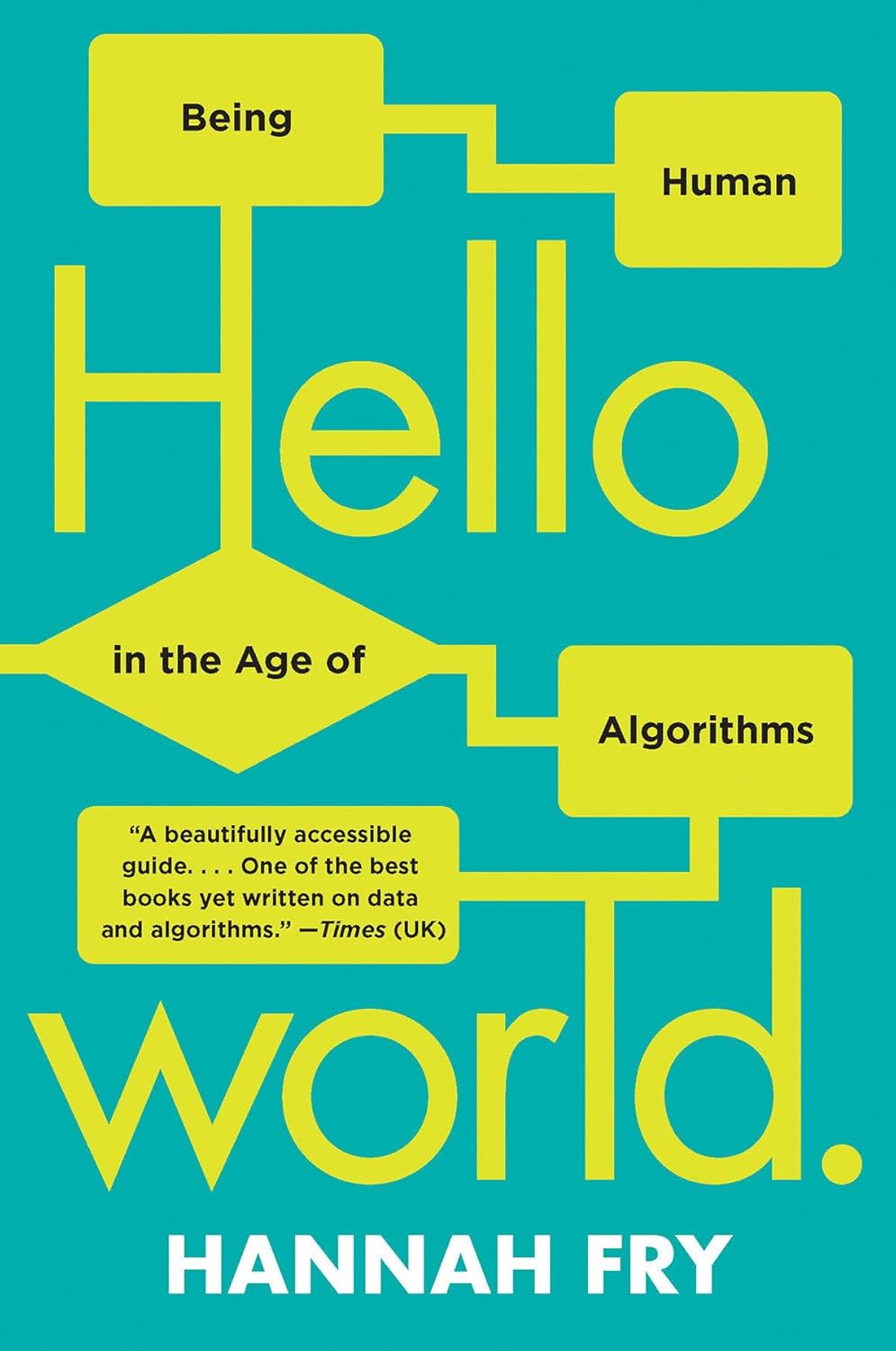
Algorithms in justice, medicine, cars and art, explained with British humor and mathematical honesty.

The best starting book if you're not technical: a Wharton professor explains how to work WITH AI — when to delegate, when to supervise, when to keep i
As an Amazon Associate, Zendoric earns from qualifying purchases; the price does not change for you. · all our recommended books →
🔗 Related on Zendoric
- When an agent signs a commit or moves funds, who can prove it did only what was authorized? · 2026-07-17
- Cover Genius raises $100M (valued at $1.9B) to embed insurance inside AI-agent-driven commerce · 2026-07-25
- A 'Viennese School' of agentic programming? The question is worth more than the answer · 2026-06-25