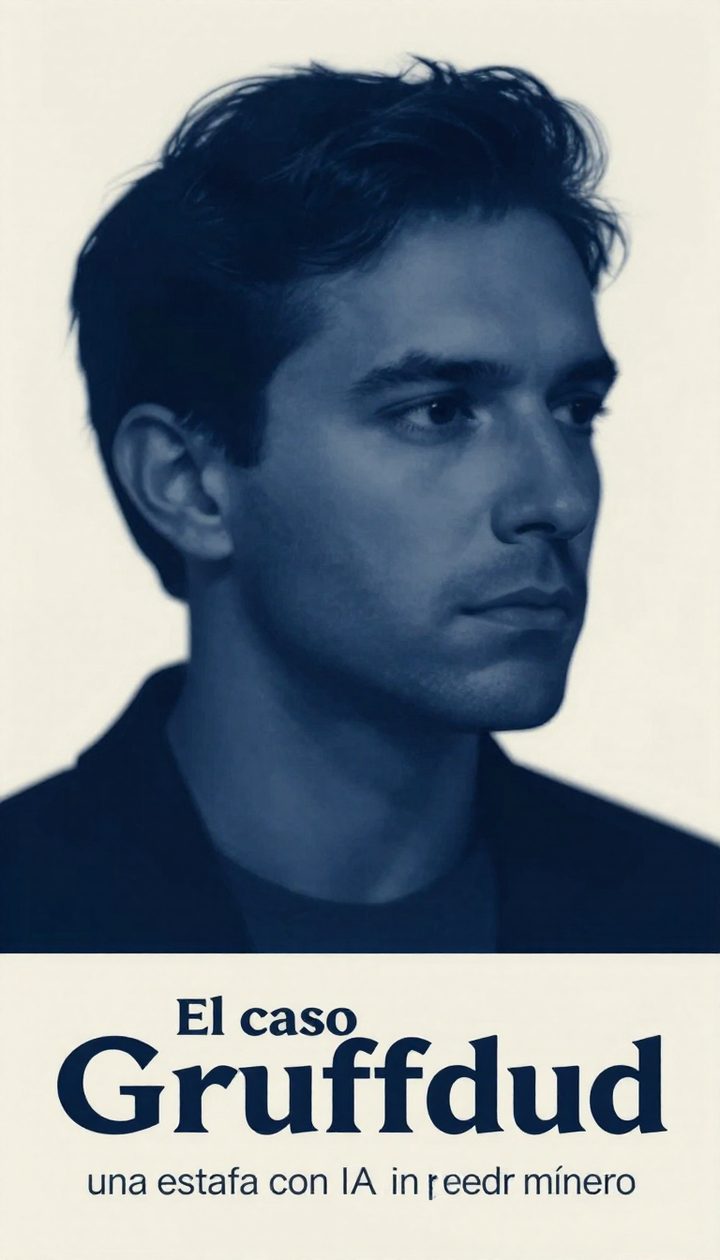
The Gruffudd case: an AI scam that asked for no money, and why celebrities' identities are now a mass risk
🕒 Published on Zendoric: November 10, 2026 · 02:47
✨ AI-generated · how it's made
For a year, a woman believed she was having an affair with Ioan Gruffudd thanks to hundreds of AI-generated images and videos. No money was involved: the deception was emotional, and that makes it more unsettling.
📚 Go deeper

How opaque algorithms decide who gets credit, a job or parole — and why they tend to punish the same people.
As an Amazon Associate, Zendoric earns from qualifying purchases; the price does not change for you. · all our recommended books →
By TheWrap · November 9, 2026.
Actor Ioan Gruffudd, known for “Fantastic Four”, warned on Instagram that someone is impersonating him using AI. According to his account, a woman approached him at a convention in Chattanooga (Tennessee) convinced that she had been in an extramarital relationship with him for more than a year.
According to Gruffudd, she showed him hundreds of “explicit and disturbing” AI-generated images and videos sent by someone claiming to be him. Again according to the actor, the scammer contacted her through the Facebook page of the series “Elsbeth”, on which he guest-starred in 2025. There the scammer obtained her phone number and suggested continuing the conversation on Telegram.
Gruffudd has reported the case to the police and given them the victim's number. He notes that he never gives his phone number to strangers and urges his followers not to engage with anyone claiming to be him outside his official account, @ioangruffudd, and never to send money.
There is an important nuance he added later: it was not a financial scam. No money was ever requested or sent. According to the actor, the victim herself said that was precisely why she never doubted it was him.
Our take: this case dismantles the fraud-detection tip we repeat most often, “if they ask for money, be suspicious.” Here the deception worked on trust and emotion, and the absence of any request for money served as proof of authenticity. Money would likely have come into it at a later stage; but that is speculation, not a reported fact, and the outlet does not claim it.
What is documented is the mechanism, and it is simple. A public profile with plenty of image material, a recruitment channel on social media and a private conversation on a messaging platform. Generative AI supplies the personalized content. Broadly speaking, the cost of fabricating believable “evidence” of a relationship has fallen to almost zero.
This ties into an argument we make: the real short-term risk of AI is not distant superintelligence, but the industrialization of deception that is already available. Celebrities are the visible case, but the victim here is an anonymous person, and anyone with a voice or a face on the internet can be replicated. Victims of this kind of fraud generally feel ashamed, which reduces reporting; here, Gruffudd's public profile has brought the case to light.
What to do, in practice. Platforms should tighten profile verification and stop fan or series pages from becoming a showcase for their followers' contact details. Users need a new habit: no image, video or voice is proof of identity anymore, and celebrities do not start private relationships over messaging apps. As industry context, content provenance verification tools are advancing, but they have yet to reach ordinary users.
In the long run, we believe the same technology will make it possible to authenticate identities far more reliably than we can today. The road there runs through an uncomfortable transition, and this woman is one of its victims: real harm, without a single euro involved.
📚 Go deeper

Algorithms in justice, medicine, cars and art, explained with British humor and mathematical honesty.
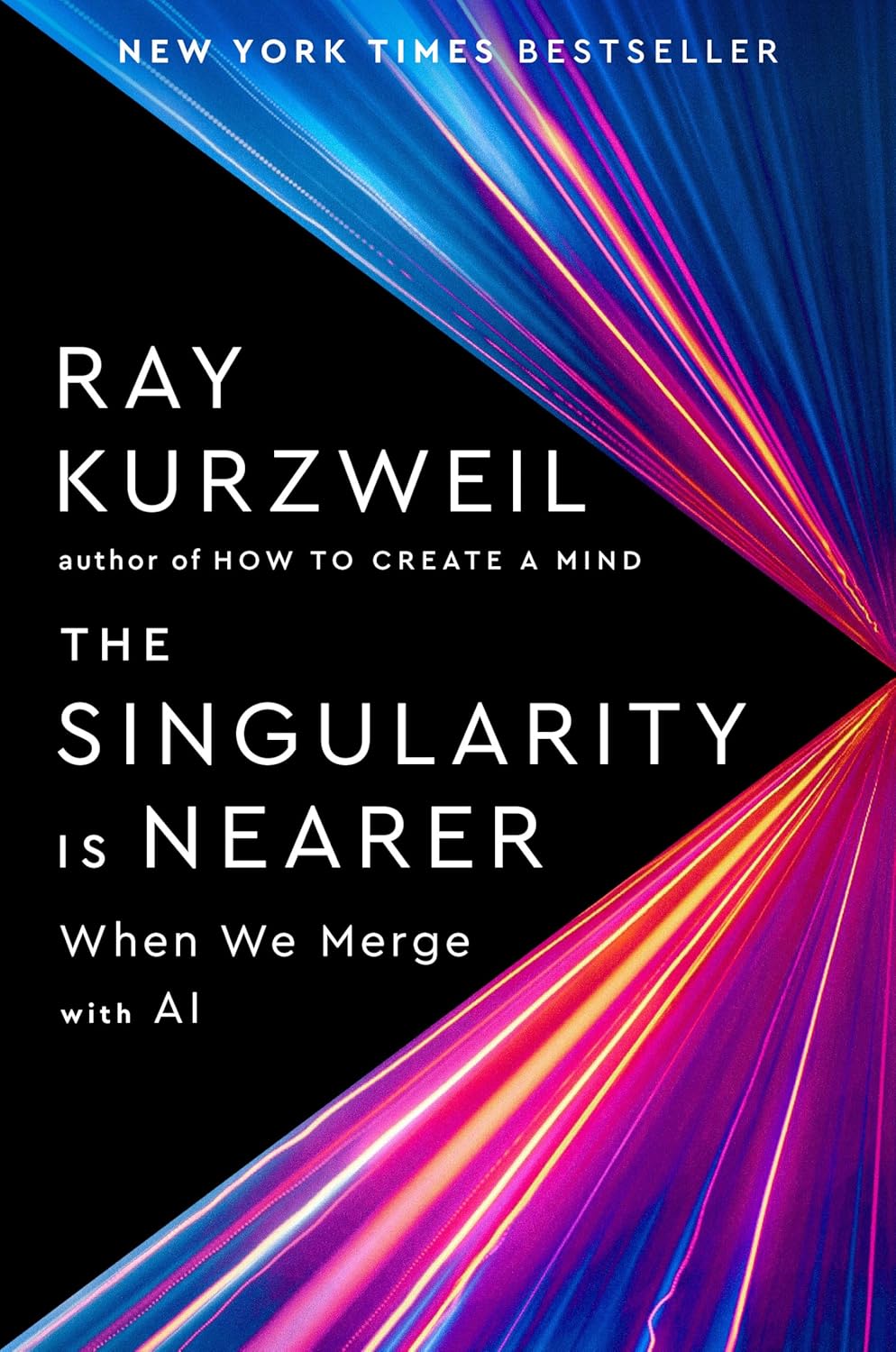
Twenty years after "The Singularity Is Near", Kurzweil revisits his predictions and keeps the date: human-AI merger around 2045.
As an Amazon Associate, Zendoric earns from qualifying purchases; the price does not change for you. · all our recommended books →
🔗 Related on Zendoric
Sources & references
- TheWrap — The Gruffudd case: an AI scam that asked for no money, and why celebrities' identities are now a mass risk
- El Nuevo Herald — The Huang case is not a personal scandal: it's the risk of the China chip lobby being led by someone exposed to pressure
- Roastbrief — MIRI takes its superintelligence alarm to the New York subway: existential-risk AI becomes a mass campaign