Nvidia investigates whether its CEO was a target of Chinese espionage, showing that chip leaders now face personal security risks

🕒 Published on Zendoric: November 8, 2026 · 00:05
✨ AI-generated · how it's made
Nvidia is investigating whether its chief executive was a target of Chinese espionage after he disclosed a relationship with a businesswoman. Nothing has been confirmed, and nobody has been accused of wrongdoing. Still, the inquiry shows how far the US–China AI race now reaches into the private lives of the people who lead it.
📚 Go deeper

Semiconductors as the oil of the 21st century: history, espionage, and why an island of 23 million people underpins the entire AI economy.
As an Amazon Associate, Zendoric earns from qualifying purchases; the price does not change for you. · all our recommended books →
Nvidia is investigating whether its chief executive was targeted by Chinese espionage. According to the report, the inquiry began after he disclosed a relationship with a businesswoman. That is all the available material says. It does not say what prompted the suspicion, who the businesswoman is or whether any evidence of spying has been found.
On these facts, an investigation is a precaution, not a finding. The report does not accuse the businesswoman or the executive of anything, and we don't either. A company that checks a possible exposure after a disclosure is doing basic security work. It has not uncovered a plot.
The context explains why the inquiry matters. Nvidia makes the chips that train and run most frontier AI models. That puts it at the centre of US export controls, which are rules restricting what advanced hardware can be sold to China. As we have argued before, those controls turn products into geopolitical assets and push China to build its own capabilities faster. The same logic now reaches the people. The CEO of the company behind AI's key hardware knows about roadmaps, supply chains and government talks. If he was a target, nobody needed to attack the chips. They would only need access to him.
Our reading: this story fits a thread we have followed for some time. In AI security, the most urgent risks are usually near-term and human, not science-fiction scenarios. These include agentic fraud, industrial espionage and social engineering, meaning manipulation of people rather than systems. Gatekeeping hardware and model weights, the trained parameters of a model, is not enough if the people who decide on them are not protected. We expect AI and chip companies to treat their top executives more like officials with security clearances, with clear disclosure rules, vetting and counter-intelligence support. Doing this without sliding into suspicion of anyone with ties to China will be hard.
The long-term view still holds. Stronger security and better governance are part of the cost of making AI a shared tool for curing disease and creating abundance, rather than a weapon fought over in secret. We will wait for the results of Nvidia's investigation before drawing firmer conclusions.
📚 Go deeper

The story of NVIDIA and Jensen Huang: how a video-game card company ended up making the most coveted resource on the planet.
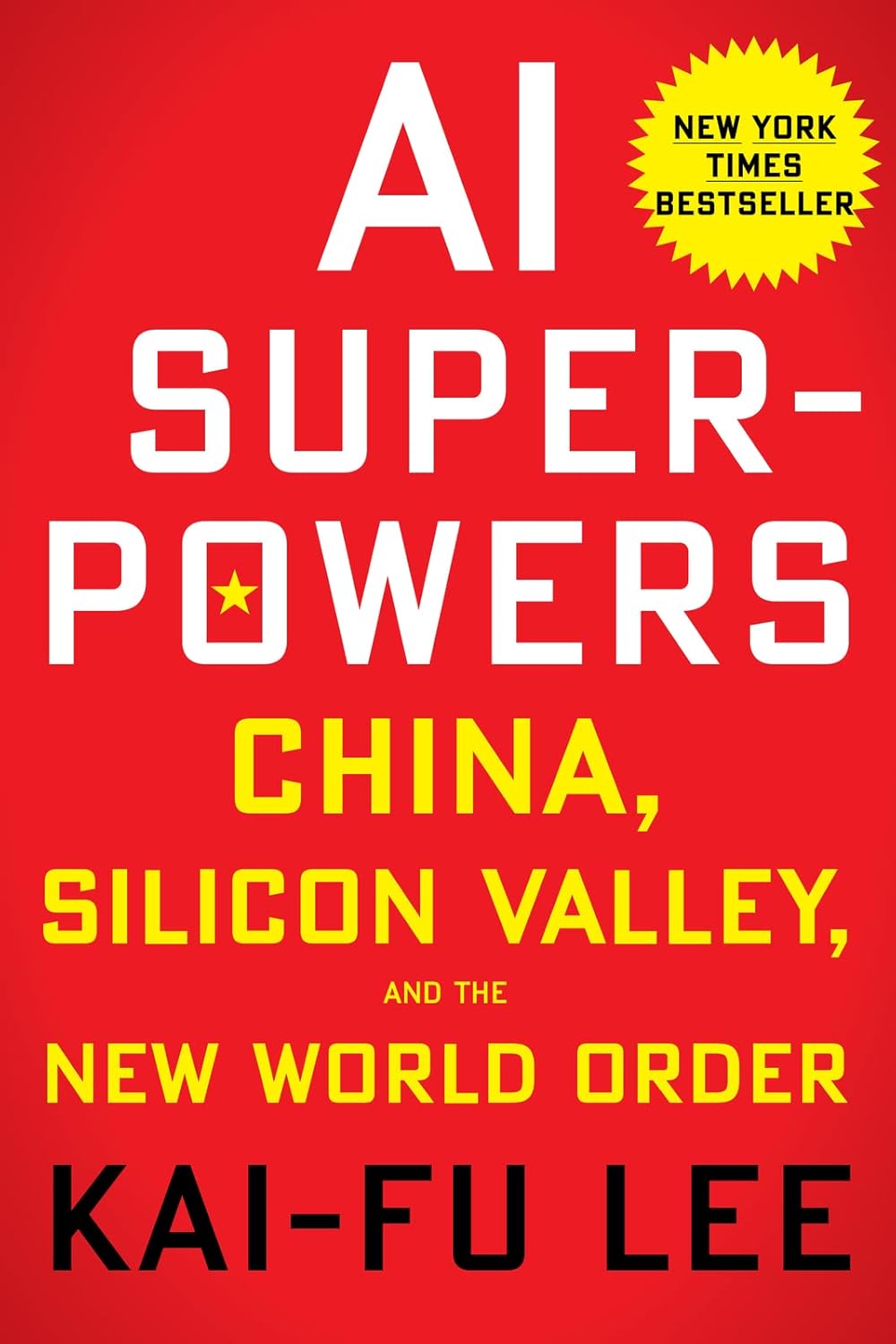
China vs.
As an Amazon Associate, Zendoric earns from qualifying purchases; the price does not change for you. · all our recommended books →
🔗 Related on Zendoric
- Nvidia investigates whether Jensen Huang was spied on: AI chip security now includes the person running the company · 2026-11-09
- NVIDIA and the Alice Huang case: an unconfirmed espionage allegation that tests U.S. chip policy · 2026-10-30
- Nvidia investigates Jensen Huang over relationship with alleged Chinese agent: the risk of relying on a single leader · 2026-11-09