NVIDIA and the Alice Huang case: an unconfirmed espionage accusation that tests US chip policy

🕒 Published on Zendoric: October 30, 2026 · 00:05
✨ AI-generated · how it's made
A journalist summarizes a New York Times investigation on TV: the US reportedly suspected a Chinese executive of diverting AI chips to China, and Trump allegedly did not act. These are second-hand accounts; what is solid is the underlying tension between trade and security.
📚 Go deeper

Semiconductors as the oil of the 21st century: history, espionage, and why an island of 23 million people underpins the entire AI economy.
As an Amazon Associate, Zendoric earns from qualifying purchases; the price does not change for you. · all our recommended books →
By Perfil · October 29, 2026.
Journalist Norman Powell discussed a New York Times investigation on the program Ronda de Corresponsales (+Perfil). According to his summary, U.S. intelligence services were monitoring a senior executive at a Singapore-based data center company suspected of diverting advanced AI chips to China.
The investigation identifies the executive as Alice Huang, a Chinese citizen. According to Powell, the surveillance reportedly revealed a close relationship with Jensen Huang, CEO of NVIDIA. Powell notes that they share a surname, but the material provides no evidence of the nature of the relationship or of any wrongdoing by Huang.
According to Powell, Donald Trump was briefed on these findings about a year ago and took no action. Powell adds that "there is speculation" this was to avoid interfering with NVIDIA's chip sales, which drive the economy and the stock market. This is the journalist's speculation, not an established fact.
A caution about the source: what we have is a televised summary of someone else's investigation, which we have not been able to check against the original text. The intelligence conclusions ("she was acting as an agent of the Chinese") are attributed to the authorities, according to Powell. There is no record that NVIDIA, Jensen Huang or Alice Huang have been formally charged or have responded to these reports.
Our take: regardless of what is confirmed, the case illustrates a structural problem. AI chips are both a flagship commercial product and a strategic asset. Export controls depend on intermediaries, data centers in third countries and the political will to enforce them. That is where the leak occurs. In general, the tension between corporate revenue and national security is the real crux of this story.
If the reports were confirmed, the damage would be twofold: to security, and to the credibility of a controls policy whose effectiveness is already being debated. If they are not confirmed, they will be another example of how the U.S.–China rivalry fuels narratives that mix evidence with speculation. We ask for the same in both cases: evidence-based governance, chip traceability and transparency about who decides when to act.
In the long term, AI will continue to point toward an abundance worth pursuing. But getting there requires that its critical infrastructure be governed by clear rules rather than opaque decisions.
📚 Go deeper

The story of NVIDIA and Jensen Huang: how a video-game card company ended up making the most coveted resource on the planet.
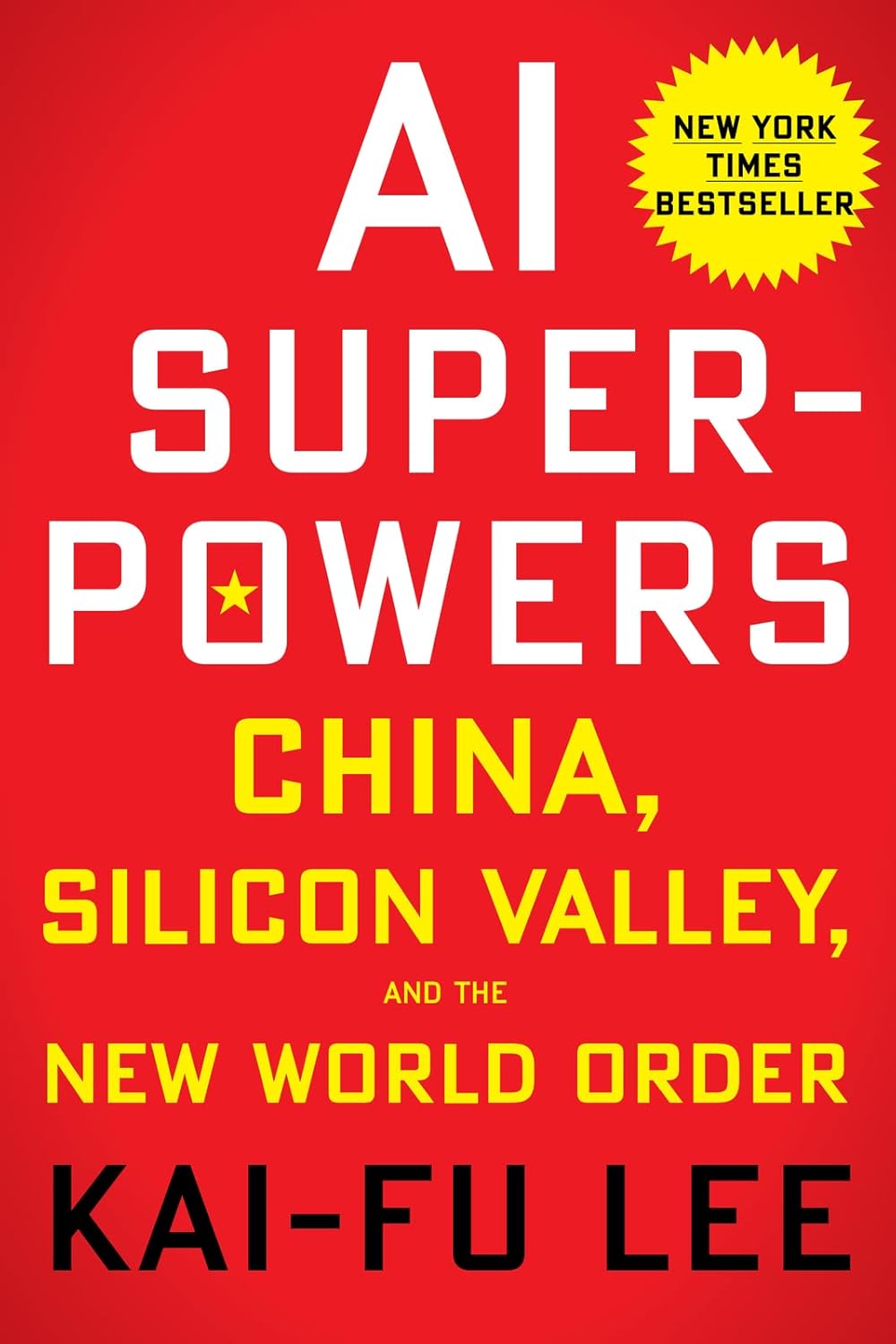
China vs.
As an Amazon Associate, Zendoric earns from qualifying purchases; the price does not change for you. · all our recommended books →
🔗 Related on Zendoric