Trump bought tech stocks the same day he announced his AI Action Plan

🕒 Published on Zendoric: July 4, 2026 · 00:29
✨ AI-generated · how it's made
The article, based on a New York Times investigation into Donald Trump's financial disclosures during his second term, reveals that on July 23 he bought up to $5 million in shares of Amazon, Apple, Meta, Microsoft, NVIDIA and Broadcom.
📚 Go deeper

The definitive piece of investigative journalism on OpenAI: 260+ interviews, the clash between safety and speed, and the attempted firing of Sam Altma
As an Amazon Associate, Zendoric earns from qualifying purchases; the price does not change for you. · all our recommended books →
The article, based on a New York Times investigation into Donald Trump's financial disclosures during his second term, reveals that on July 23 he bought up to 5 million dollars in shares of Amazon, Apple, Meta, Microsoft, NVIDIA and Broadcom. According to the report, that purchase coincided exactly with the day the White House released its long-awaited Action Plan on Artificial Intelligence.
The text places this stock market move within a period described as the most personally lucrative for a sitting president, with gains exceeding 2 billion dollars, much of it attributed to cryptocurrency sales. Added to this now is his role as an active investor in major tech companies.
The New York Times had previously reported that brokerage accounts linked to the Trump family carried out more than 3,600 stock trades. Although the assets are not in a blind trust, the official defense maintains that the family does not directly intervene in which shares their brokers buy or sell. However, the newspaper itself has on other occasions documented "well-timed" investments, such as the acquisition of Dell shares shortly before the company won a defense contract worth 9.7 billion dollars.
A particularly delicate point noted by the article is that Trump was legally required to immediately disclose the purchases of shares in Amazon, Apple, Microsoft and the other mentioned companies, but did not do so at the time. As a consequence of these repeated omissions, he had to pay a minor fine for breaching this transparency rule.
The article closes with an ironic note: it recalls that in January 2025 Trump expressed support for having American citizens who are "repeat offenders" in certain violations expelled from the country, suggesting that future similar violations on his part might not be resolved as easily as a simple fine.
It should be noted that the original piece is very brief and functions more as a news brief than as an extended analysis: it merely summarizes the New York Times findings without providing additional figures, primary documents or direct statements from the White House or Trump. No details are offered about the specific content of the AI Action Plan or about how it substantively relates to the stock purchases, beyond the temporal coincidence noted. Nor is the exact mechanism of the fine paid or its amount explained, so any assessment of the legal seriousness of the case should be taken with caution, since the article itself does not delve into those aspects.
📚 Go deeper
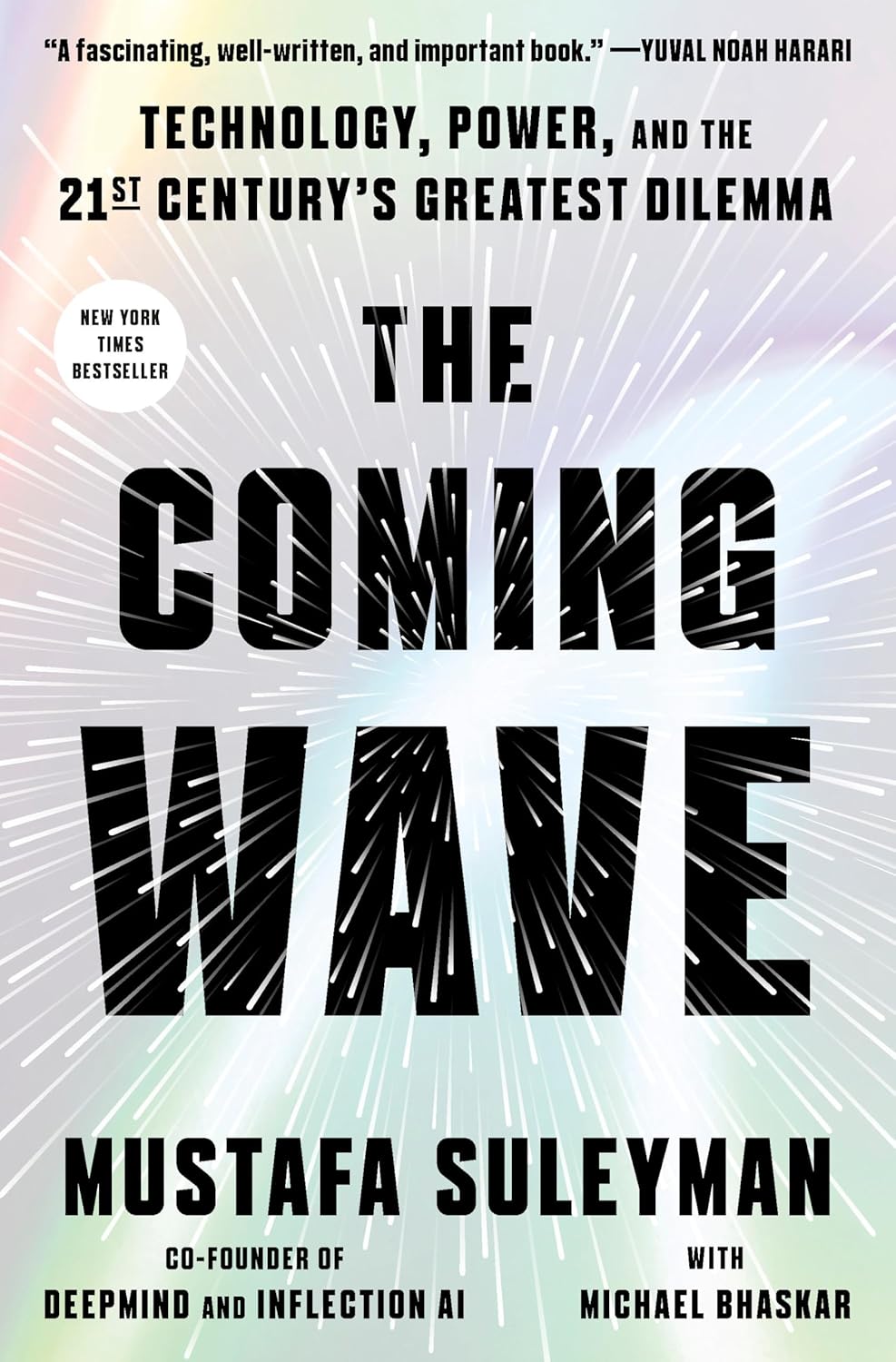
DeepMind co-founder on the dilemma of containing technologies that do not want to be contained.
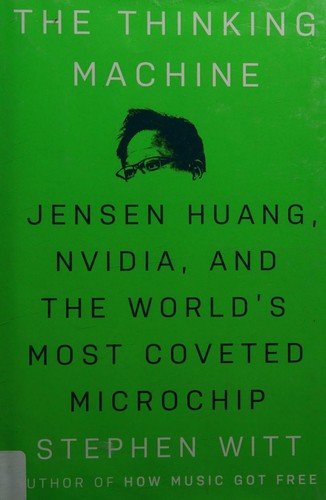
The story of NVIDIA and Jensen Huang: how a video-game card company ended up making the most coveted resource on the planet.
As an Amazon Associate, Zendoric earns from qualifying purchases; the price does not change for you. · all our recommended books →
🔗 Related on Zendoric