Bell AI's Saskatchewan data centre: the key question is who pays the power bill, not how much AI gets built
🕒 Published on Zendoric: November 8, 2026 · 00:05
✨ AI-generated · how it's made
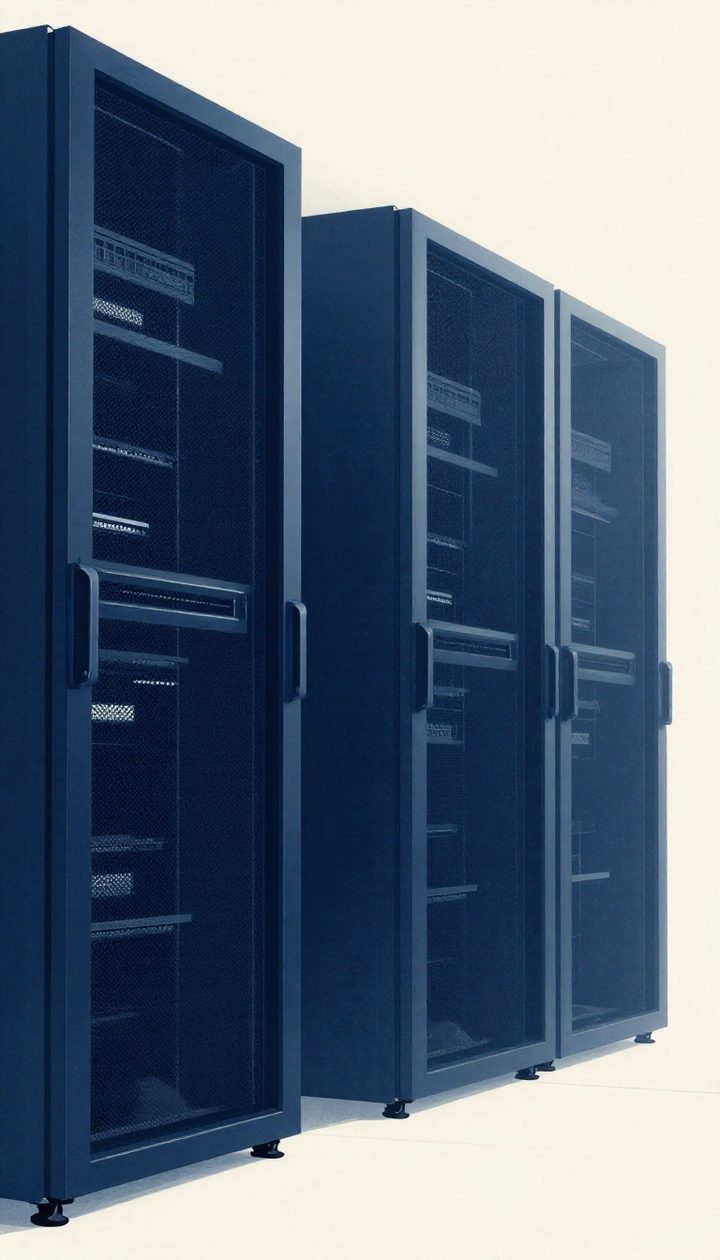
Saskatchewan's opposition is demanding that the agreement with Bell for an AI data centre be made public and asking whether it will lower electricity prices. The government offered no examples. It is a useful case for seeing how the cost of AI is shared.
📚 Go deeper

The story of NVIDIA and Jensen Huang: how a video-game card company ended up making the most coveted resource on the planet.
As an Amazon Associate, Zendoric earns from qualifying purchases; the price does not change for you. · all our recommended books →
By MooseJawToday.com · November 7, 2026.
On Thursday, Saskatchewan's Legislative Assembly (Canada) passed the motion in reply to the throne speech by a vote of 32 to 21. An opposition amendment declaring a loss of confidence in the Government failed by the same margin, according to reporter John Cairns.
One of the week's most debated issues was Bell AI's data center project, which would be built in the Rural Municipality of Sherwood. The NDP (New Democratic Party, the main opposition party) accuses the Government of a lack of transparency about the deal. According to the article, it tried unsuccessfully to bring an emergency motion to the floor calling for the release of the memorandum of understanding (MOU, the preliminary agreement) signed with Bell. It also raised questions about US President Donald Trump's financial ties to companies involved in the project.
The most concrete clash was over electricity bills. NDP MLA Aleana Young asked Jeremy Harrison, the minister responsible for SaskPower, for "a single example" of a place where data centers have lowered power prices. Harrison did not cite any. He argued that the Government's energy strategy makes it possible to supply Bell, "a new customer" and a "significant source of revenue" for the public utility. Young concluded that the answer was "zero" and that the cost to consumers is "enormous." These are each side's political positions; the article provides no independent data on the actual effect on rates.
Our take: this debate is a preview of what many regions seeking to attract AI infrastructure will face. The promise is investment, revenue and jobs. The legitimate question is who bears the cost of the power grid and on what terms. A data center draws a lot of power constantly, and whether that consumption lowers or raises household bills depends on how the contracts are designed, not on the technology itself. That is why the deal's transparency is no minor detail: it is the only way for citizens to judge whether it is a good deal.
In general, in the short term AI expansion strains power grids and public budgets, and residents feel that before they see the benefits. In the long term, computing capacity is the foundation for advances in medicine and for the abundance we champion, but that promise is only credible if costs are shared in the open. A government that wants to attract AI gains legitimacy by publishing its contracts; one that refuses hands arguments to those who oppose all infrastructure.
A note of caution is also in order: the piece is a legislative report, and the project's economic details (power capacity, investment, agreed rates) do not appear in it. Until the MOU is released or independent estimates emerge, the discussion will remain more political than technical.
📚 Go deeper

Semiconductors as the oil of the 21st century: history, espionage, and why an island of 23 million people underpins the entire AI economy.

The best starting book if you're not technical: a Wharton professor explains how to work WITH AI — when to delegate, when to supervise, when to keep i
As an Amazon Associate, Zendoric earns from qualifying purchases; the price does not change for you. · all our recommended books →
🔗 Related on Zendoric
- AI 'Digital Ghosts' Don't Beat Death — They Reshape How We Grieve, for Better or Worse · 2026-07-02
- The Pentagon wants AI data centers on military bases; a single one in Texas would rival El Paso's electricity consumption · 2026-07-26
- Nvidia's Huang declares "AGI has arrived" — note who is declaring it, and on what evidence · 2026-09-08