AI 'Digital Ghosts' Don't Beat Death — They Reshape How We Grieve, for Better or Worse

🕒 Published on Zendoric: July 2, 2026 · 08:26
✨ AI-generated · how it's made
The claim that AI "defeats death" by letting us chat with lost loved ones is marketing, not medicine. What's really being built is a new grief technology — powerful, intimate, and largely ungoverned. The question isn't whether it works, but whether it heals or traps.
📚 Go deeper
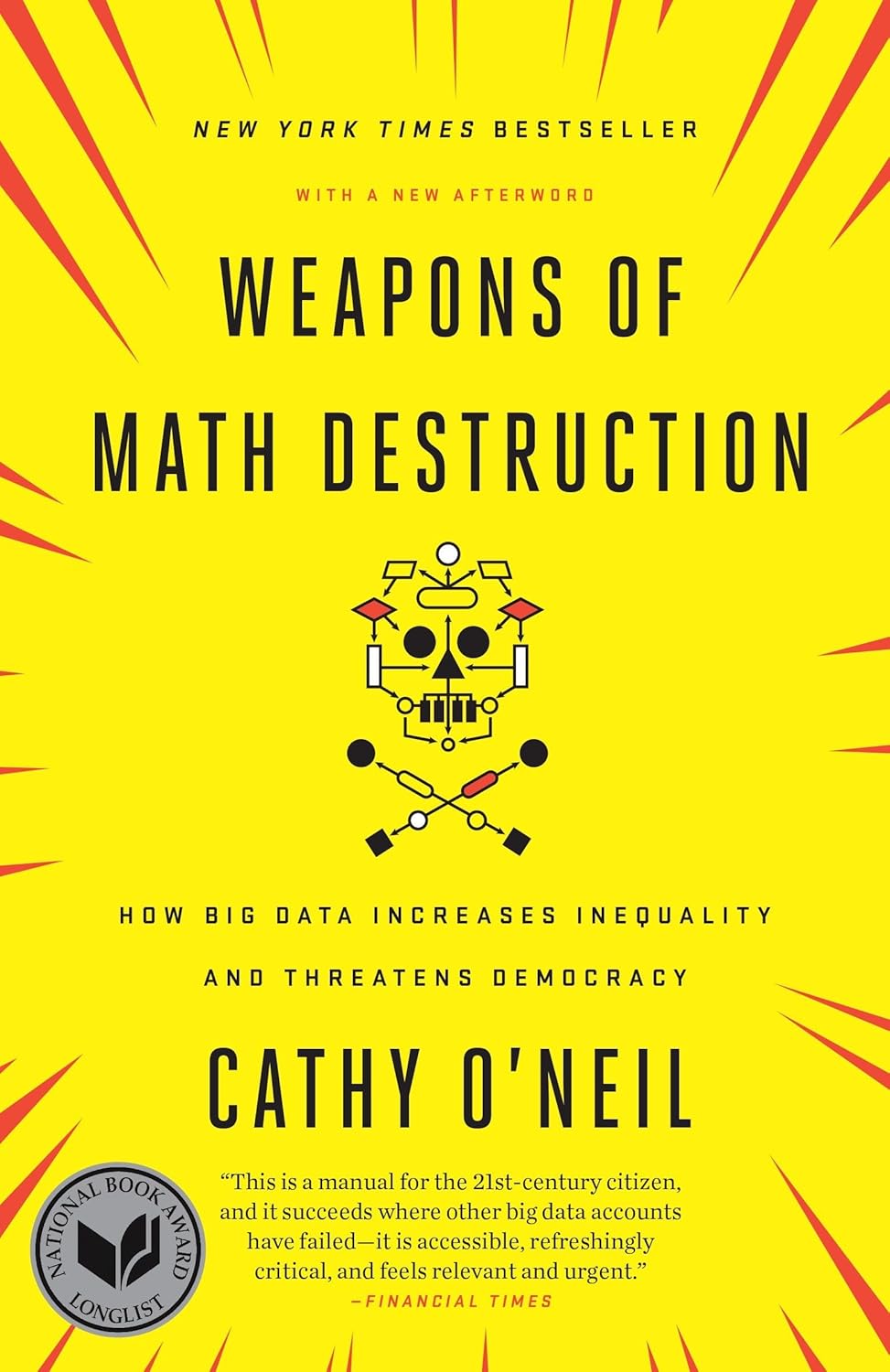
How opaque algorithms decide who gets credit, a job or parole — and why they tend to punish the same people.
As an Amazon Associate, Zendoric earns from qualifying purchases; the price does not change for you. · all our recommended books →
The headline says artificial intelligence now creates "digital ghosts" and "defeats death," letting people speak with relatives who have passed away. Strip away the framing and the fact is narrower but real: systems can now ingest a person's messages, voice and mannerisms and generate plausible replies in their style — so-called griefbots or deadbots.
Let's be precise about the language, because it matters. Nothing here "defeats death." These tools do not restore a person; they synthesize a statistical impression of how someone expressed themselves. Calling that victory over mortality is the kind of euphemism that sells a product while quietly overpromising to the most vulnerable audience imaginable — the bereaved. We should attribute the grand claim to those making it, and treat it skeptically.
The honest short-term picture is mixed. For some, hearing a familiar voice one last time could offer comfort or a sense of closure, much like rereading old letters. For others, an always-available simulation risks freezing grief in place, monetizing mourning, and raising unresolved questions of consent: did the deceased ever agree to become a chatbot, and who controls — or profits from — their digital likeness afterward? These are design and governance problems we are meeting largely unprepared.
Our reading: this is a preview of a broader pattern in AI's near future — genuinely capable technology arriving faster than the norms to hold it. The long-term promise of AI that we believe in is concrete — erasing disease, extending healthy life, freeing people to pursue what they love. "Talking to the dead" is a different thing: it doesn't extend life, it simulates its echo. The mature response isn't to ban the impulse or to celebrate it uncritically, but to insist on the guardrails that make it humane — explicit consent, clear labeling that this is a model and not a person, data ownership for families, and the involvement of grief professionals. Handled with care, it's a new ritual object. Sold as immortality, it's a false promise aimed at people least able to resist it.
📚 Go deeper
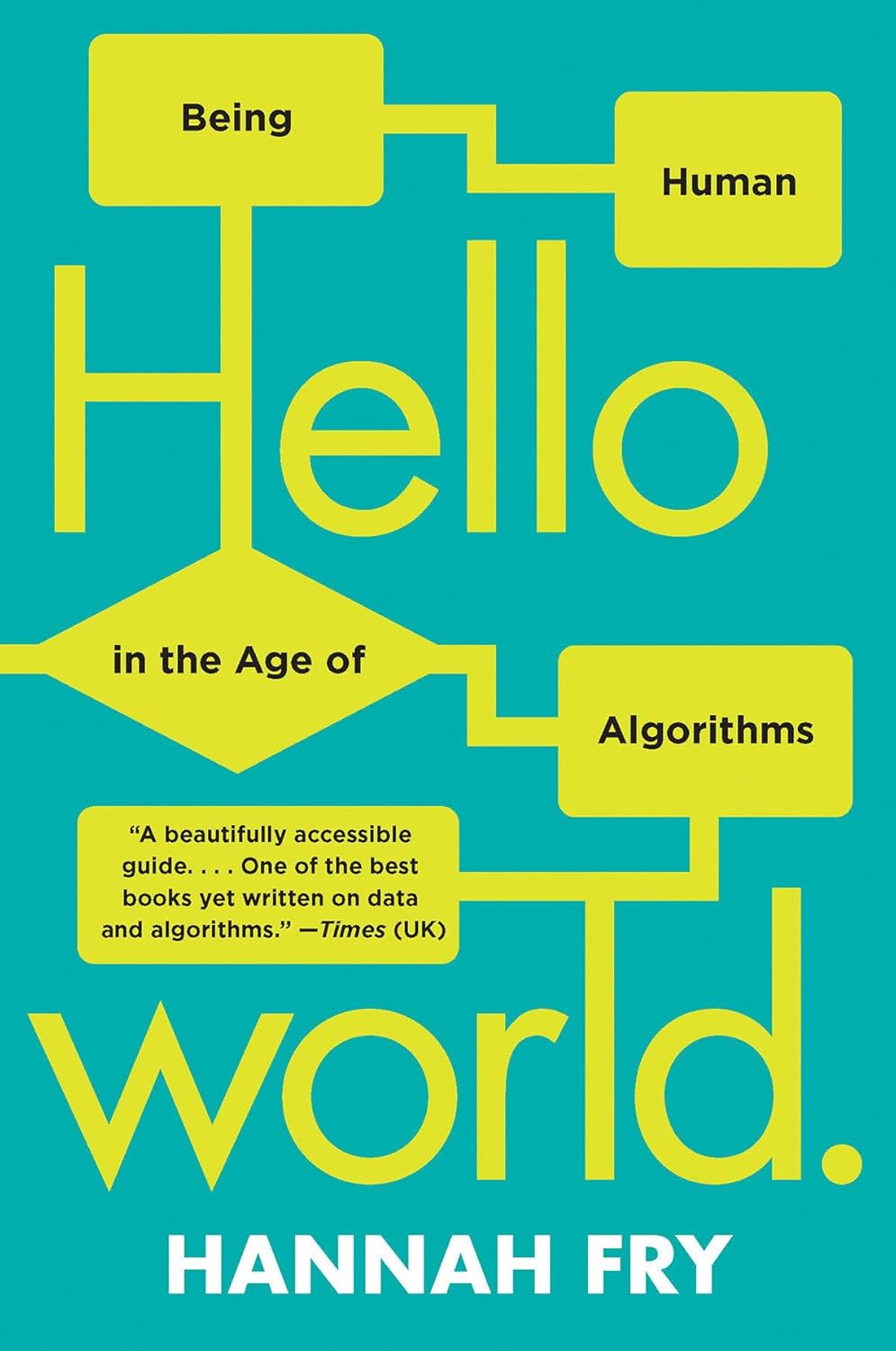
Algorithms in justice, medicine, cars and art, explained with British humor and mathematical honesty.

The best starting book if you're not technical: a Wharton professor explains how to work WITH AI — when to delegate, when to supervise, when to keep i
As an Amazon Associate, Zendoric earns from qualifying purchases; the price does not change for you. · all our recommended books →
🔗 Related on Zendoric
- Genomics plus AI: why the public health of the future is also being decided in Rancagua, not just San Francisco · 2026-07-16
- AI agents that shop for you: the problem is no longer your identity, but that of your digital proxy · 2026-09-03
- AI Slop for Kids: TikTok's Synthetic Flood Is a Curation Crisis, Not a Tech One · 2026-06-25