Quibim brings to ESMO 2026 its AI that reads in medical images what the eye can't see: from biomarker to clinical decision
🕒 Published on Zendoric: November 3, 2026 · 00:06
✨ AI-generated · how it's made
Itta MacNevin, an executive at Quibim, explains in an interview how AI extracts invisible information from breast and prostate cancer images. The underlying question: what is still missing for this to move from clinical trials to everyday practice?
📚 Go deeper

The only novel on the list, by a Nobel laureate: an artificial friend observes humans with a blend of lucidity and innocence no essay achieves.
As an Amazon Associate, Zendoric earns from qualifying purchases; the price does not change for you. · all our recommended books →
By Los Angeles Times (LA Times Studios) · November 2, 2026.
Itta MacNevin, Chief Business Officer of Quibim, takes part in a video interview with JBMS during ESMO 2026, Europe's major oncology congress. According to the published summary, she discusses how artificial intelligence can extract information from medical images that clinicians cannot see with the naked eye.
According to that description, Quibim's technologies are already applied to breast and prostate cancer imaging. MacNevin also explains how imaging biomarkers (quantitative measurements extracted from MRI or CT scans, rather than a simple visual assessment) could help predict response to treatment. She also states that pharmaceutical companies already use these tools to inform decisions in clinical trials. And she addresses what is still needed for these technologies to be reliable in routine oncology practice.
A word of caution: the available material is only the synopsis of a video, published by LA Times Studios, a unit independent of the newspaper's newsroom. It includes no figures, study names, validation data or regulatory details. Everything above is therefore what the company and its executive claim, not verified results we can check here.
**Our take.** What is interesting is the order of the sentence: first pharmaceutical trials, then routine clinical practice. In general, that is the usual path in AI medical imaging. A clinical trial is a controlled environment, with standardized imaging protocols and a customer, the pharmaceutical company, that pays to reduce uncertainty about whether a drug works. Everyday practice is another matter: different equipment, variable quality, the need for regulatory approval and to show that the biomarker changes a decision and improves patient outcomes.
That is the real bottleneck, and it is good that the interview itself acknowledges it. A predictive biomarker is only worth something if it is validated in diverse populations and if the oncologist can trust it and understand why it says what it says. Explainability and clinical accountability matter as much as accuracy.
In the short term, this means support tools, not replacement: AI adds a quantitative layer to what the radiologist already sees. In the long term, the direction is the one we champion at Zendoric: more precise and predictive medicine, where it is known in advance which treatment will work for each patient and the one that won't is avoided. That brings closer the prospect of turning cancers that are deadly today into manageable diseases. The data still needs to be seen, but the approach points in the right direction.
📚 Go deeper
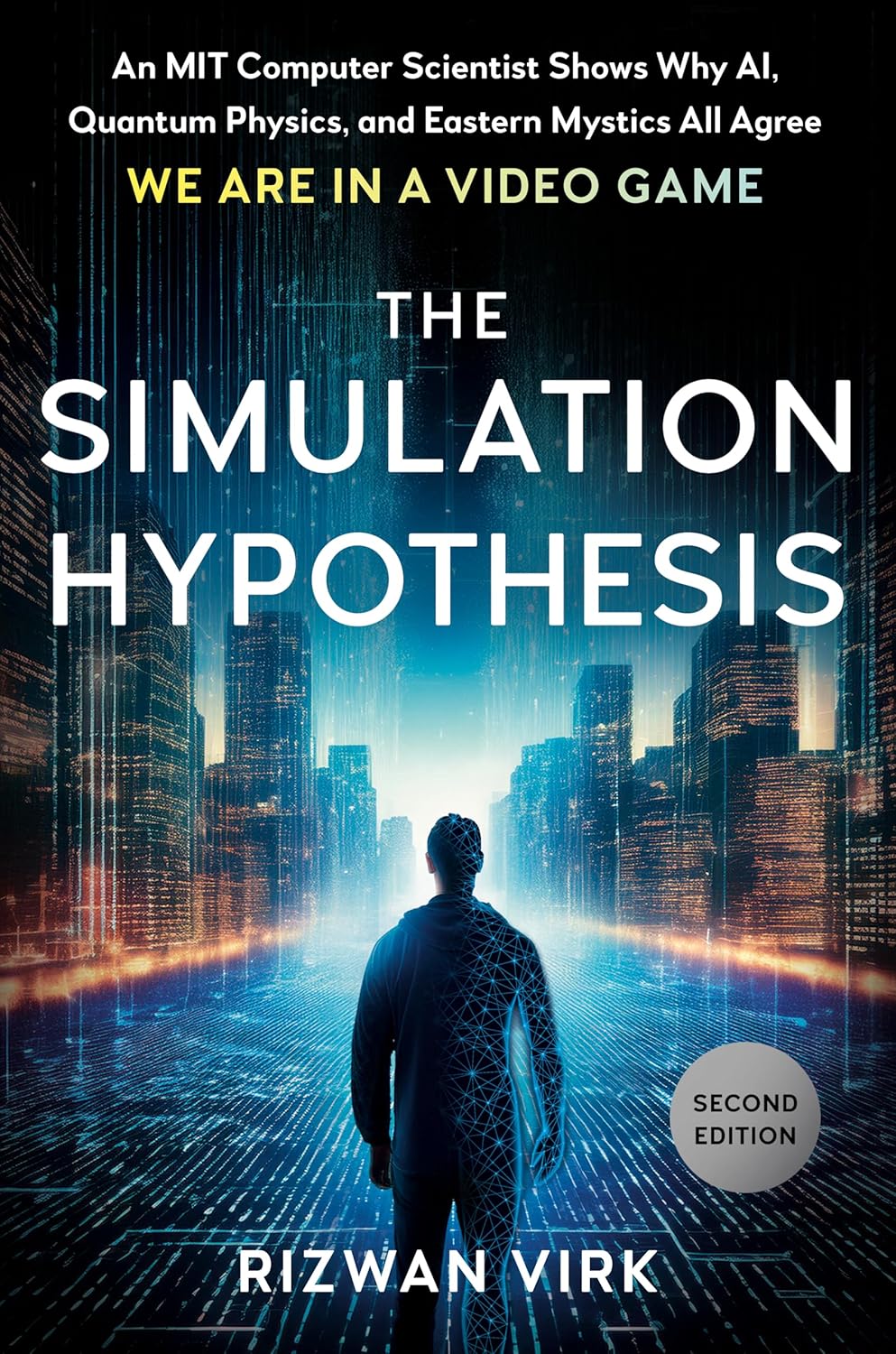
An MIT computer scientist connects AI, quantum physics and video games to take an uncomfortable question seriously: what if we live in a simulation? M
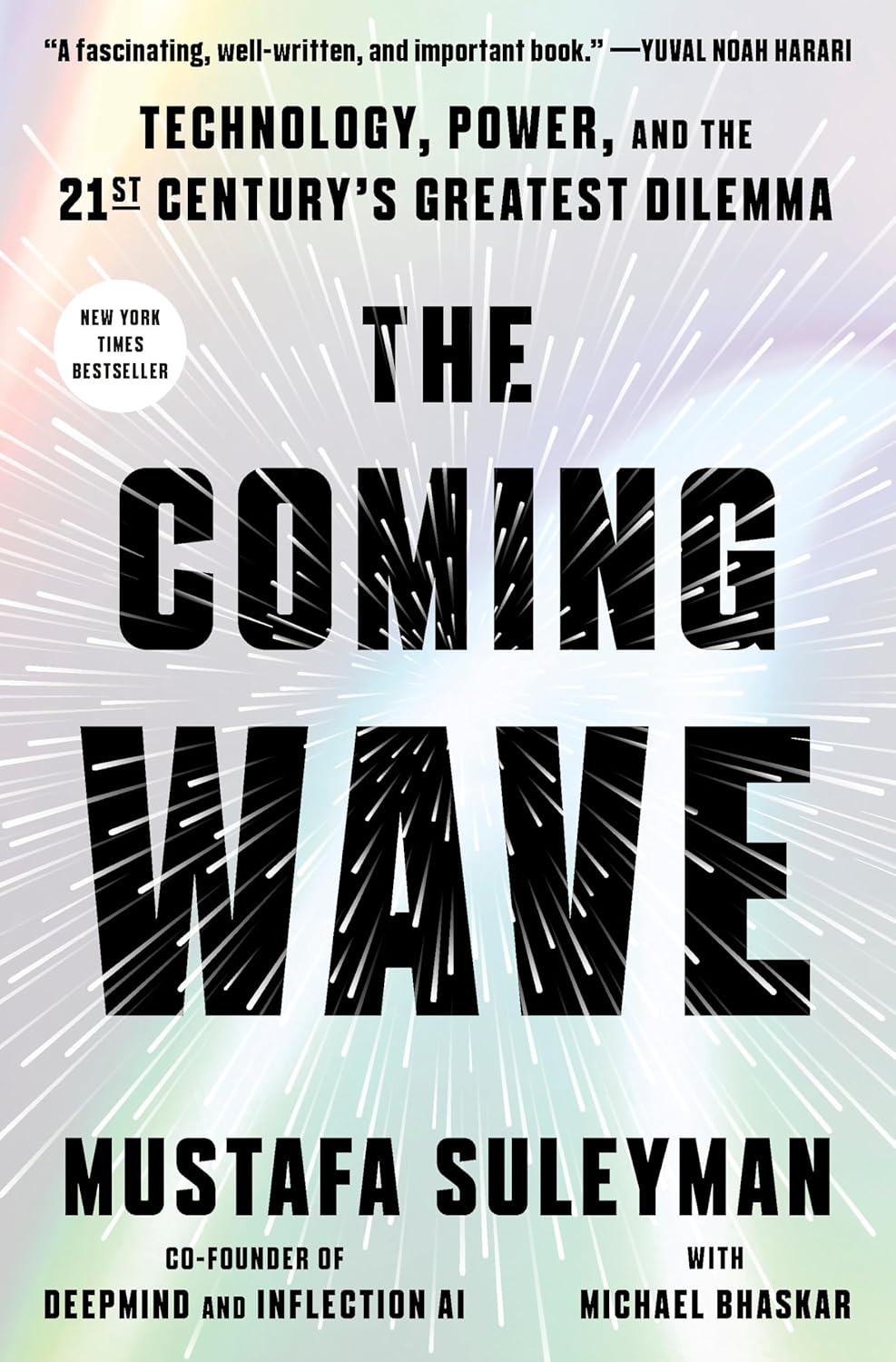
DeepMind co-founder on the dilemma of containing technologies that do not want to be contained.
As an Amazon Associate, Zendoric earns from qualifying purchases; the price does not change for you. · all our recommended books →
🔗 Related on Zendoric
- A $20M broker fee allegedly bypassed with a chatbot: the lawsuit that puts AI disintermediation in court · 2026-09-27
- It aces diagnostic exams but can't sign one: a medical AI CEO's warning about health chatbots · 2026-09-27
- When medical AI learns from the wrong organ: ovarian cancer study trained on thyroid images retracted · 2026-10-08