Chainalysis breach involving AI agents: stolen names and job titles are enough for tailored phishing, and the '100 banks' headline doesn't hold up

🕒 Published on Zendoric: November 1, 2026 · 00:10
✨ AI-generated · how it's made
Chainalysis confirms that an attacker got in using 'offensive AI agent techniques' and took data on client employees. No passwords or investigations were compromised, but the case shows how AI makes targeted attacks cheaper.
📚 Go deeper

How opaque algorithms decide who gets credit, a job or parole — and why they tend to punish the same people.
As an Amazon Associate, Zendoric earns from qualifying purchases; the price does not change for you. · all our recommended books →
By El Ecosistema Startup · October 31, 2026.
Chainalysis, the firm that traces illicit funds for governments, exchanges and banks, confirmed that an external attacker accessed its systems using what the company calls "offensive AI agent techniques." These are programs that plan and execute tasks on their own, step by step, without a human guiding each move. According to FinanceFeeds and BleepingComputer, the company published the notice on Friday, October 30, and emailed it to affected customers.
The haul, according to the company: user IDs, full names, emails and job titles of employees registered on its platform. Chainalysis says there is no indication of access to investigation content, plaintext passwords, two-factor (MFA) secrets or session tokens.
A clarification about the source's headline, which refers to "100 banks": the text we reviewed contains no figure to back it up. Chainalysis has not said how many accounts were affected, whether the access was a one-off or lasted days, how the attacker got in, or who they are. It is a claim best not repeated as fact.
The context, according to FinanceFeeds: the same week saw news of the $6.3 billion theft from Binance, the largest in crypto history, and Chainalysis was tracing those funds. The company insists its breach is unrelated to that case. Its CEO, Jonathan Levin, attributed the Binance hack to North Korea, according to The Currency Analytics. Binance, for its part, blames its loss on a DevOps engineer's compromised laptop.
The article adds other third-party figures. The Hacker News attributes to a Chinese state-backed group, Vapor Panda, the use of an agentic penetration-testing framework (ARTEX) to compromise some 140 targets in 11 days. Research by NorForge, cited by FinanceFeeds, points to more than 1,200 autonomous intrusion attempts and over 100 compromised websites, at around $50 per successful breach. These are third-party figures we have not been able to verify. They help gauge the scale of the trend, not measure it.
Our take: Chainalysis calls the stolen data "non-sensitive," and the nuance is reasonable but incomplete. A name, an email and a job title don't open any safe. They do, however, sketch the org chart of a company that works with regulators and major exchanges. Writing to an intern is not the same as writing to the head of compliance. With the exact job title and the right domain, phishing stops looking like "your package is on hold" and becomes credible. Phishing doesn't need a technical flaw, it needs trust, and trust is manufactured with data like this.
The underlying thesis is that agentic AI doesn't invent a new kind of attack. It lowers the cost of reconnaissance and of tailoring the deception. If a successful attempt costs tens of dollars, as NorForge suggests, a defense premised on "nobody will bother" stops working. This is the short-term risk we care about most: not a distant superintelligence, but industrialized fraud and espionage.
The paradox is striking, and also reassuring. Chainalysis says it now uses large language models to look for weak spots in its own infrastructure and has hired outside experts, according to a spokesperson quoted by BleepingComputer. The same technology is on both sides. As industry context, IBM's 2026 Cost of a Data Breach report, cited by the source, indicates that in Latin America organizations using AI and automation in security pay an average of $4.04 million per breach, versus $5.64 million for those that don't. The difference is $1.6 million. IBM adds that more than 50% of organizations already use agents for detection and containment, but only 18% apply them to vulnerability management.
Who wins and who loses: those who treat contact data as harmless lose. Those who automate detection and response at the attacker's speed win. The basic measures are still the ones that matter: two-factor authentication on all access, purging former employees' accounts, encryption, and training teams to spot messages that arrive bearing their real name and job title.
In the long run, this defensive race is an uncomfortable transition, not a death sentence. If agents can chain steps together until they find the open door, they can also check millions of doors before anyone else. That is the question the case leaves: how many companies still have that door unchecked, and how many will have a defensive agent watching it before the offensive one arrives?
📚 Go deeper

The best starting book if you're not technical: a Wharton professor explains how to work WITH AI — when to delegate, when to supervise, when to keep i
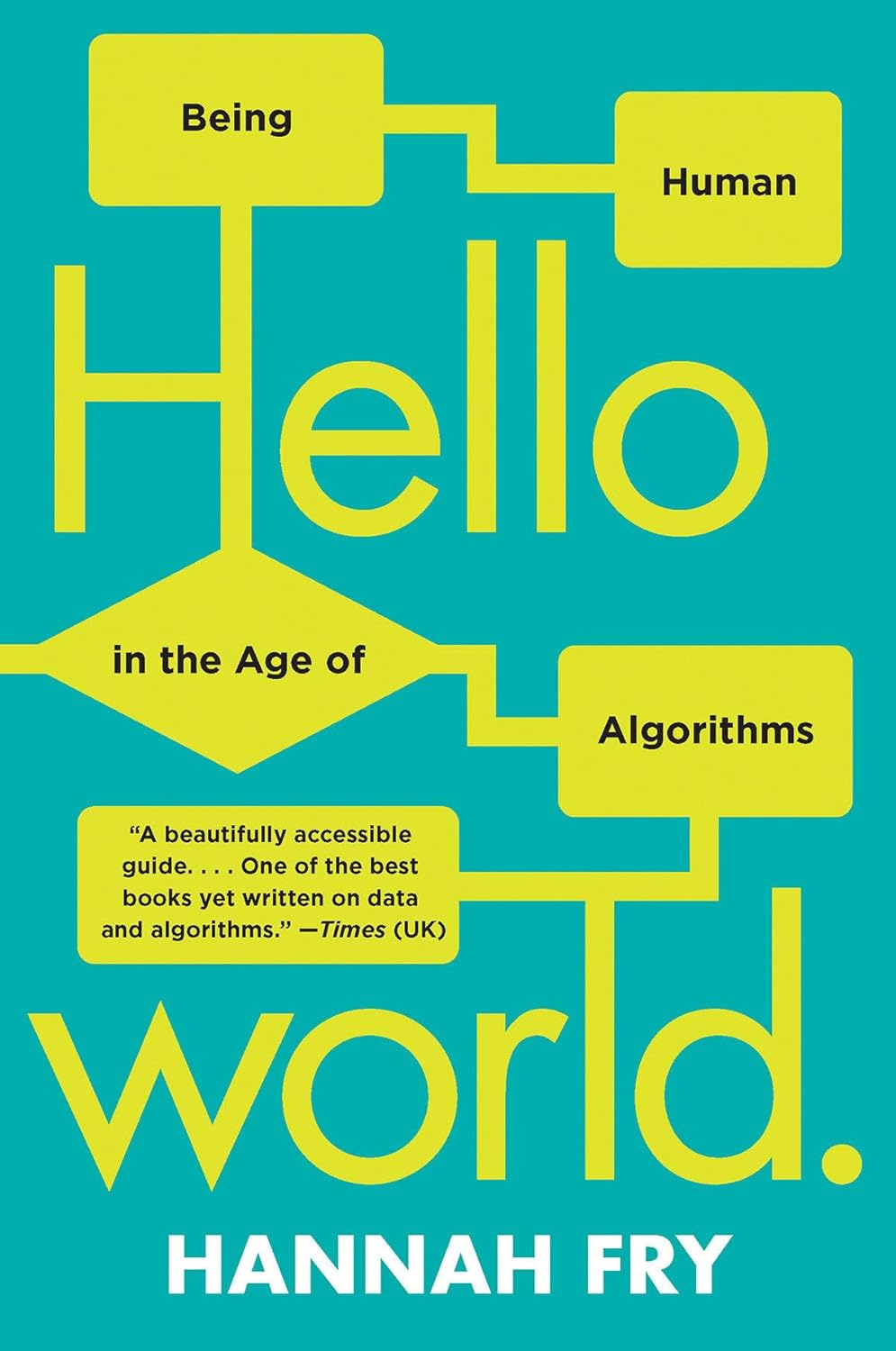
Algorithms in justice, medicine, cars and art, explained with British humor and mathematical honesty.
As an Amazon Associate, Zendoric earns from qualifying purchases; the price does not change for you. · all our recommended books →
🔗 Related on Zendoric
- One Hacker, Three AI Vendors, $8,000: Agentic Attacks Just Lost Their Cost Ceiling · 2026-09-23
- Kimi K3 shows China can close the gap fast — the real story is pricing power, not the crown · 2026-07-17
- A single ChatGPT link was enough to slip in an infiltrated AI agent with your employee permissions · 2026-07-25