Kimi K3 shows China can close the gap fast — the real story is pricing power, not the crown

🕒 Published on Zendoric: July 17, 2026 · 00:24
✨ AI-generated · how it's made
Moonshot AI's Kimi K3 vaulted into the global top tier, matching Western frontier models in coding and text benchmarks at 40% less cost, per Arena rankings. But the headline overshoots: the durable shift isn't who holds the crown — it's that "good enough, cheaper, and open" now erodes the pricing power the U.S. AI boom was built on.
📚 Go deeper
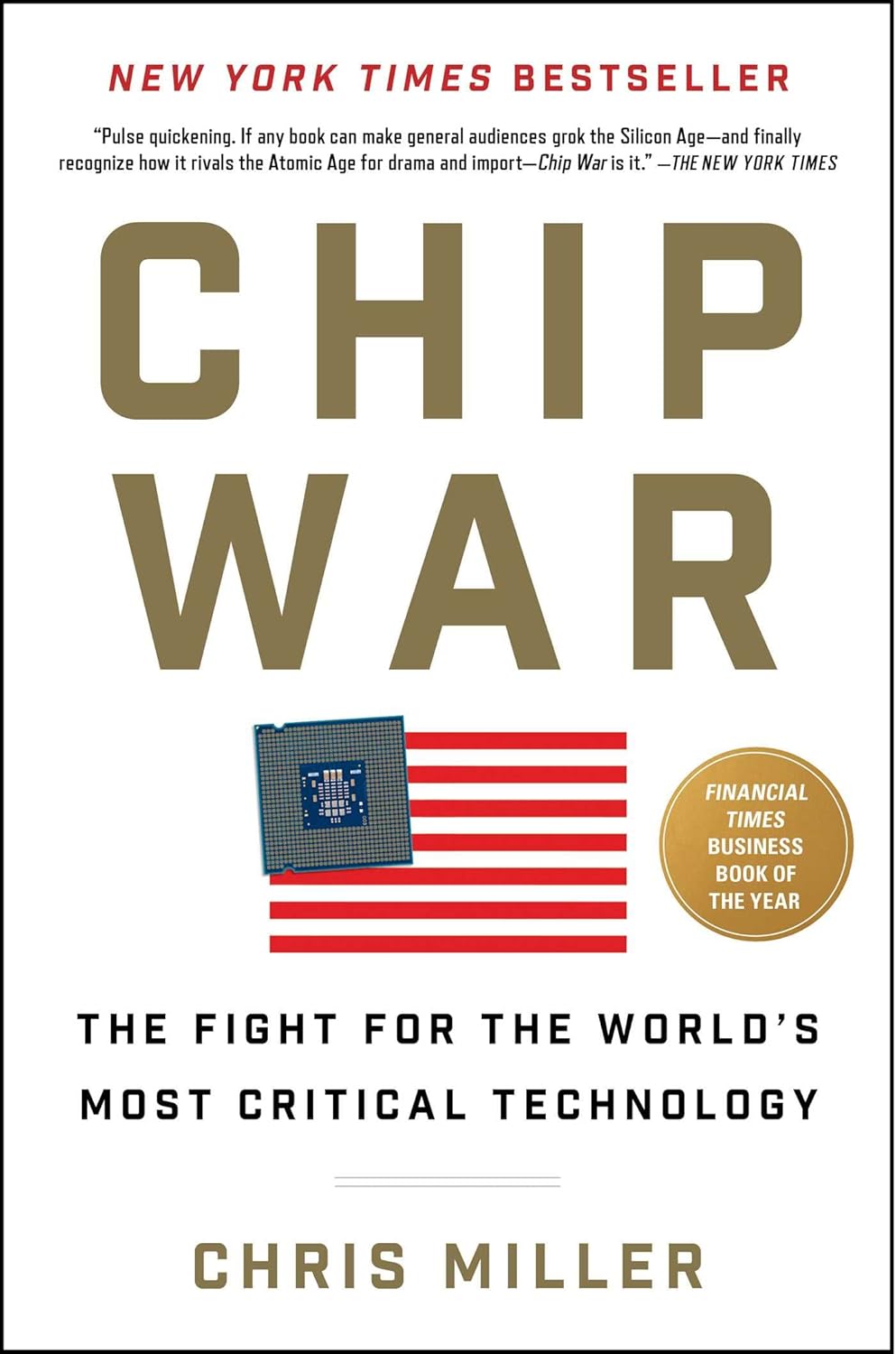
Semiconductors as the oil of the 21st century: history, espionage, and why an island of 23 million people underpins the entire AI economy.
As an Amazon Associate, Zendoric earns from qualifying purchases; the price does not change for you. · all our recommended books →
The facts, first. Moonshot AI, a Beijing-based lab, released Kimi K3 on Thursday, and according to AI evaluator Arena it beat Anthropic's Fable 5 and OpenAI's GPT-5.6 Sol in front-end coding tests, while finishing ahead of Anthropic's Opus 4.8 in the broader text ranking — at roughly 40% lower cost. Moonshot plans to publish it as an open-weight model on July 27, meaning companies and governments can customize and run it on their own hardware. As recently as April, the U.S. government's AI testing center estimated Chinese systems trailed the American frontier by about eight months. If Arena's numbers hold, that cushion has thinned far faster than Washington assumed.
A word on the framing, because it matters to us. "China just erased America's AI lead" is exactly the kind of headline we've learned to discount. Leaderboard wins — especially on Elo-style arenas that can reward style over substance — are not the same as a demonstrated, durable capability advantage across hard, unsaturated tasks. Anthropic's Fable 5 and OpenAI's frontier systems still lead our own composite reads on the toughest coding and cybersecurity work, and both labs are already building GPT-6 and Claude Opus 5 that could restore distance. So treat "erased the lead" as a snapshot and a marketing beat, not a verdict.
That said, the piece makes a sharper point that survives the skepticism: Kimi doesn't have to be the single best model to reshape the market. A system that performs near the frontier, costs 40% less, and can be run in-house is, for most companies and governments, the more attractive option. That is the pressure that actually threatens the economics of the U.S. AI boom — the pricing power of premium APIs, the valuations built on a presumed moat, and the case for spending hundreds of billions on ever-larger data centers. The competition is migrating from "whose model is smartest" to "whose model is smart enough at the right price and under my control."
The article also flags the uncomfortable subtext, and we relay it as attribution, not fact: Anthropic has accused Moonshot and other Chinese labs of industrial-scale "distillation," allegedly training on millions of exchanges with advanced U.S. models, and reporting points to smuggling networks for restricted Nvidia chips. If those claims are accurate, Kimi partly reflects American technology rather than fully independent progress — which complicates the triumphal narrative on both sides. We don't adjudicate the accusation; we note that the strategic conclusion barely changes either way.
Our reading: this is the open-weight thesis playing out in real time, and it's mostly good news wearing a scary headline. The democratizing force — cheaper, customizable, sovereign-friendly models — is precisely what pushes AI toward abundance: lower costs, less lock-in, more people and institutions able to build. The near-term friction is real, though. It squeezes the margins funding frontier research, and it hands policymakers a genuine dilemma the article names well — tighter safety rules could slow U.S. labs just as China accelerates, while looser oversight trades speed for risk. The honest long-term view is that the West may keep pushing the frontier forward, but it cannot stop the rest of the world from choosing a cheaper alternative. The winning move isn't to pretend the lead is untouchable; it's evidence-based governance plus genuine differentiation — because a world where near-frontier AI is abundant and affordable is the world we actually want, even if it's harder on the incumbents' balance sheets.
📚 Go deeper
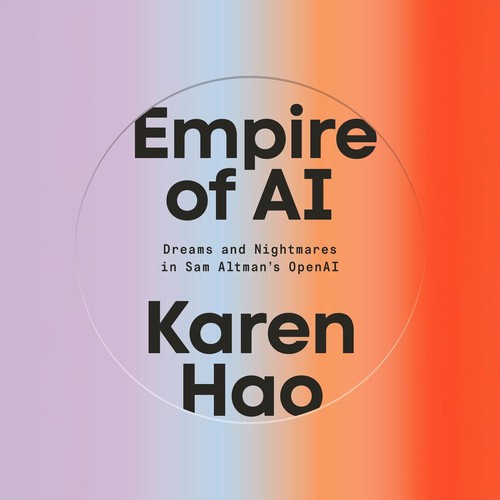
The definitive piece of investigative journalism on OpenAI: 260+ interviews, the clash between safety and speed, and the attempted firing of Sam Altma
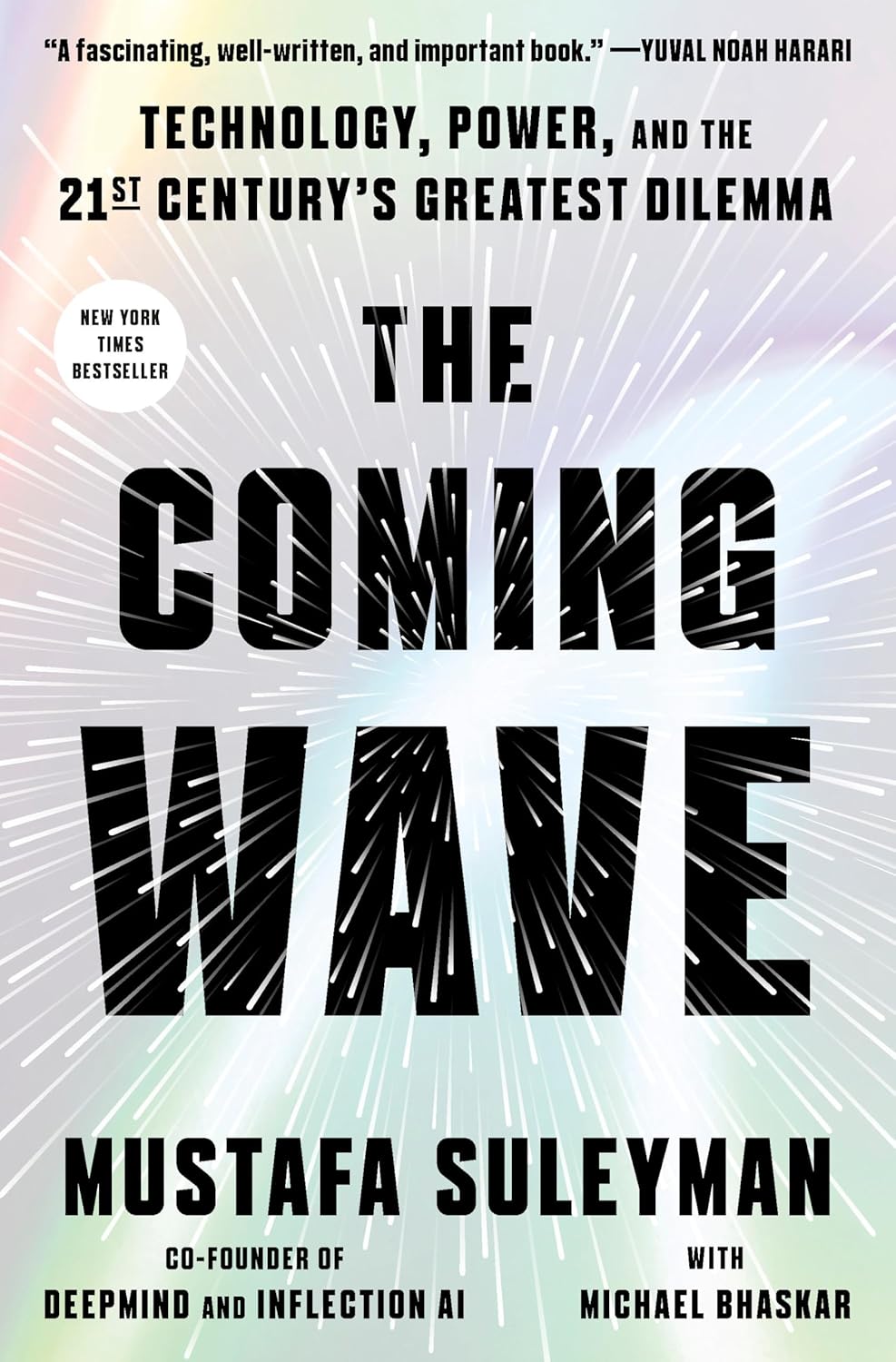
DeepMind co-founder on the dilemma of containing technologies that do not want to be contained.
As an Amazon Associate, Zendoric earns from qualifying purchases; the price does not change for you. · all our recommended books →
🔗 Related on Zendoric
- OpenAI cutting off Cursor turns model access into a revocable utility, not infrastructure · 2026-08-31
- In the AI race, China bets on winning from behind: 'good enough' and cheaper models · 2026-06-30
- Anthropic's $40B bill to Musk shows compute, not cleverness, is the real chokepoint in frontier AI · 2026-09-02