Chinese markets lose $2.4 trillion amid doubts over the AI boom and the race with the US

🕒 Published on Zendoric: October 29, 2026 · 00:15
✨ AI-generated · how it's made
According to The Guardian (reported by Amy Hawkins in Beijing), Chinese stock markets have lost trillions of dollars in recent months amid growing anxiety about the future of artificial intelligence, as Beijing competes with the United States for leadership in the sector.
📚 Go deeper
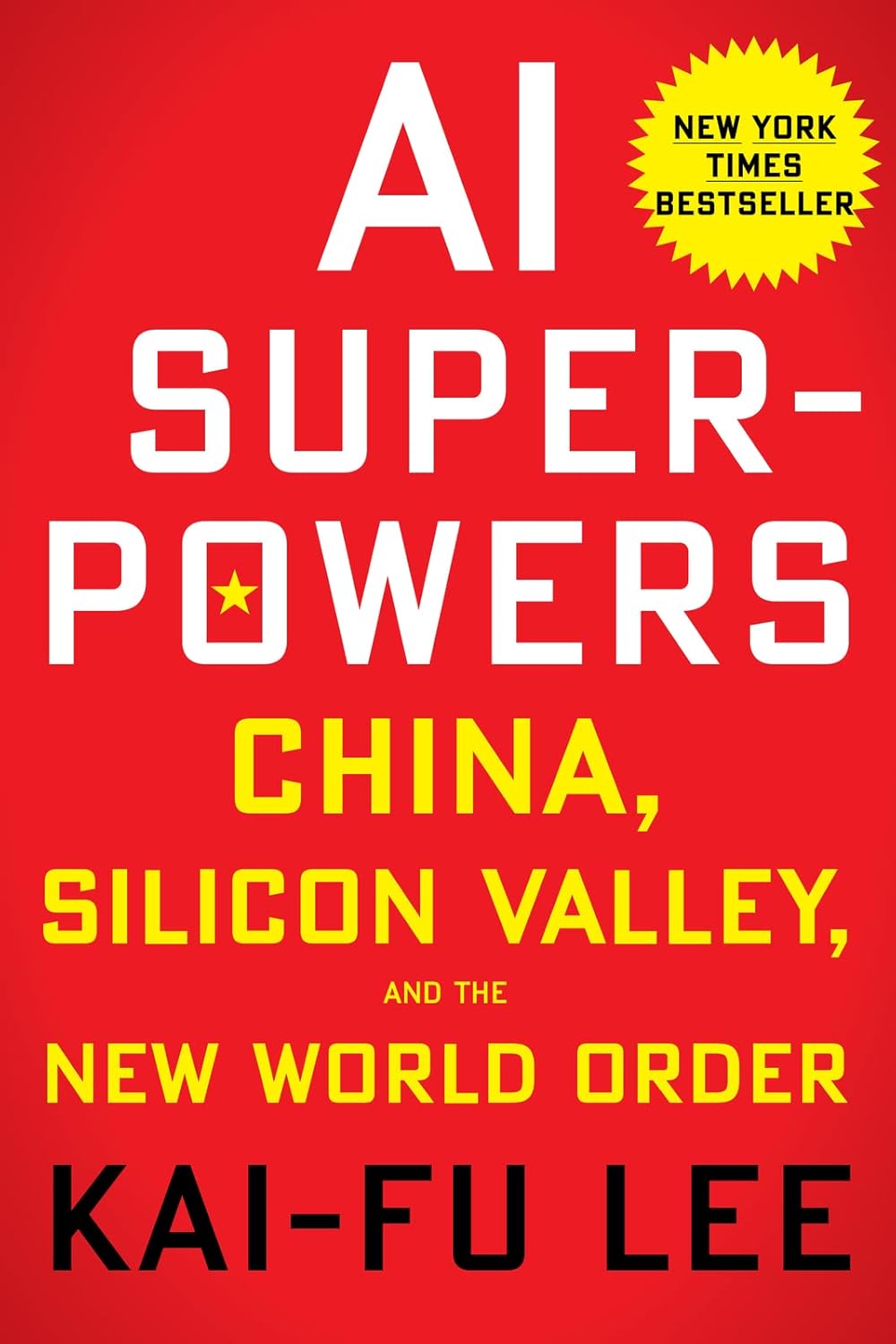
China vs.
As an Amazon Associate, Zendoric earns from qualifying purchases; the price does not change for you. · all our recommended books →
According to The Guardian (in a piece by Amy Hawkins in Beijing), Chinese stock markets have lost trillions of dollars in recent months amid growing anxiety about the future of artificial intelligence, as Beijing competes with the United States for leadership in the sector. The article is complete, not a paywall teaser, and this summary is limited to what it reports.
The key figures: the STAR 50 index, which tracks technology and innovation companies on the Shanghai stock exchange, has fallen 40% since June. Other indices of large companies have dropped by around 20% over the same period. According to Bloomberg, the slump has wiped $2.4 trillion off the Chinese market since May.
Exposure to AI makes the blow worse. According to Goldman Sachs, AI stocks account for more than 40% of market value in China and Hong Kong, so any deterioration in the sector spreads across the entire domestic market.
The article argues that the slump suggests that, despite the government's efforts to boost technology industries, and AI-based ones in particular, the national economy lacks the strength to sustain a booming market. The state has invested heavily, for example through a state-backed AI investment fund worth 60 billion yuan, which this month began channelling money to domestic developers. However, Chinese consumers remain reluctant to spend in many sectors, including technology, so many tech companies are struggling to turn a profit.
According to the article, the lack of profits is one of several reasons for the sell-off. Another is the threat that the West, especially the US, will expand bans on Chinese technology. The US has banned Chinese humanoid robots on national security grounds and is reportedly considering banning Chinese components in data centres. Because China relies heavily on exports, these restrictions hurt its companies, which already sell little in the domestic market.
Dan Wang, China director at Eurasia Group, sums up the mood: “This year the profit margin is not as good as expected. And the US is raising rates. And China's domestic demand is very weak.” She speaks of a “general anxiety” among tech companies about whether the state-driven model will work with consumption so weak.
Robotics, also known as embodied AI, is Beijing's big bet for spreading the technology throughout society. It is also seen as a response to the country's demographic problems, such as an ageing population and a shrinking workforce. But demand comes from public bodies and research institutions, not consumers, for whom the products remain expensive and impractical for the home. Humanoid robots and robot dogs have been successful in entertainment but are not yet useful at home. Shares in Unitree, China's leading robot maker, have halved since it began trading in August. Wang says: “It doesn't seem that embodied intelligence can be turned into profits in the mass market.”
The government wants local investors to keep their money in the country. In recent months it has restricted overseas investment, with more rules taking effect on 1 December, but these measures have not brought more investment into Chinese markets.
There are nuances. According to Wang, there is still optimism in other tech sectors, such as AI research and satellites. In the case of satellites, their links to the military point to lasting state support. Globally, the AI boom is expected to continue for at least another year. On Monday, the US company Anthropic, maker of the Claude chatbot, filed the paperwork ahead of an IPO that could be the largest stock market debut in history, through which it is expected to raise up to $100 billion. China has no IPO of that calibre on the horizon.
Despite pressure to approve stimulus to boost investment, none is expected during a politically sensitive period. This week the Communist Party leadership is meeting for the fifth plenum, which will prepare for next year's 21st Party Congress, where Xi Jinping is expected to be anointed for a fourth term. According to the article, there is no appetite for risky or potentially destabilising measures ahead of that event, even if they could give the economy a boost. Wang described any stimulus as “high risk”: “What if it doesn't work out? Then whoever came up with that policy will be held responsible.”
Overall, the article portrays a Chinese AI market weighed down by thin margins, weak consumption, rising US rates, Western technology restrictions and an economic policy made cautious by the political calendar. The figures and opinions come from the article itself and the sources it cites (Bloomberg, Goldman Sachs and Eurasia Group).
📚 Go deeper

Semiconductors as the oil of the 21st century: history, espionage, and why an island of 23 million people underpins the entire AI economy.

The best starting book if you're not technical: a Wharton professor explains how to work WITH AI — when to delegate, when to supervise, when to keep i
As an Amazon Associate, Zendoric earns from qualifying purchases; the price does not change for you. · all our recommended books →
🔗 Related on Zendoric