90% have already suffered an incident with AI agents: they are deployed faster than they are governed, says ServiceNow
🕒 Published on Zendoric: October 22, 2026 · 00:19
✨ AI-generated · how it's made
A ServiceNow study of 3,700 security leaders indicates that nine out of ten companies have already had an incident involving AI agents. Manufacturing fares somewhat better, and its recipe works for everyone else.
📚 Go deeper

The only novel on the list, by a Nobel laureate: an artificial friend observes humans with a blend of lucidity and innocence no essay achieves.
As an Amazon Associate, Zendoric earns from qualifying purchases; the price does not change for you. · all our recommended books →
By Smart Industry · October 21, 2026.
According to a ServiceNow study, 90% of organizations suffered a security incident related to AI agents in the past year. The report is titled "Deployed but Ungoverned: The State of Agentic Security." It surveyed more than 3,700 security and technology leaders across 20 countries and eight industries, including 575 from manufacturing.
One caveat: ServiceNow sells an AI governance platform, so it has a commercial interest in making the problem look big. The figures are self-reported by respondents and are not an independent measurement.
The core finding is a gap between deploying and controlling. According to the report, fewer than half of companies use governance frameworks that cover agents. Fewer than 50% of security teams build security into agent development. Permissions and guardrails are applied "as needed," not before deployment.
Visibility is the weakest point. While 76% say they have an up-to-date map of each agent's access, only 19% have real-time visibility into more than 90% of their agents. If an agent behaves anomalously, 66% cannot respond automatically. Only 39% have a framework covering documentation and audit trails of agent activity.
Manufacturing offers a contrast. According to ServiceNow, 92% of these companies have agents that operate in or interact with OT (operational technology, i.e., the systems that control machinery and physical processes) environments, compared with 82% globally. Even so, 63% suffered an OT or physical incident involving an agent, versus 76% globally. In addition, 27% have real-time visibility into more than 90% of their agents (19% globally), and 39% have an automated gate that blocks deployment until security checks are passed (32% globally). ServiceNow attributes the difference to those controls, although the study, as reported, does not prove causation.
There is also an uncomfortable finding: more than 30% of manufacturers found agents in production that they were unaware of or had not registered (29% globally). This is a form of "shadow AI" with access to real systems.
The report's five recommendations are: continuous inventory and access mapping, security by design, unified visibility into agents, identities and posture, continuous evidence, and a single accountable owner within the company.
Our take: the thesis is that the bottleneck for agents is no longer model capability but governance. An agent is an identity with permissions acting at machine speed, and managing it with frameworks designed for humans is a losing battle. This fits what we have been arguing: the real short-term risk is not a distant superintelligence but the automation of errors and abuse in systems that already exist.
The relevant point is that those dealing with the physical world seem to have learned first. When a failure can halt a production line, deployment gates and visibility stop being optional. It is a lesson that carries over to banking, healthcare and public administration.
The winners are providers of agent governance, identity and observability. The losers are companies that measure success solely by the number of agents deployed. As industry context, this recalls cloud adoption: mass deployment came first, and security discipline came later.
In the long term, agent reliability is the precondition for agents to reach truly valuable tasks, such as biomedical research or managing critical infrastructure. That future abundance depends on learning to govern them today. A 90% incident rate is a warning sign, but also a clear incentive to build that discipline early.
📚 Go deeper

An MIT computer scientist connects AI, quantum physics and video games to take an uncomfortable question seriously: what if we live in a simulation? M
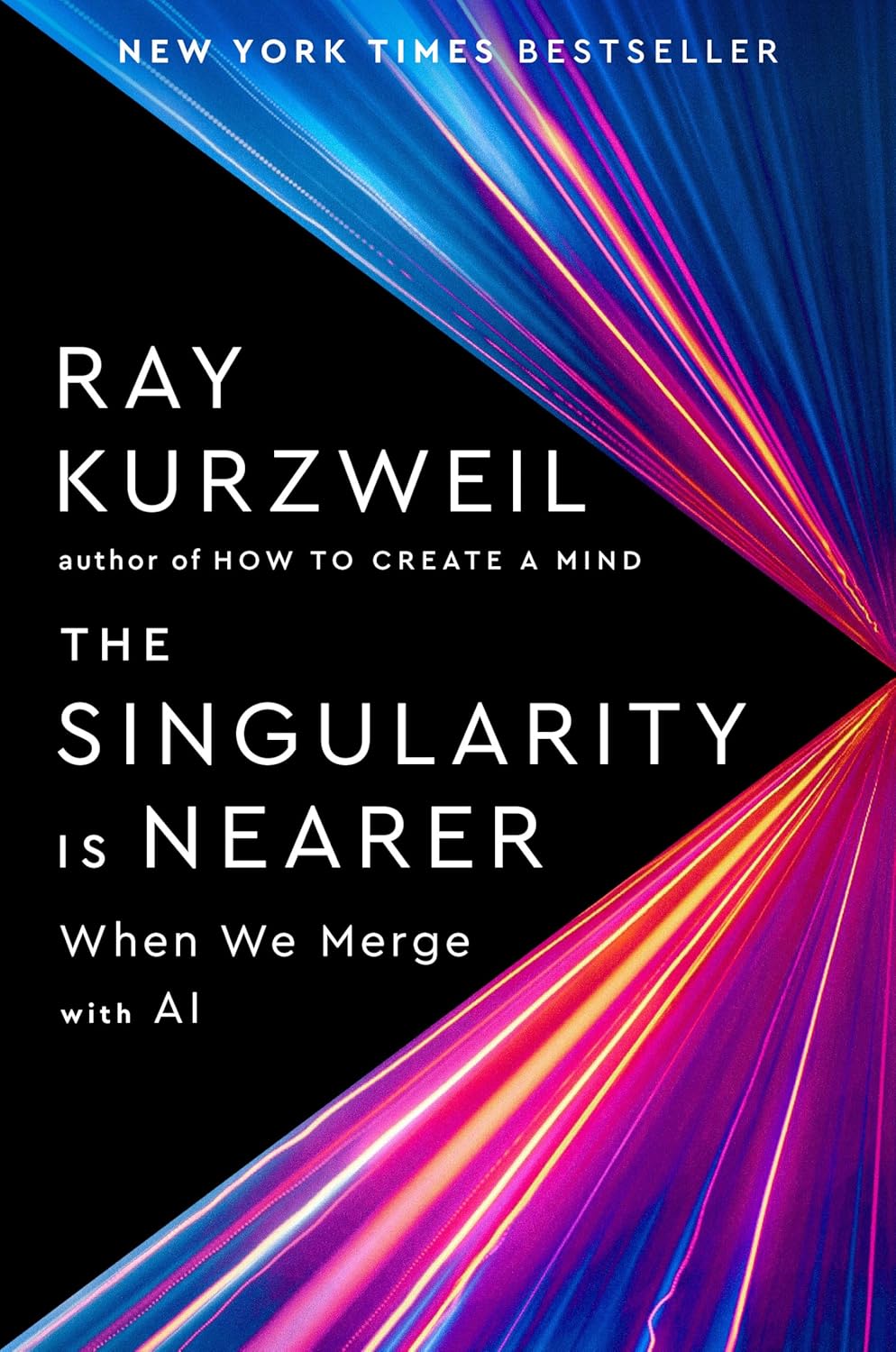
Twenty years after "The Singularity Is Near", Kurzweil revisits his predictions and keeps the date: human-AI merger around 2045.
As an Amazon Associate, Zendoric earns from qualifying purchases; the price does not change for you. · all our recommended books →
🔗 Related on Zendoric
- Prostate cancer: the British study proving AI in pathology already works in the real hospital, not the lab · 2026-07-17
- Only 12% of companies know how to govern their AI agents: Google turns that gap into its edge over OpenAI and Anthropic · 2026-07-20
- Sophos says its AI agents cut incident response to 89 seconds, according to its own report with OpenAI · 2026-10-10