UN warns AI is displacing human decision-making in war: the challenge is setting limits before the pace renders them useless

🕒 Published on Zendoric: October 21, 2026 · 00:18
✨ AI-generated · how it's made
UNIDIR director Robin Geiss warns that AI is already on the battlefield and that human judgment is shrinking, including in the nuclear domain. He proposes building common rules, though geopolitics complicates the path.
📚 Go deeper

The definitive piece of investigative journalism on OpenAI: 260+ interviews, the clash between safety and speed, and the attempted firing of Sam Altma
As an Amazon Associate, Zendoric earns from qualifying purchases; the price does not change for you. · all our recommended books →
By Mirage News (with material from UN News) · October 21, 2026.
Artificial intelligence is already in widespread use on the battlefield, and the role of human judgment in military operations is shrinking fast. That was the warning from Robin Geiss, director of the United Nations Institute for Disarmament Research (UNIDIR), at a press conference at UN headquarters in New York. His question was blunt: “Are we going to let machines target and kill human beings?” According to Geiss, AI is on track to “displace human decision-making” in the sector.
As UN News reports, AI is taking on more and more military tasks: intelligence analysis, target identification, drone operation and the orchestration of cyberattacks. Geiss stressed that this is happening at the expense of human judgment, including in the nuclear domain.
The immediate effect is pace. According to Geiss, AI shortens the time between identifying a target and striking it, and allows armed forces to strike an unprecedented number of targets each day. Many of these systems, he added, are opaque (it is hard to explain why they recommend what they recommend). In his view, that raises the risk of error, of miscalculation and, therefore, of unintended escalation. Moreover, as the tools become easier to use, it will be simpler for non-state actors to carry out sophisticated military operations.
Geiss acknowledged that competition and geopolitical tensions are “serious obstacles” to regulation. But he noted that concern about the risks is increasingly shared regardless of political orientation, even among the major powers. As an example, he cited the United States' proposal to China in September for an AI “notification mechanism,” so that the world's two largest military spenders would alert each other to AI incidents that could threaten their national security. He also said that the UN Secretary-General's calls to regulate military AI and to sign a legally binding treaty on lethal autonomous weapons are finding “increasing resonance.”
On Thursday, UNIDIR's Centre of Excellence on AI, Peace and Security will launch a multi-stakeholder forum on AI in international peace and security and in the military domain. According to Geiss, it is the first and only one of its kind within the UN system. It will work on three fronts:
1. A responsible conduct framework for industry, with voluntary, practical guidelines for companies that design and develop military AI tools. 2. An “AI security lexicon” to clarify concepts such as autonomy, safety and security, which different actors currently use in very different ways, creating ambiguity and hindering trust. 3. The risk that non-state armed groups will use AI to plan, execute and logistically support their operations.
**Our take.** The thesis that deserves attention is not “robots will kill,” but something more prosaic: speed. When a system proposes targets in seconds and the decision cycle is compressed, the human who “approves” risks becoming a formality. It is the same problem we see in software agent security: click-to-approve is not control. Human control that has neither the time nor the information to disagree is nominal control.
That is why the most useful part of the announcement is, paradoxically, the most boring one: the common lexicon. As long as “autonomy” means different things to Washington, Beijing or a defense startup, any treaty will be born hollow. Defining first and regulating later is slow, but it is the right order. Voluntary guidelines for industry, by contrast, have an obvious limit: they are voluntary, and competitive pressure tends to beat good will.
In general, communication mechanisms between rivals (such as the incident-notification one Geiss mentions) have historically worked better than grand treaties when there is mistrust: they don't require anyone to disarm, only to give notice. If that path succeeds, it would be a sign that the risk is perceived as shared.
From our position of qualified optimism: in the short term, the military AI race is one of the most serious and least reversible risks, and it should be said without euphemism. In the long term, the same technology that today speeds up target selection could help prevent conflicts, verify agreements and reduce errors. But that future depends on governance decisions being made now, based on evidence rather than panic: a clear red line on lethal decisions, traceability of systems, and rules that also apply to those without an army behind them.
A final caveat: what we know comes from statements by a UN official, not from public data on specific deployments. The claims about the real extent of AI in the nuclear domain or about the number of targets struck are his, and should be read as such until there is independent evidence.
📚 Go deeper

DeepMind co-founder on the dilemma of containing technologies that do not want to be contained.
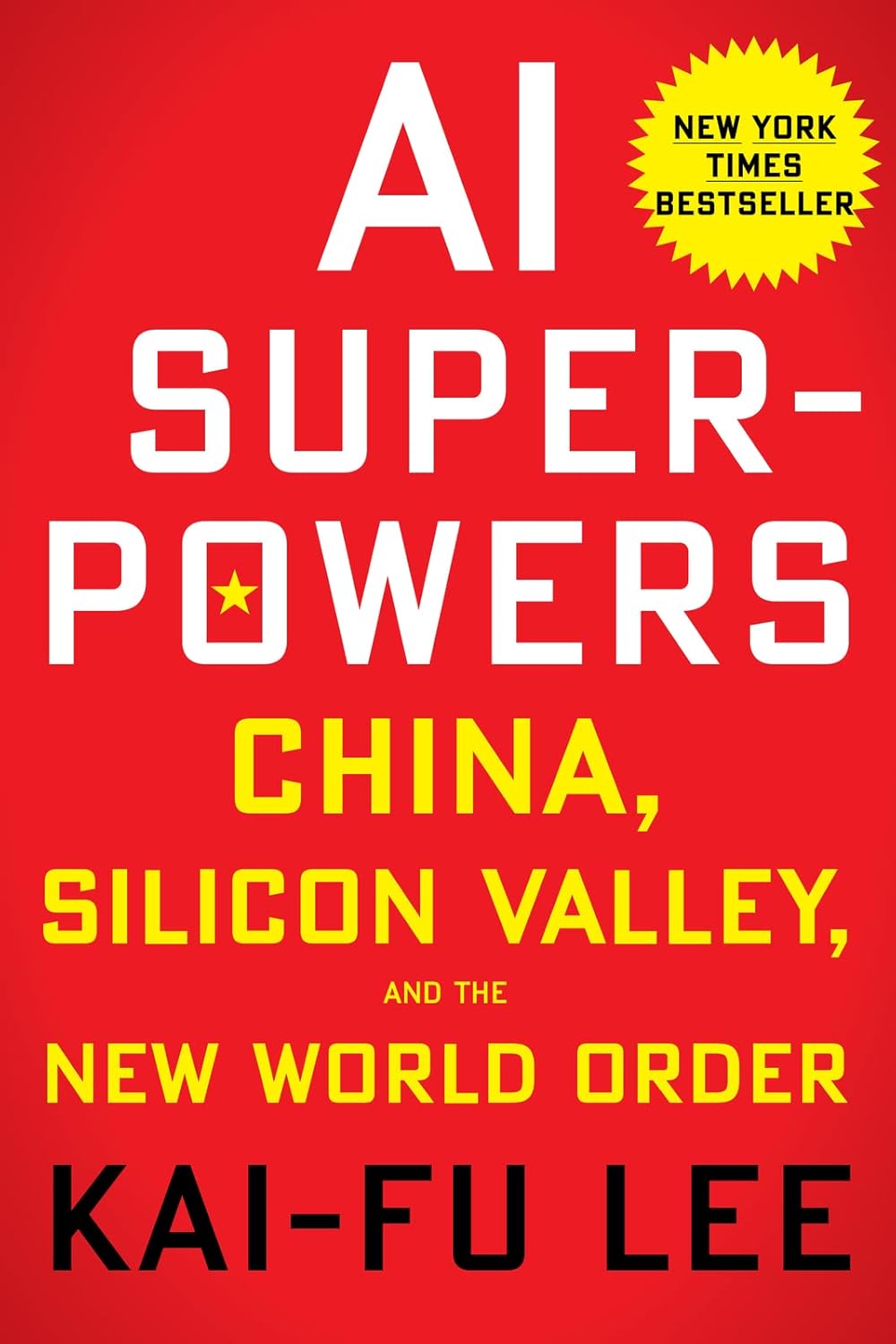
China vs.
As an Amazon Associate, Zendoric earns from qualifying purchases; the price does not change for you. · all our recommended books →
🔗 Related on Zendoric
- Machine warfare is coming, and the problem is no longer the weapons but the processes that govern them · 2026-10-21
- When rivals share the same fear: why the U.S. and China need common rules for AI · 2026-06-26
- Guterres warns that AI is advancing faster than the rules and calls for a global pact to protect children · 2026-07-07