Guterres warns that AI is advancing faster than the rules and calls for a global pact to protect children

🕒 Published on Zendoric: July 7, 2026 · 03:25
✨ AI-generated · how it's made
UN Secretary-General António Guterres opened the first government-level Global Dialogue on AI Governance in Geneva with a stark warning: artificial intelligence is being deployed faster than anyone—not even those building it—can keep up with.
📚 Go deeper
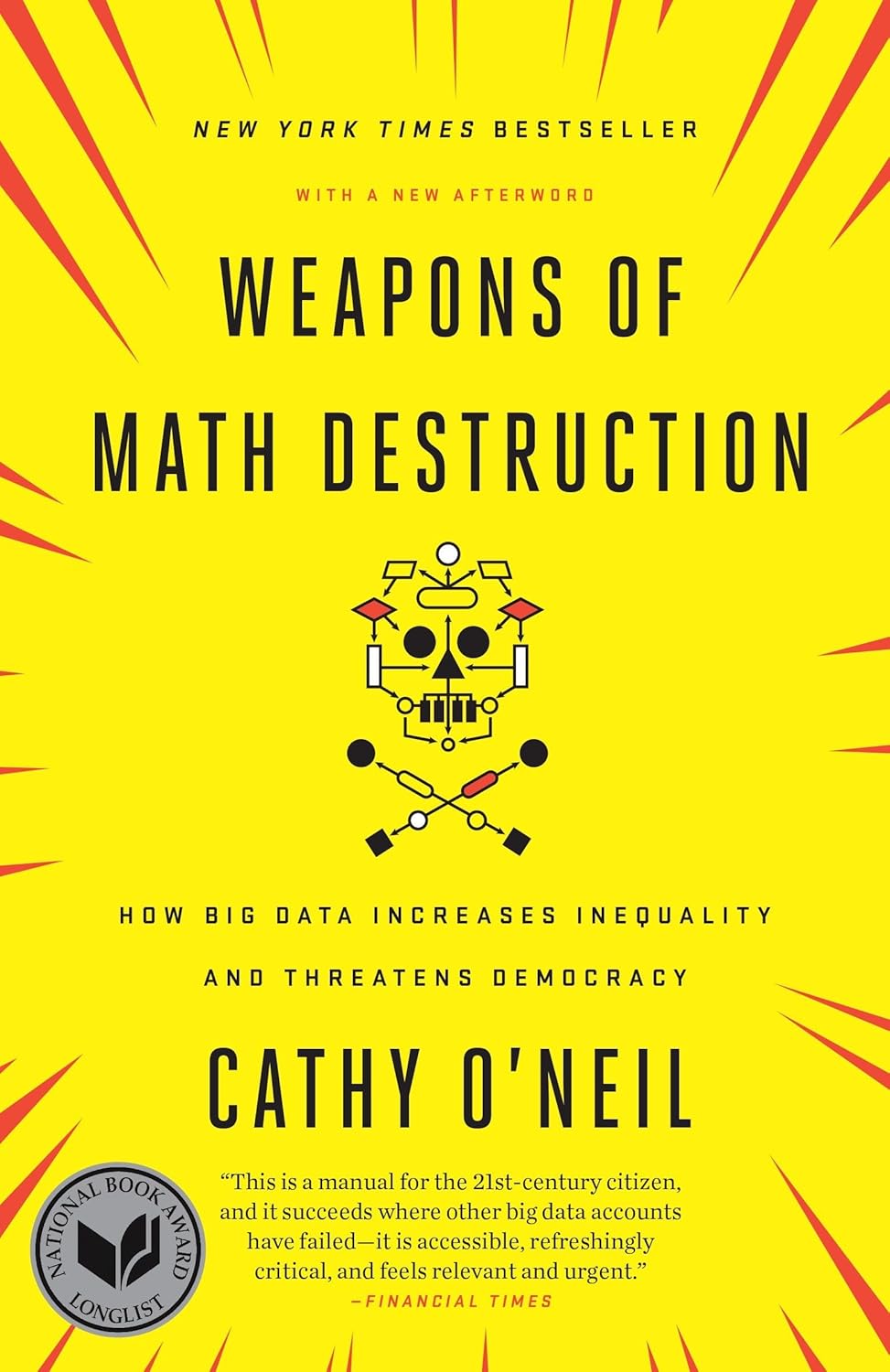
How opaque algorithms decide who gets credit, a job or parole — and why they tend to punish the same people.
As an Amazon Associate, Zendoric earns from qualifying purchases; the price does not change for you. · all our recommended books →
UN Secretary-General António Guterres opened the first governmental-level Global Dialogue on AI Governance in Geneva with a stark warning: artificial intelligence is being deployed faster than anyone—even those who build it—can keep up with. According to Guterres, a technology capable of reshaping economies, transforming employment, influencing elections and altering security balances is advancing without the necessary safeguards. His central message was clear: "if AI is going to be powerful, it must be governed."
The two-day meeting is not intended to draft a binding treaty, but to lay the groundwork for discussing how to mitigate AI's risks and seize its opportunities. Delegates will review a report prepared by an independent scientific panel of 40 experts backed by the UN, which constitutes the first global, independent scientific assessment of artificial intelligence. A more comprehensive report is expected next year, along with a second global meeting in New York.
One of the most prominent themes of Guterres's speech was child protection. The leader denounced that AI has reached children's learning, friendships and most intimate questions before anyone asked what effect it would have on them, in contrast with the rigorous testing required of medicines or toys. He cited cases of minors induced into self-harm and deceived by machines posing as friends. To address this problem, he proposed an "AI Child Safety Pledge," which would require companies to demonstrate that their systems are safe before making them accessible to minors. He also suggested that systems should not be able to generate sexual images of children and that, when detecting signs of distress in a minor, AI should stop and connect them with human help.
Guterres also warned about the world's lack of institutional preparedness in the face of machines that make decisions with scarce human or governmental oversight, underscoring the unprecedented speed of adoption: while the internet took 15 years to reach one billion people, AI achieved it in just two.
Another critical point was the concentration of technological power in a few companies and countries, which leaves developing nations with little voice in the direction of AI and at risk of being left behind. The independent scientific report confirmed this disparity: the United States concentrates 75% of the computing capacity among the world's 500 most important AI supercomputers, and China 15%. Although more than one billion people use conversational AI weekly worldwide, adoption in developing countries remains behind.
Despite these risks, Guterres offered an optimistic vision: if used well, AI could compress decades of development into years, becoming "the great equalizer of the 21st century." Along these lines, the head of Libya's Presidential Council, Mohamed al-Menfi, called for closing the AI gap in Africa, a continent that represents 10% of the world's population but has less than 2% of global data centers, insisting that AI cannot be considered a legitimate resource if African countries cannot take advantage of it, and demanding greater African participation in designing global rules.
Georgian President Mikheil Kavelashvili added that world leaders share the responsibility of creating robust international laws to prevent the power of AI from becoming an instrument of totalitarian control or a new form of digital tyranny.
Taken together, the article portrays a turning point in global AI governance: for the first time at the governmental level, the UN is attempting to articulate a common framework in the face of a technology that already operates on a planetary scale without harmonized rules, with particular emphasis on protecting the most vulnerable—children—and on preventing the technological gap between rich and poor countries from deepening even further.
📚 Go deeper

Algorithms in justice, medicine, cars and art, explained with British humor and mathematical honesty.
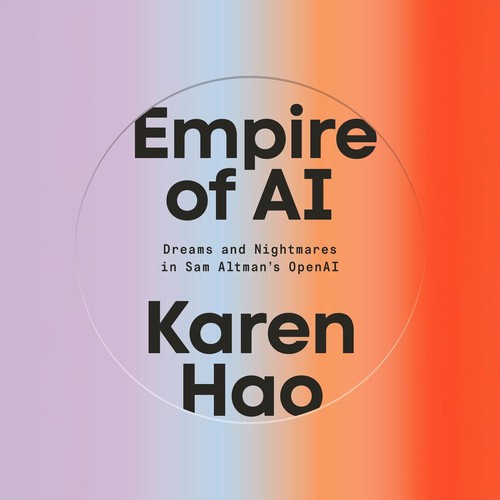
The definitive piece of investigative journalism on OpenAI: 260+ interviews, the clash between safety and speed, and the attempted firing of Sam Altma
As an Amazon Associate, Zendoric earns from qualifying purchases; the price does not change for you. · all our recommended books →
🔗 Related on Zendoric
- Rock Hill puts its house in order before the school year: why revising AI policy is now a matter of school governance · 2026-06-24
- Sheinbaum proposes a census to regulate AI and social media around children, but without a roadmap · 2026-07-21
- Bessent warns the U.S. could sanction China over 'theft' of AI models through distillation · 2026-07-23