AI in oncology: from ctDNA to clinical trials, the challenge is no longer detection but validation and equitable distribution
🕒 Published on Zendoric: October 20, 2026 · 00:19
✨ AI-generated · how it's made
A conversation with Dr. Douglas Flora covers multi-cancer detection, circulating tumor DNA and AI-driven drug discovery. What stands out is the emphasis on clinical validation, equitable access and human oversight.
📚 Go deeper

AI as the latest chapter in the history of information networks, from gossip to the printing press to the algorithm.
As an Amazon Associate, Zendoric earns from qualifying purchases; the price does not change for you. · all our recommended books →
By OncoDaily · October 19, 2026.
Alicia Fong, a researcher at OncoDerm Research at Mount Sinai Health System and a Hematology/Oncology scribe at NewYork-Presbyterian, has shared on LinkedIn a summary of a MedNews Week episode. In it, Dr. Douglas Flora explains how artificial intelligence could advance oncology.
According to Fong's summary, the conversation covers several fronts: recognizing tumor-related signals in blood, matching patients with clinical trials and supporting clinical decision-making. It also discusses multi-cancer detection (tests that look for several tumor types from a single sample), circulating tumor DNA or ctDNA (DNA fragments that tumors release into the blood) and AI-assisted drug discovery.
What Fong does emphasize is the framework: clinical validation, equitable access and human oversight. The original material is a post with a carousel of key ideas and a video on OncoDaily TV. It includes no figures, studies or concrete results, so we cannot assess the performance of any tool based on this text.
**Our take.** That absence of data is, in itself, the message. Overall, AI in oncology no longer has an imagination problem but an evidence problem: a test that detects signals in blood is only worth what it proves in prospective studies, with measured false positives and real clinical benefit for the patient. Anyone who confuses “detects something” with “saves lives” is making the field's usual mistake.
Three of the uses cited strike us as the most promising in the near term because they don't require a revolution. Matching patients with trials is a search-and-ranking problem over data that already exists, and today many eligible patients never make it into a trial. Clinical decision support works as a second opinion, as long as the physician remains the one who decides. ctDNA and multi-cancer detection are more delicate: the value lies in the patient's time series and the quality of their medical history, not just in the algorithm.
The mention of equity matters more than it seems. If these technologies reach well-resourced hospitals first, the gap in cancer survival will widen in the short term. That is the real risk of the transition: capital and data become concentrated, while access could be democratized if the cost of inference keeps falling.
In the long run, the underlying thesis holds: earlier diagnosis, better-targeted treatments and faster drug discovery point toward a world in which many cancers are chronic or curable diseases. But that horizon is built with well-designed trials and evidence-based regulation, not with carousel enthusiasm.
📚 Go deeper

DeepMind co-founder on the dilemma of containing technologies that do not want to be contained.
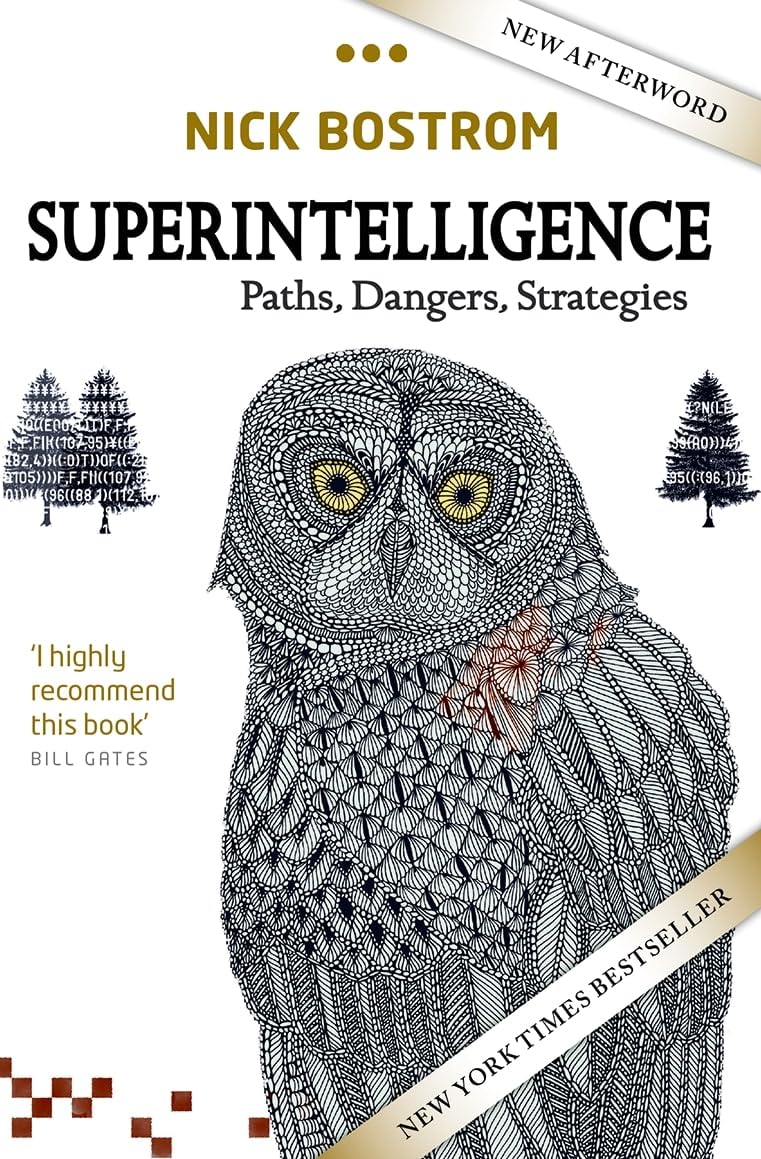
The book that started the existential-risk debate and that half the industry still cites.
As an Amazon Associate, Zendoric earns from qualifying purchases; the price does not change for you. · all our recommended books →
🔗 Related on Zendoric
- UCLA Health bets on AI for cancer detection: another sign that precision medicine is no longer just a promise · 2026-06-26
- Tempus pays 1.5 billion for Personalis: AI cancer diagnostics enters its consolidation phase · 2026-07-23
- A facial photo to predict cancer survival: FAHR-Face brings the facial biomarker to oncology, with caveats · 2026-10-20