Scimplify raises $25M to use AI to reduce dependence on China for critical materials

🕒 Published on Zendoric: October 16, 2026 · 00:09
✨ AI-generated · how it's made
Bengaluru-based Indian startup Scimplify has closed a $25 million round to expand its AI-backed production model for specialty chemicals and critical materials.
📚 Go deeper
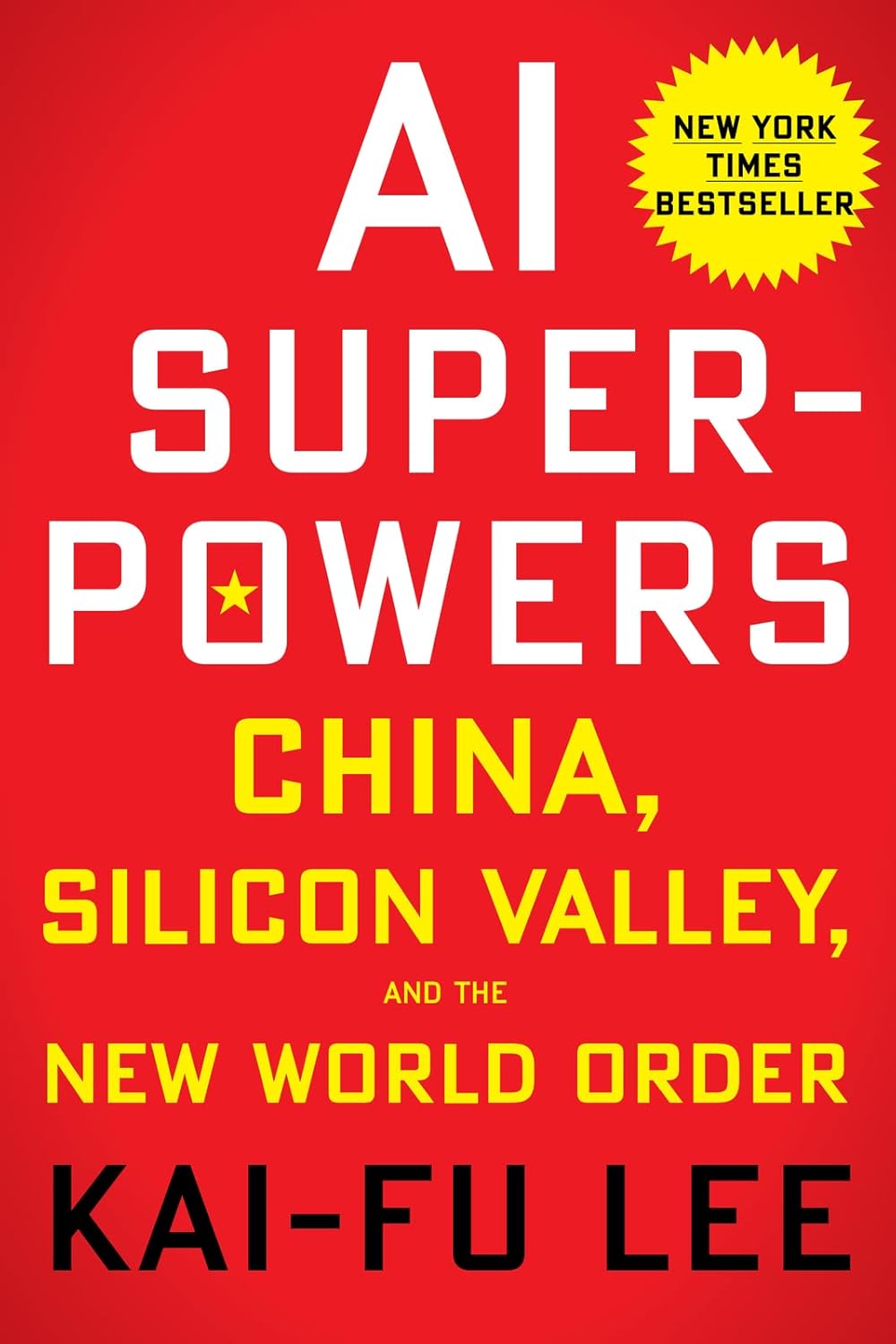
China vs.
As an Amazon Associate, Zendoric earns from qualifying purchases; the price does not change for you. · all our recommended books →
Indian startup Scimplify, based in Bengaluru, has closed a $25 million round to expand its AI-powered model for producing specialty chemicals and critical materials. According to TechCrunch, the semiconductor, defense and energy sectors are its fastest-growing markets. The all-equity, strategic round is led by Hitachi Ventures. Customers Henkel and Teknor Apex join as new investors, with participation from existing investors Accel India, Bertelsmann India Investments, Omnivore and 3one4 Capital.
According to a person familiar with the deal, the post-money valuation is $250 million, up from $150 million after its $40 million Series B in March 2025. The company itself declined to disclose its valuation. With this round, total equity funding reaches $80 million.
The problem Scimplify aims to solve is that AI and advanced computational tools have accelerated materials discovery, but taking a promising chemistry to a commercial product at scale remains slow and complex. Manufacturers must develop production processes, qualify facilities and meet demanding quality standards, all with supply chains limited to a handful of countries. According to co-founder Sachin Santhosh, in some cases the company, founded in 2023, has gone from receiving customer requirements to delivering finished material in two months, compared with the usual 12-18 months. He notes that timelines vary by project and cites a project with TDK as an example.
Here is how it works. When it receives an order, Scimplify develops the chemical manufacturing processes at its research centers in Bengaluru and Hyderabad and then transfers them to partner factories for commercial production. Its proprietary AI platform, Scinode, helps coordinate the work: it identifies suitable production routes and facilities and tracks regulatory and quality requirements. It uses AI agents specialized in research, manufacturing and quality control. Santhosh explains that each agent works "backwards" from what the customer needs, which makes it possible to move faster and remember the customer's context in future engagements.
An in-house team of scientists and engineers oversees production across a network of more than 500 manufacturing facilities. The company helps its customers build alternative sources for materials whose supply is concentrated in China and a few other countries. About 90% of its manufacturing is currently done in India, but it plans to extend the network to the United States and Japan over the next year.
The business figures provided by Santhosh, not independently verified, are as follows: • Its annualized revenue run rate is around $200 million, triple that of a year earlier. The target for next year is $400 million. • In the US, the run rate has grown sixfold, from $10 million to about $60 million. That market accounts for roughly 30% of the business. • Customers outside India contribute more than half of revenue, compared with less than 5% about 18 months ago. • It serves more than 1,000 customers and has delivered products to more than 40 countries. • It has been EBITDA-profitable for two months and expects to be profitable after tax this month. • Energy, electronics and defense account for 45% to 50% of revenue, up from less than 15% a year ago.
The article attributes this shift to AI driving demand for materials for electronics and energy infrastructure, and to ongoing wars increasing demand from the defense sector. Scimplify is working on tungsten derivatives from scrap, as an alternative to a material whose supply is highly concentrated in China, and also on rare earths, another category heavily dependent on that country. Its customers include TDK, BASF and Hitachi.
On the use of funds, Santhosh says it will allocate about $7.5 million to US expansion, including the manufacturing network, and another $2 million to further developing Scinode, although the allocation may change. The company employs about 340 people, around 70 of them scientists. Most are in India, with local teams in the US, Japan, Indonesia and the United Arab Emirates.
As an editorial caveat, nearly all the revenue, profitability and timeline figures come from the co-founder himself, and the valuation comes from an anonymous source. They should be treated as company claims.
📚 Go deeper

Semiconductors as the oil of the 21st century: history, espionage, and why an island of 23 million people underpins the entire AI economy.

The story of NVIDIA and Jensen Huang: how a video-game card company ended up making the most coveted resource on the planet.
As an Amazon Associate, Zendoric earns from qualifying purchases; the price does not change for you. · all our recommended books →
🔗 Related on Zendoric
- Inforcer raises 50 million dollars to shield small businesses from AI and cybersecurity risks · 2026-07-31
- Inforcer raises 50 million dollars to shield small businesses from AI and cybersecurity risks · 2026-08-31
- Emergent, India's second AI unicorn in just one month: is India's AI race finally taking off? · 2026-07-18