Neopress: a website builder with an AI assistant and built-in SEO and GEO
🕒 Published on Zendoric: October 14, 2026 · 00:19
✨ AI-generated · how it's made
The downloaded content is the sales page for Neopress, a service that bills itself as an AI website builder focused on SEO, GEO (generative engine optimization) and growth.
📚 Go deeper

DeepMind co-founder on the dilemma of containing technologies that do not want to be contained.
As an Amazon Associate, Zendoric earns from qualifying purchases; the price does not change for you. · all our recommended books →
The downloaded content is the sales page for Neopress, a service that bills itself as an AI website builder geared towards SEO, GEO (generative engine optimisation) and growth. Its core pitch is building and managing a site simply by chatting with an assistant: describing the page you want, editing copy and design, publishing content and checking traffic results. It is worth bearing in mind that this is promotional material from the product itself, with no independent analysis or external testing of its claims.
According to the page, the assistant covers three areas. First, creating and editing pages: users describe what they want and can then tweak the copy and design themselves. Second, writing and publishing content, from keyword research to drafting and publishing. Third, understanding traffic: users can ask the AI about results and get recommendations based on the site's data. The website frames these features as answers to common problems: relying on third parties for small copy changes, not knowing what content to write, not knowing what works, managing multiple clients or languages, and jumping between tools to publish.
On the technical side, Neopress claims to include a number of SEO and GEO basics out of the box: metadata settings (title, description and share image), automatic sitemaps, structured data markup (JSON-LD schema), automatic generation of an llms.txt file that points AI tools to key pages, and multilingual support with hreflang tags. It also mentions server-side rendering so that search engines and AI crawlers can read the content, robots.txt control, HTTPS, a global CDN, canonical tags, 404 page handling, 308 redirects, an RSS feed, image alt text, font and image optimisation, mobile-first design and clean URLs. In addition, it lets users connect their own domain and migrate an existing site; the company offers free migration help and, if additional design or development work is needed, matching with a designer, with scope and cost to be agreed.
The website showcases templates by sector (healthcare, law firms, blogs and publishers, company sites, documentation and landing pages), with examples such as clinics, a Pilates studio, a bakery and a design studio.
On pricing, there are two plans, with a 7-day free trial of the Launch plan. Launch costs $25 per month per site and includes 10,000 monthly page views (PV), with $1 for every additional 1,000 PV. It includes unlimited pages and CMS collections, forms, AI editing, built-in SEO and AEO, custom domain, a real-time dashboard (last 3 months), Google Analytics and Search Console integrations, version history, MCP support and one editor seat with unlimited viewers. Growth costs $99 per month per site and includes 50,000 PV, with the same overage charge. It adds roughly three times more AI usage than Launch, 10 editor seats with role-based permissions, real-time collaboration, full analytics (campaigns, funnels, which LLMs crawl the pages, indexing status), 2 years of data history, multilingual support with an hreflang sitemap and priority support. When the trial ends, the site is archived unless a paid plan is chosen.
On security, the page states that it runs on Supabase infrastructure, with DDoS protection from Vercel, authentication handled by Supabase Auth and payments processed by Polar as Merchant of Record, with Neopress not storing card details. As for ownership, it states that users own the content they create, whether handwritten or AI-generated, and refers to its terms of service.
In short, Neopress is one more offering in the growing segment of AI-assisted website builders betting on visibility in both traditional search engines and AI assistants (llms.txt, LLM crawling). The page provides no performance data, verifiable case studies or comparisons, so its promises should be taken as the vendor's own claims.
📚 Go deeper
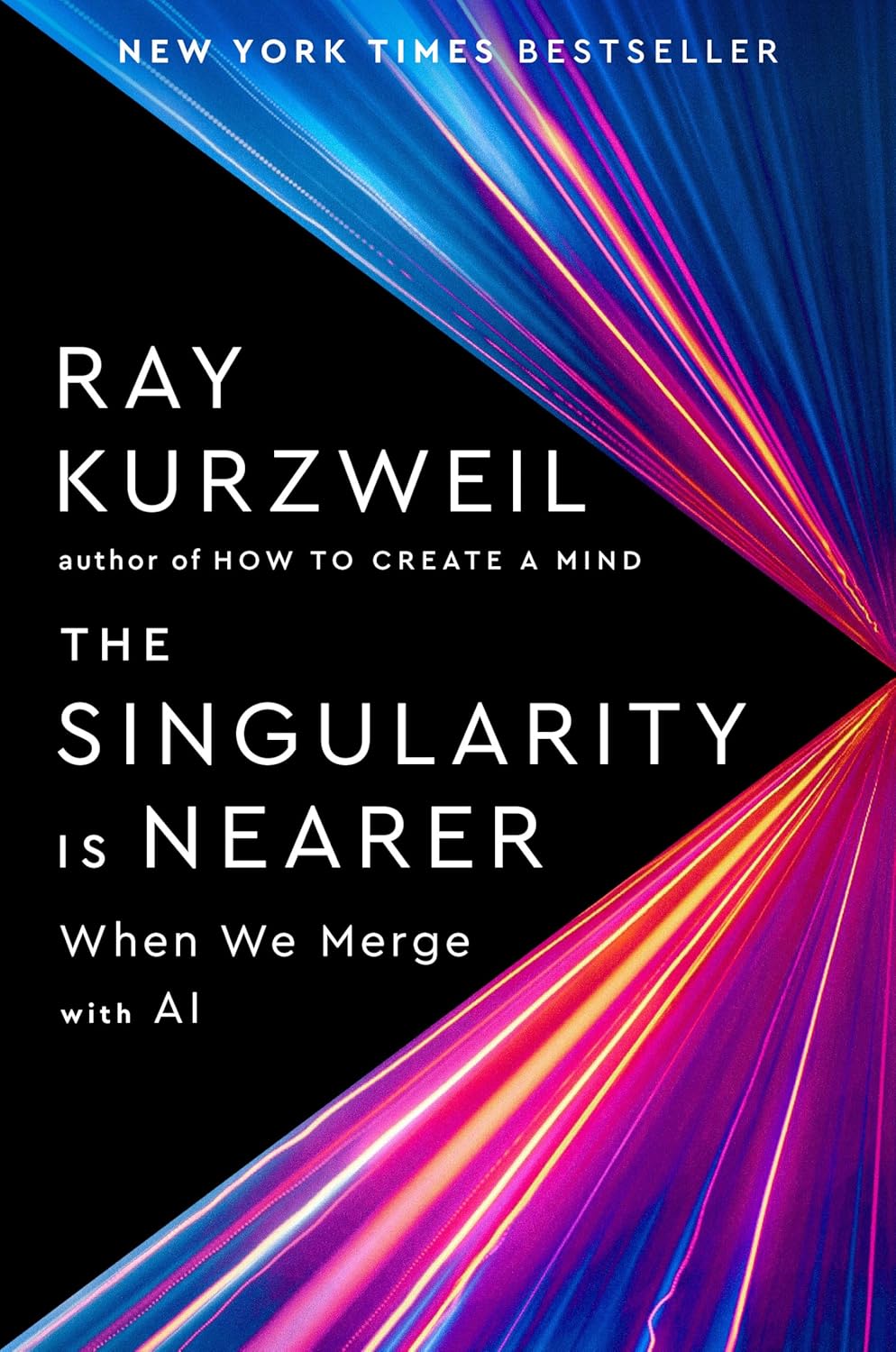
Twenty years after "The Singularity Is Near", Kurzweil revisits his predictions and keeps the date: human-AI merger around 2045.

AI as the latest chapter in the history of information networks, from gossip to the printing press to the algorithm.
As an Amazon Associate, Zendoric earns from qualifying purchases; the price does not change for you. · all our recommended books →
🔗 Related on Zendoric