Anthropic, Google and Mistral refresh their AI lineups at once: efficiency wins, not brute force

🕒 Published on Zendoric: October 9, 2026 · 00:18
✨ AI-generated · how it's made
Anthropic, Google and Mistral have overhauled their model lineups in the same week: Haiku 5.5, Sonnet 5.5, Gemini 4 Argon and Mistral Large 4. The common thread isn't more raw power, but cost, speed and security hardening — the race is entering a different phase.
📚 Go deeper

DeepMind co-founder on the dilemma of containing technologies that do not want to be contained.
As an Amazon Associate, Zendoric earns from qualifying purchases; the price does not change for you. · all our recommended books →
By CNET · October 8, 2026.
In the same week, Anthropic, Google and Mistral AI have refreshed much of their AI model lineups. Anthropic has released Claude Haiku 5.5 and Claude Sonnet 5.5; Google has begun rolling out Gemini 4 Argon to a small group of users; and Mistral AI has opened the public preview of Mistral Large 4, nicknamed "Le Chonk" for its size. According to CNET, some are incremental updates on speed and price and others more substantial improvements that edge toward the frontier; together they show where the competition is heading.
Haiku 5.5 is the first major update in a year to Anthropic's cheapest and fastest model, designed for high-volume, low-margin tasks. According to Anthropic itself, it costs 75% less to run than the previous version of Haiku, and improves on benchmarks for computer use, knowledge work, agentic coding and visual reasoning. It is also the first Haiku with an adjustable "effort setting" — a dial that lets the model be optimized for cost or for intelligence depending on the task — and it arrives with reinforced alignment and cybersecurity.
One rung above, Sonnet 5.5 replaces Sonnet 5.0 with improvements Anthropic describes as notable in agentic coding and knowledge work, especially in code. The company says its alignment and cybersecurity level is now comparable to that of Opus 5, an earlier iteration of its bigger sibling. It also adds a hardened defense against so-called distillation attacks: attempts by third parties to extract a model's capabilities in order to train their own copy without the original safeguards.
Google, for its part, unveiled its frontier model Gemini 4 Argon last week, with an output window of up to 1 million tokens (the smallest units of text a model processes; the more output tokens, the longer and more complex the projects it can handle in one go) and improved deep reasoning. For now it is accessible only to a small group of trusted cybersecurity professionals through the company's Fairwind program, a staged rollout that, as CNET notes, Anthropic and OpenAI have also followed with their latest major model updates before opening them to the general public.
Mistral AI rounds out the picture with Mistral Large 4, in public preview since this week and with an official launch set for October 27. The French company positions it among the most powerful open-weight models in the world (open-weight: models whose parameters are published so anyone can download and run them on their own hardware), with a declared focus on cybersecurity, geospatial data, grounding — the ability to anchor answers in verifiable sources rather than inventing them — and agentic AI.
Overall, the pattern running through these four launches says more than any one of them does alone. The headline is not "one model beats another on such-and-such benchmark": it is that three of the four updates tout cost, speed or security ahead of raw intelligence. Haiku cuts the price by 75%; Sonnet matches the safety of a more expensive model; Mistral and Google turn cybersecurity into an explicit selling point. When the capability frontier advances more slowly than the cost frontier, the competition shifts: it is no longer only about who reasons best, but about who puts that intelligence within reach of more tasks and more budgets.
It is also striking that defense against distillation attacks and hardened cybersecurity now show up as product features rather than footnotes. The more economic value a model concentrates, the more third parties want to copy it cheaply or exploit its flaws; protecting that intellectual property becomes as relevant for an AI company as protecting source code was for software two decades ago. That said, the figures each company offers about itself should be taken with caution: Anthropic's "75% cheaper" or Mistral's "among the world's best open-weight models" are self-reported claims, not measurements by an independent third party. As we keep insisting, the reliable picture comes from external benchmarks, not from release notes.
The access strategy matters too. That Gemini 4 Argon is reserved first for trusted cybersecurity professionals and that Mistral is releasing a powerful model in open weights are two sides of the same tension: how much control to retain versus how much to democratize. In the short term, that uneven distribution entrenches the advantage of whoever gets there first. In the medium and long term, each round of cheaper and more open models widens who can build with them without paying a toll to a leading lab — and that, ultimately, is how AI stops being a luxury for a few and becomes the cheap infrastructure underpinning the abundance we argue for at Zendoric over the long run.
📚 Go deeper

AI as the latest chapter in the history of information networks, from gossip to the printing press to the algorithm.
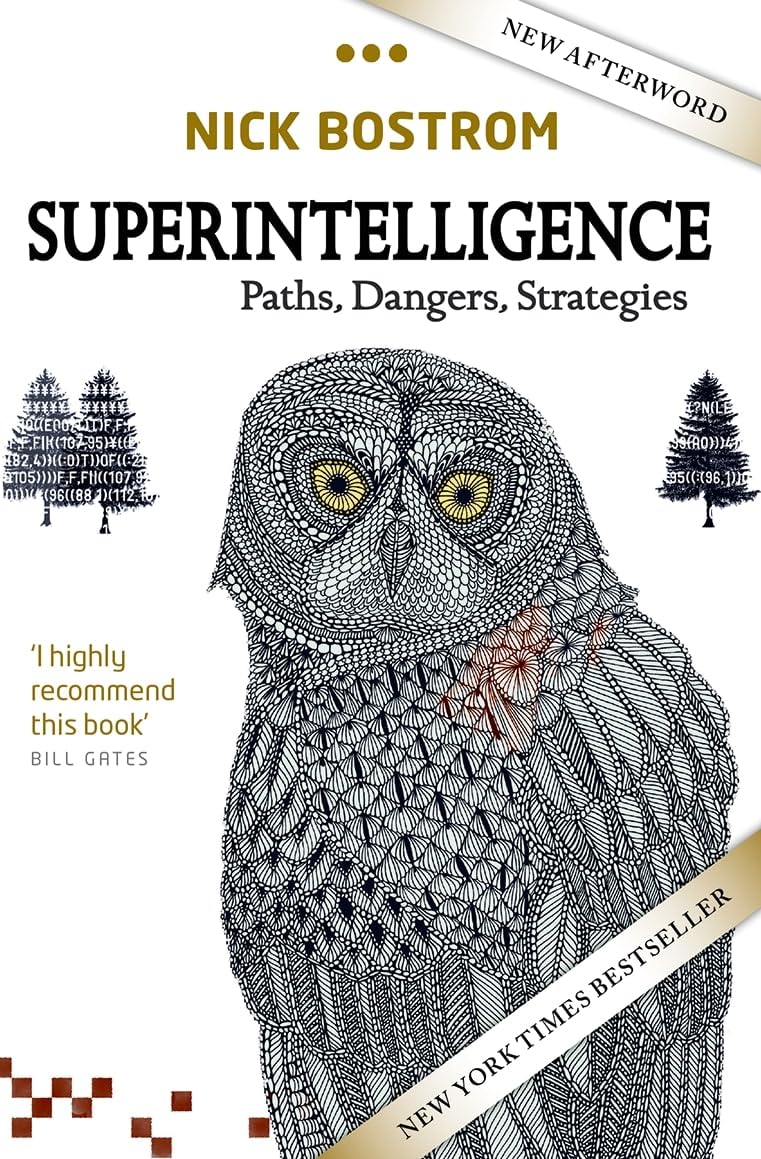
The book that started the existential-risk debate and that half the industry still cites.
As an Amazon Associate, Zendoric earns from qualifying purchases; the price does not change for you. · all our recommended books →
🔗 Related on Zendoric
- Google gates Gemini 4 behind 'trusted cyber defenders' — the staged release matters more than the benchmark chart · 2026-09-30
- Sonnet 5: Anthropic targets the invisible bill of AI agents with an Opus-grade model at a Sonnet price · 2026-07-01
- Microsoft isn't selling a better model: it's selling anxiety over its customers' AI spending · 2026-07-16