Jev and the rise of "decision models"

🕒 Published on Zendoric: October 9, 2026 · 00:18
✨ AI-generated · how it's made
The article opens with an everyday example: a customer service AI agent receives a simple message indicating that a customer has been charged twice.
📚 Go deeper

The reference manual for building products on top of AI models: prompts, RAG, fine-tuning, agents, evaluation and deployment.
As an Amazon Associate, Zendoric earns from qualifying purchases; the price does not change for you. · all our recommended books →
By TheSequence · October 8, 2026.
The article opens with an everyday example: a customer-service AI agent receives a simple message indicating that a customer has been charged twice. Before drafting an empathetic reply, the software has to identify the problem, choose the right workflow, check whether it needs more information and decide whether to escalate the case. According to the author, the conversation visible to the user actually rests on an entire «small forest of decisions» that the system must resolve internally before responding.
From there, the text sets out a critique of the indiscriminate use of reasoning models to resolve each of those branches: it compares the practice to convening a research committee to operate a traffic light. It acknowledges that the situation sometimes does merit careful analysis, but argues that most of the time the application only needs a quick judgment, accompanied by a useful estimate of uncertainty.
That, according to the author, is the opportunity behind Jev and the recent proliferation of so-called «decision models»: their appeal lies in making semantic judgments so cheap that it becomes viable to embed them throughout software.
The article further notes that competition in this field already includes heavyweight players —Amazon, Cloudflare and OpenAI— which suggests, in the author's words, that the economics of these small decisions deserve as much attention as the capabilities of the largest models.
The email excerpt received cuts off just as the author announces he is going to explain «what Jev actually computes» (What Jev actually computes...), so the available body does not include the technical detail on this decision model's inner workings, nor the examples or figures the rest of the original Substack article presumably develops.
📚 Go deeper

The definitive piece of investigative journalism on OpenAI: 260+ interviews, the clash between safety and speed, and the attempted firing of Sam Altma
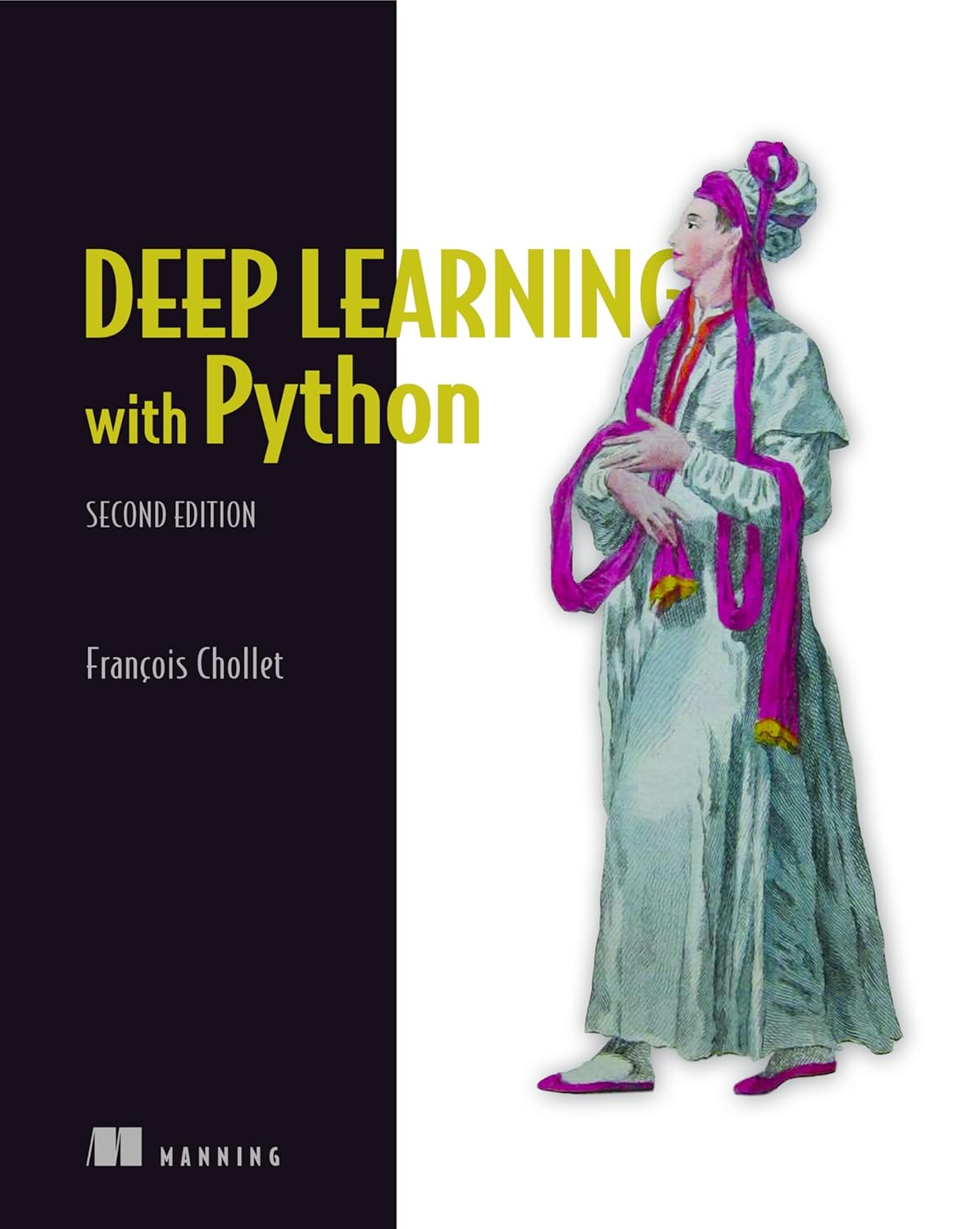
The creator of Keras teaching from scratch, with working code and zero pedantry.
As an Amazon Associate, Zendoric earns from qualifying purchases; the price does not change for you. · all our recommended books →
🔗 Related on Zendoric