IllustratorMagic sells AI-made children's books for $40 for life: self-publishing now costs almost nothing

🕒 Published on Zendoric: October 5, 2026 · 00:06
✨ AI-generated · how it's made
A StackSocial deal on Cult of Mac offers lifetime access to IllustratorMagic, an AI that generates illustrated children's books in minutes, for $39.99 against a $499 list price. Little news in itself, but a clear sign of where the cost of creating is heading.
📚 Go deeper

DeepMind co-founder on the dilemma of containing technologies that do not want to be contained.
As an Amazon Associate, Zendoric earns from qualifying purchases; the price does not change for you. · all our recommended books →
By Cult of Mac Deals · October 4, 2026. StackSocial, the commercial partner that runs Cult of Mac's deals section, is selling lifetime access to IllustratorMagic's Pro plan for $39.99, against an advertised list price of $499. It's an affiliate offer, not a product launch, so it is best treated as what it is: a price gauge, not a technological milestone.
The technical facts, as the maker itself describes them in the listing: IllustratorMagic is a web platform (it runs in Safari, with nothing to install) that turns a text description into a complete children's story, comic or coloring book —text, illustrations and layout— in two to five minutes, depending on the page count. It lets you choose among four styles (watercolor, 3D cartoon, claymation and sketch), keep the main character consistent across every page —the classic problem with generic image generators, which tend to make the same hero's face change from scene to scene— and create custom characters based on a real child or person. The output is exported at 300 DPI as a print-ready PDF, with careful typography and drop caps. The "lifetime" plan has a ceiling: up to 1,000 books in total and a maximum of 20 a month, enough for a parent who wants a couple of personalized gifts, not for an industrial print shop.
What is interesting is not the discount, but what it reveals about the maturity of generative AI applied to very specific niches. Two years ago, building a text-to-image pipeline with a character who stayed coherent from start to finish required prompt-engineering know-how and several chained tools. Today it comes packaged as a consumer product, sold through a flash-deals platform like StackSocial —the same circuit that has carried desktop software licenses for years— and advertised alongside iPhone cases and CarPlay accessories. A comment on the article itself sums it up inadvertently: one reader jokes that it is easier to build the same pipeline yourself with an AI and a few tool calls than to pay for it. He has a point, and that is precisely the risk with this kind of product: they are thin layers over foundation models that are becoming more capable by default, and when the big labs build character consistency into their own image generators as standard, the margin for these wrapper apps narrows.
In general, the arrival of these tools in children's self-publishing is already causing real friction: freelance illustrators who made a living from low-end commissions —the personalized birthday book, the corporate story, the self-publishing project— are watching that slice of the market automate first, while the illustrator with a distinctive voice and publishing clients remains in demand. It is the same pattern we see in other creative sectors: AI does not replace artistic judgment, it replaces the repetitive, entry-level work that used to serve as training and pay the bills while a career was being built. Platforms such as Amazon have also been dealing for some time with the flood of AI-generated children's books in their self-publishing catalog, and the erosion of buyer trust that comes with it.
Our reading, in line with what we have been arguing about AI and creative employment: in the short term this makes a very specific segment cheaper and more saturated —the generic or low-cost personalized picture book— and that carries a real cost for anyone who made a living in that niche. In the long run, however, it is exactly the kind of abundance we champion: a teacher can create a story tailored to their class's reading level in minutes, a parent can give their child a story in which they are the hero for the price of a movie ticket, and the marginal cost of personalizing educational or emotional content trends toward zero. The challenge of the coming decade is not to hold back that abundance, but to decide what we do about the illustrators and authors whose first professional rung has just disappeared.
📚 Go deeper

AI as the latest chapter in the history of information networks, from gossip to the printing press to the algorithm.
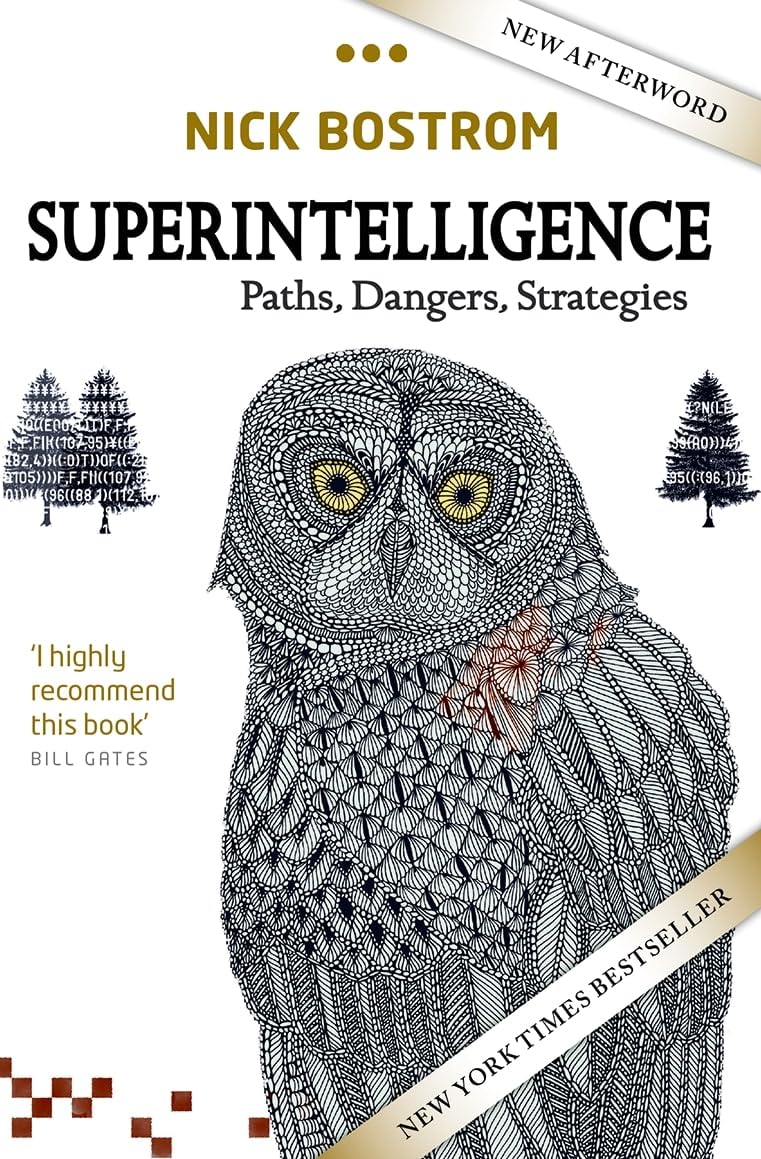
The book that started the existential-risk debate and that half the industry still cites.
As an Amazon Associate, Zendoric earns from qualifying purchases; the price does not change for you. · all our recommended books →
🔗 Related on Zendoric