China-linked hackers impersonated an Anthropic executive and former U.S. officials to spy on AI

🕒 Published on Zendoric: October 2, 2026 · 00:19
✨ AI-generated · how it's made
An espionage campaign attributed to actors linked to the Chinese government used impersonation as its main weapon in an attempt to obtain sensitive information about artificial intelligence development in the United States.
📚 Go deeper
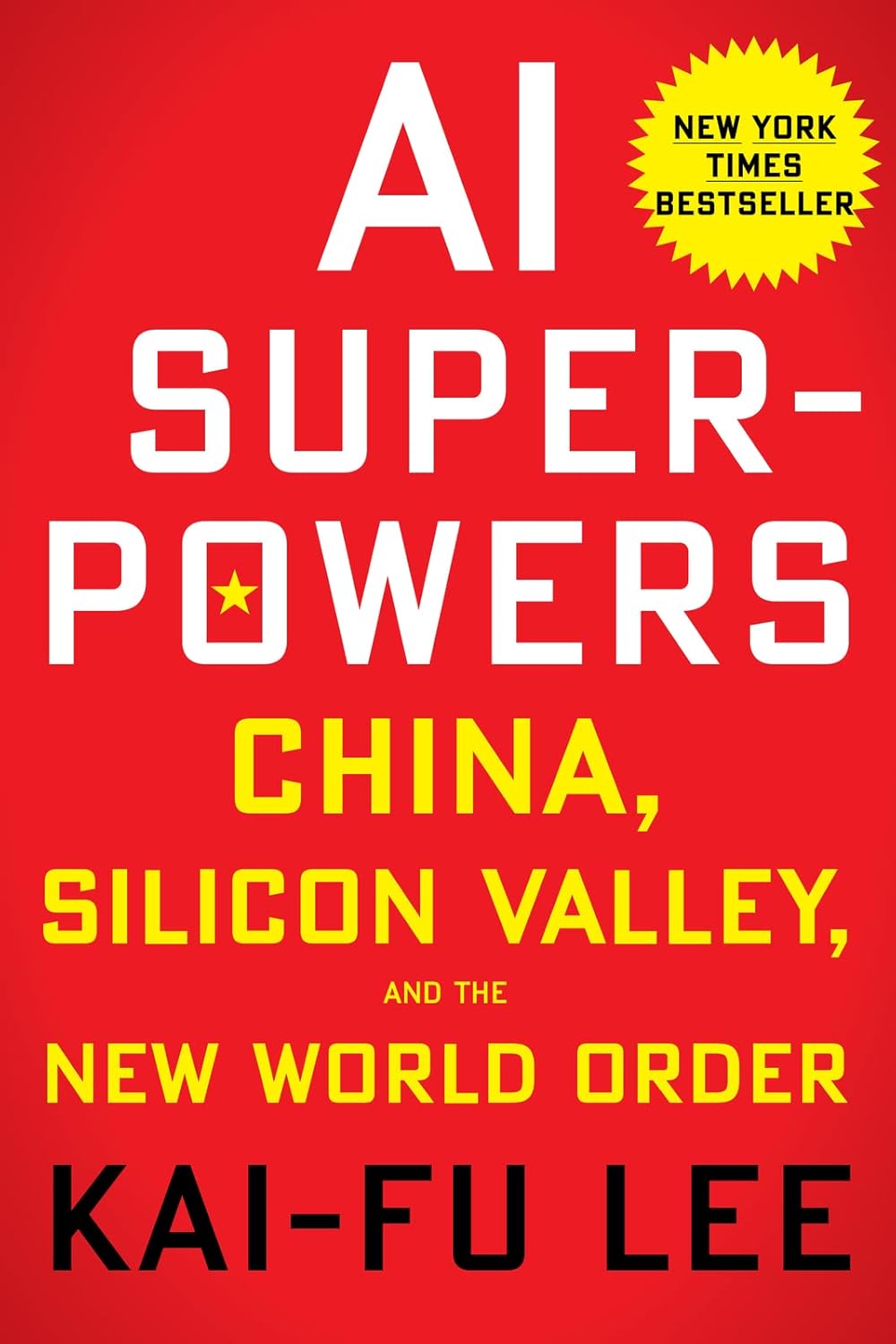
China vs.
As an Amazon Associate, Zendoric earns from qualifying purchases; the price does not change for you. · all our recommended books →
An espionage campaign attributed to actors linked to the Chinese government used impersonation as its main weapon in an attempt to obtain sensitive information about artificial intelligence development in the United States. According to Silicon Valley-based cybersecurity firm Proofpoint, the hackers posed as both a senior Anthropic employee and former US government technology officials in order to contact industry experts and try to extract information or steal access credentials.
The targets were not chosen at random: they were specialists in AI technology export controls and in the military applications of these systems, people working at US universities, think tanks and law firms. Access to these experts' communications could give Beijing a privileged window into how American society is approaching what many consider an existential governance issue surrounding AI.
Proofpoint found no evidence that the attacks succeeded in actually breaching the targeted organizations, but warned that it may have detected only part of the malicious activity, given that Beijing-linked groups tend to persist in their attempts until they obtain the access they are after. The firm's researcher Mark Kelly told CNN there is confidence in the attribution to the Chinese government because of the consistency of the targets with Beijing's interests, the technical infrastructure observed and corroboration from other industry partners. CNN requested comment from the Chinese Embassy in Washington; Beijing routinely denies cyberespionage accusations of this kind.
One of the most detailed episodes involves the impersonation of Lynne Parker, a senior White House technology official under both the Trump and Biden administrations. Posing as her, the attackers sent an email to an employee at a US law firm inviting him to take part in a supposed 'AI policy advisory committee'. The fake Parker then forwarded a malware-infected document that claimed to offer further details about that fictitious committee. Parker herself, now associate vice chancellor emerita at the University of Tennessee, Knoxville, told CNN that several colleagues began contacting her after receiving suspicious emails sent in her name. She said she first felt concern for those who might have been targeted by the deception, and then sadness at seeing professional relationships built over the course of her career exploited by malicious actors to deceive others.
The other case documented by Proofpoint involved impersonating a senior employee at Anthropic, the US AI company that has clashed with the Trump administration over the restrictions it places on the use of its technology. On February 26, the attackers sent an email in that employee's name to an AI policy analyst at a US think tank, with the subject line 'Request for feedback on the military integration of Claude', a reference to one of Anthropic's models. Through that exchange, the hackers tried to steal the analyst's email credentials. Strikingly, just one day after that message was sent, the Trump administration ordered federal agencies and military-linked contractors to end their business relationships with Anthropic, after the company refused to allow the Pentagon to use its AI technology without restrictions.
The findings come at a time when artificial intelligence remains a central point of friction in relations between Washington and Beijing. Last week, Donald Trump and Chinese leader Xi Jinping discussed AI at the White House without reaching a substantive agreement. Trump has been reluctant to impose regulatory barriers on the most advanced AI models, for fear that doing so would leave the United States trailing China in the race for technological supremacy. Last month, his administration accused Chinese AI companies of trade secret theft 'on an industrial scale' against their American counterparts, in order to cut costs and speed that technology to market; China denied the accusations.
The concern is not limited to the United States. The British intelligence service MI5 warned that UK academics have contributed AI and cybersecurity research to a Chinese institute with close ties to that country's intelligence services, noting that in some cases those academics may not have been aware of the connection.
According to experts who closely track these operations, China-linked cyber actors are targeting practically every level of the artificial intelligence ecosystem: from the semiconductors that underpin the technology to the people who devote their careers to it. The ability of the United States to stay competitive in AI could depend in large part on how well it manages to protect that ecosystem from infiltration. As Lynne Parker herself put it, 'getting AI policy right is essential to our national security and economic competitiveness, and that includes protecting the people and institutions whose expertise informs those decisions.'
📚 Go deeper

The best starting book if you're not technical: a Wharton professor explains how to work WITH AI — when to delegate, when to supervise, when to keep i

Semiconductors as the oil of the 21st century: history, espionage, and why an island of 23 million people underpins the entire AI economy.
As an Amazon Associate, Zendoric earns from qualifying purchases; the price does not change for you. · all our recommended books →
🔗 Related on Zendoric
- China-linked spies impersonate Anthropic to spy on the U.S. debate over regulating AI · 2026-10-05
- Trump's secret battle against Chinese AI: a ban on open models that would benefit OpenAI and Anthropic? · 2026-07-22
- Anthropic closes the loopholes Chinese companies used to access Claude, according to the FT · 2026-07-07