China extends its overseas travel restrictions to the families of senior AI executives
🕒 Published on Zendoric: September 30, 2026 · 00:34
✨ AI-generated · how it's made
China has extended the overseas travel restrictions already imposed on leading artificial intelligence professionals at private companies, now applying them to the immediate family members of that key personnel as well.
📚 Go deeper

Semiconductors as the oil of the 21st century: history, espionage, and why an island of 23 million people underpins the entire AI economy.
As an Amazon Associate, Zendoric earns from qualifying purchases; the price does not change for you. · all our recommended books →
China has broadened the foreign travel restrictions already weighing on prominent artificial intelligence professionals at private companies, now extending them to the immediate family members of that key personnel as well. According to people with knowledge of the matter cited by Bloomberg, Chinese government agencies have recently begun notifying those affected of these expanded measures, a group that includes both prominent startup founders and executives at companies considered strategically important in AI-related fields.
Specifically, spouses and children of certain artificial intelligence and semiconductor executives — whose work is deemed of the utmost relevance to State security — must now obtain prior authorization from Beijing before travelling abroad, even for short trips. Until now, controls of this kind focused on the technical professionals themselves; the new development reported in the article is that the circle of surveillance is being extended to their closest family circle.
The stated aim of these measures, as described by the sources consulted, is to prevent the leakage of critical technical knowledge and sensitive information to the United States. The news thus fits into a broader context of technological rivalry between the two powers, in which human talent in AI and semiconductors has become an asset that Beijing seeks to retain and protect as much as the technologies or manufacturing equipment themselves.
The article, which is very brief, does not detail which specific companies or individuals have been affected by this expansion, nor does it give figures on how many executives or family members are subject to this prior authorization regime. Nor does it explain the exact approval procedure or the consequences for those who fail to comply. Any reading of the measure's real scope — its practical application, the number of people affected or its impact on Chinese AI companies' ability to operate and hire internationally — should be treated with caution, since it does not follow from the data available in this news item.
If confirmed and sustained over time, a restriction of this kind would have significant implications for the Chinese AI ecosystem: it could hamper the international mobility of executives and founders, affect the recruitment of talent with a global profile and add a source of friction for foreign investors interested in Chinese AI and chip companies, at a time when Washington and Beijing are locked in a constant struggle for control of technologies deemed to be matters of national security.
📚 Go deeper
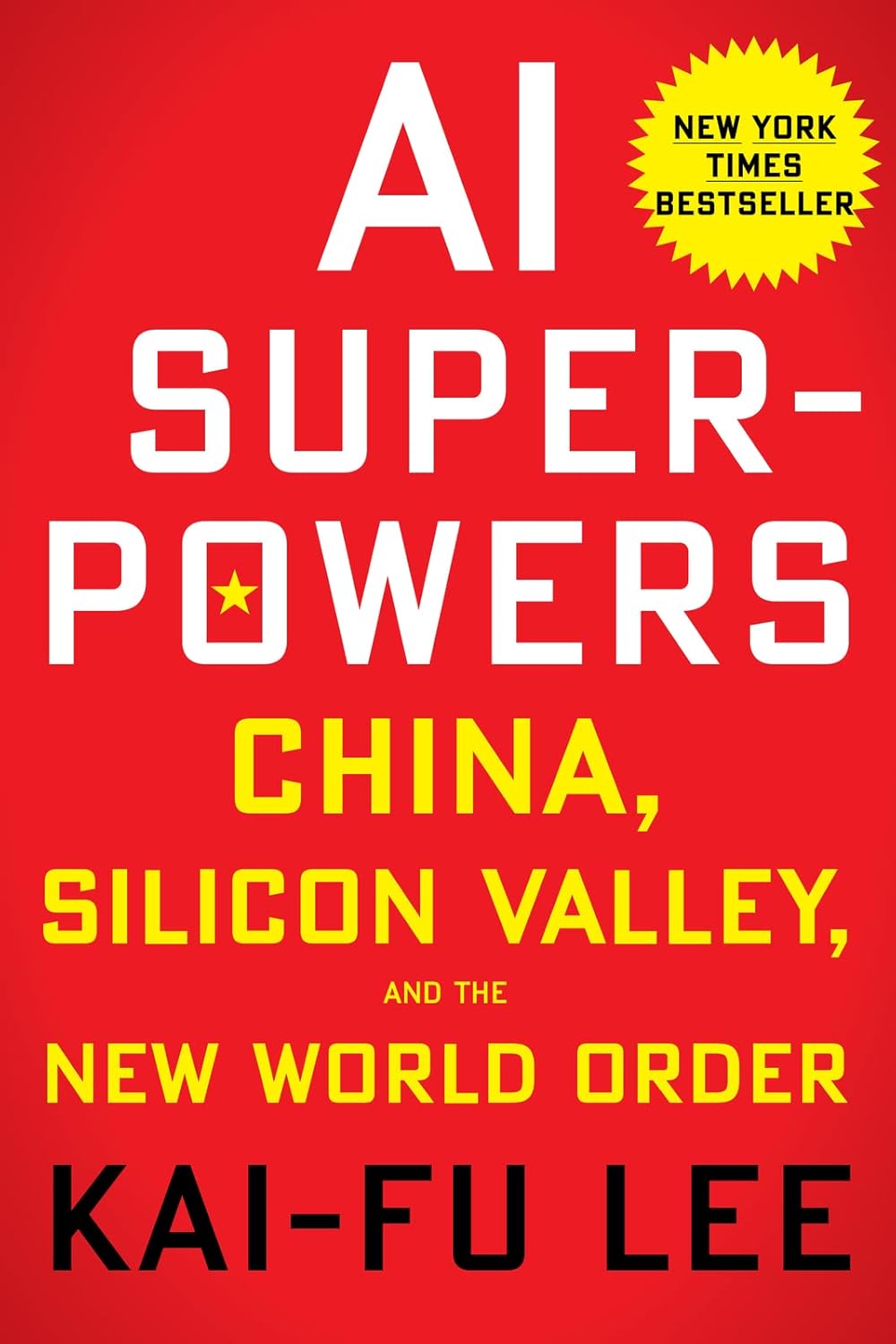
China vs.

The best starting book if you're not technical: a Wharton professor explains how to work WITH AI — when to delegate, when to supervise, when to keep i
As an Amazon Associate, Zendoric earns from qualifying purchases; the price does not change for you. · all our recommended books →
🔗 Related on Zendoric