At Meta Connect, Meta's smart glasses were everywhere: new audio and accessibility models
🕒 Published on Zendoric: September 29, 2026 · 08:25
✨ AI-generated · how it's made
At its annual Meta Connect conference, Meta made clear that smart glasses have become the centerpiece of its hardware strategy. According to a TechCrunch reporter who attended the event, both Meta staff and the many influencers present wore the glasses…
📚 Go deeper

The definitive piece of investigative journalism on OpenAI: 260+ interviews, the clash between safety and speed, and the attempted firing of Sam Altma
As an Amazon Associate, Zendoric earns from qualifying purchases; the price does not change for you. · all our recommended books →
At its annual Meta Connect conference, Meta made clear that smart glasses have become the centerpiece of its hardware strategy. According to a TechCrunch journalist who attended the event, both Meta staff and the many influencers present wore the glasses constantly, and most of the demos the company offered revolved around these devices.
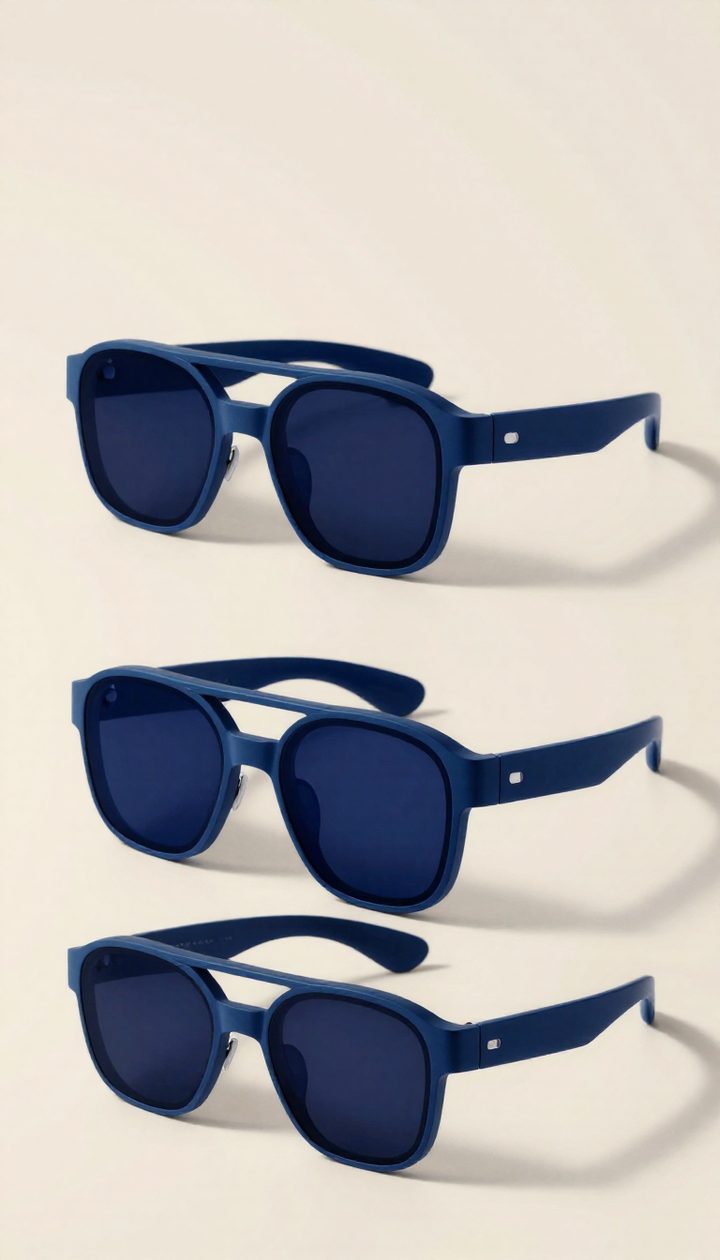
One of the standout products tested at the event was a new, as-yet-unreleased model of smart glasses focused exclusively on audio. Unlike the brand's other glasses, these have no camera: they include six microphones but no native system for recording the surroundings. This design comes shortly after Meta faced criticism over its camera-equipped glasses, which some detractors went so far as to call "pervert glasses" for their potential use in covert surveillance; according to the source, the absence of a camera should help ease those privacy concerns. The journalist notes that the device is noticeably lighter and more comfortable than other smart glasses he had tried before, and the Meta representative running the demo stressed its focus on entertainment and communication: listening to music more comfortably than with headphones and taking calls without having to pick up the phone.
These glasses will integrate with Muse, Meta's personal artificial intelligence agent system, in a feature not yet available to the public. The integration allows users to give the agent voice commands so it can carry out tasks on their behalf, and Meta plans to personalize the experience by letting users choose among different digital avatars representing the agent. The journalist was able to try this feature and describes it as fun but also somewhat confusing: the system requires speaking to it very directly and gets thrown off if the user is holding a conversation with another person at the same time, something that happened during the test when the agent mistakenly assumed it was being addressed and began responding over the real conversation. Even so, the tool's practical potential is acknowledged: asking Muse to send emails, read out to-do lists or handle other digital chores while the user does something else, such as the grocery shopping or having a drink at a bar. The glasses also allow general questions, much like a mobile version of ChatGPT; as an example, they are said to have answered a question about World War II correctly and concisely.
The second pair of audio glasses tested by the journalist is designed for people with hearing loss. It is a product with a clear practical purpose, something highlighted as unusual among today's tech gadgets, in a context where an estimated 50 million Americans have some degree of hearing loss. A member of Meta's research team explained that the device has been in development for about five years and stressed its price difference compared with traditional solutions: while many hearing aids can cost up to $1,600, these glasses will sell for $150. During the demo, which the journalist attended, earplugs were used to simulate hearing loss before putting on the glasses; once on, the device amplified the voice of the person being spoken to, with two operating modes: a focused one, which concentrates on the person in front of you, and an omnidirectional one, which picks up sound from all around.
The article concludes by noting that Mark Zuckerberg has made clear he sees smart glasses as the future, and that the company is fully committed to delivering on that vision. It warns, however, that smart glasses remain a niche market that has yet to fully take hold. What was evident at Meta Connect, according to the account, is that the company is trying to cover everything — style, functionality and usefulness — in an attempt to succeed where other manufacturers have failed before. The journalist himself closes on a note of caution: although general enthusiasm about this future reigned at the event, it remains to be seen whether the rest of the world will follow the same path.
📚 Go deeper

The story of NVIDIA and Jensen Huang: how a video-game card company ended up making the most coveted resource on the planet.

DeepMind co-founder on the dilemma of containing technologies that do not want to be contained.
As an Amazon Associate, Zendoric earns from qualifying purchases; the price does not change for you. · all our recommended books →
🔗 Related on Zendoric
- Meta launches Ray-Ban Meta Audio at 349 dollars and brings its Muse AI agent to smart glasses · 2026-09-25
- OpenAI is reportedly preparing its first device: a screenless speaker that can move · 2026-07-16
- Smart glasses are already sowing chaos in India: viral harassment and unchecked police surveillance · 2026-10-01