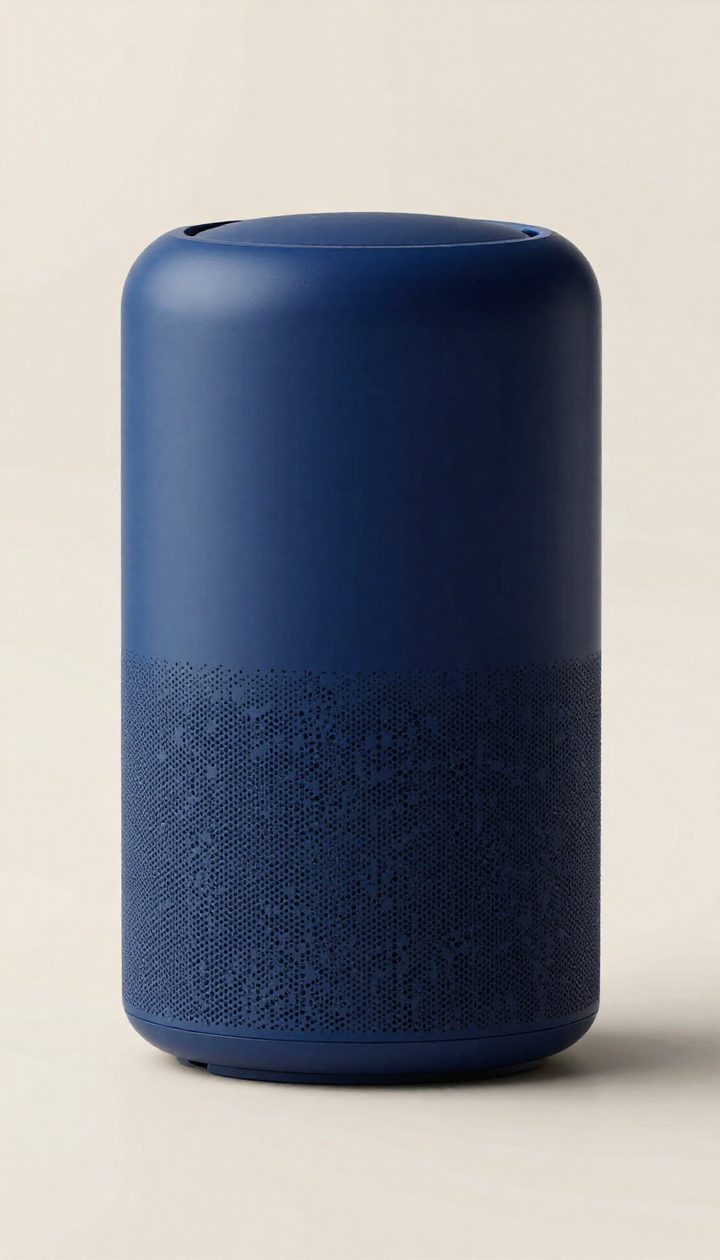
OpenAI is reportedly preparing its first device: a screenless speaker that can move
🕒 Published on Zendoric: July 16, 2026 · 00:23
✨ AI-generated · how it's made
According to a Bloomberg report picked up by TechCrunch, OpenAI is said to be developing its first in-house hardware product: a screenless smart speaker, designed to work as a "humanoid AI companion that lives in the home."
📚 Go deeper
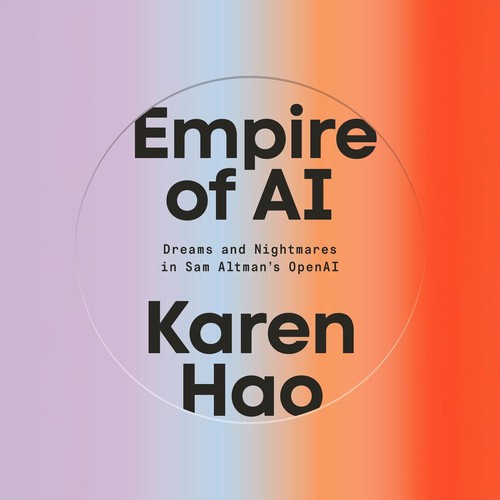
The definitive piece of investigative journalism on OpenAI: 260+ interviews, the clash between safety and speed, and the attempted firing of Sam Altma
As an Amazon Associate, Zendoric earns from qualifying purchases; the price does not change for you. · all our recommended books →
According to a Bloomberg report cited by TechCrunch, OpenAI is reportedly developing its first in-house hardware product: a screenless smart speaker designed to work as a "humanoid AI companion that lives in the home." The device, still in development, would sync with ChatGPT and offer AI services for the home, but it is described as something different from conventional smart speakers.
The most striking part of the report is that, according to the cited sources, the device would have "personality" and the ability to proactively learn about its owner over time, offering an increasingly personalized service. To achieve this, the device would have access to the user's digital life, including things like email. Bloomberg adds an unusual detail: the product would incorporate "mechanical elements that can move on their own," with the stated intention of making it feel like a companion and turning it into a "physical manifestation" of ChatGPT.
The project has reportedly involved several former Apple engineers who were key to the development of products such as the iPhone and the Mac, reinforcing OpenAI's ambition to build hardware to top-tier design standards. The company has long been hinting at its interest in launching its own physical products, including rumors of a possible phone that would put it in direct competition with Apple.
This move comes at a particularly delicate moment in the relationship between OpenAI and Apple: last week Apple sued OpenAI accusing it of stealing trade secrets, further alleging that the claims in the lawsuit are only "the tip of the iceberg" and that the discovery process will reveal further misconduct. OpenAI has denied any wrongdoing. According to the Bloomberg sources cited in the article, within OpenAI this new product is seen as "a significant departure from anything Apple has on the market today" and as "unlikely to violate trade secrets" of the Cupertino company.
The article frames this bet within a growing interest across the sector in consumer AI hardware. As an example, it mentions that Hark, an AI lab founded by Brett Adcock, closed an oversubscribed $700 million Series A round in May at a $6 billion valuation, with the goal of developing what it calls "personal intelligence": its own AI models combined with custom hardware conceived as a "universal interface between humans and machines." It notes that this company has not even detailed the physical form of its device yet, which underscores how much capital is being mobilized into this category even before real products exist on the market.
Overall, the news points to an increasingly intense race among AI labs to move their conversational assistants into physical objects that accompany the user beyond the phone or computer screen, in a context where legal tensions with established hardware players—such as Apple—have already begun to surface openly.
📚 Go deeper
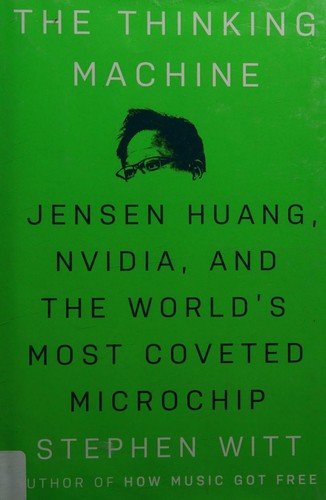
The story of NVIDIA and Jensen Huang: how a video-game card company ended up making the most coveted resource on the planet.

Semiconductors as the oil of the 21st century: history, espionage, and why an island of 23 million people underpins the entire AI economy.
As an Amazon Associate, Zendoric earns from qualifying purchases; the price does not change for you. · all our recommended books →
🔗 Related on Zendoric
- Apple's Trade-Secrets Suit Is Really a Bet Against OpenAI's Hardware Timeline · 2026-07-20
- Anthropic bills like infrastructure, not like an app: how it's gaining ground on OpenAI in the enterprise · 2026-07-09
- Apple reportedly preparing the M7 Ultra with up to 1.5 TB of RAM for on-device AI (rumor for 2029) · 2026-07-15