The Pentagon wins the legal battle to expel Claude from its systems: a precedent that weighs beyond Anthropic

🕒 Published on Zendoric: September 28, 2026 · 00:22
✨ AI-generated · how it's made
A U.S. appeals court has rejected Anthropic's appeal: the Pentagon may withdraw its Claude models over supply chain 'risk'. The dispute began in February with accusations from Trump and Hegseth and leaves a precedent that goes beyond the company itself.
📚 Go deeper
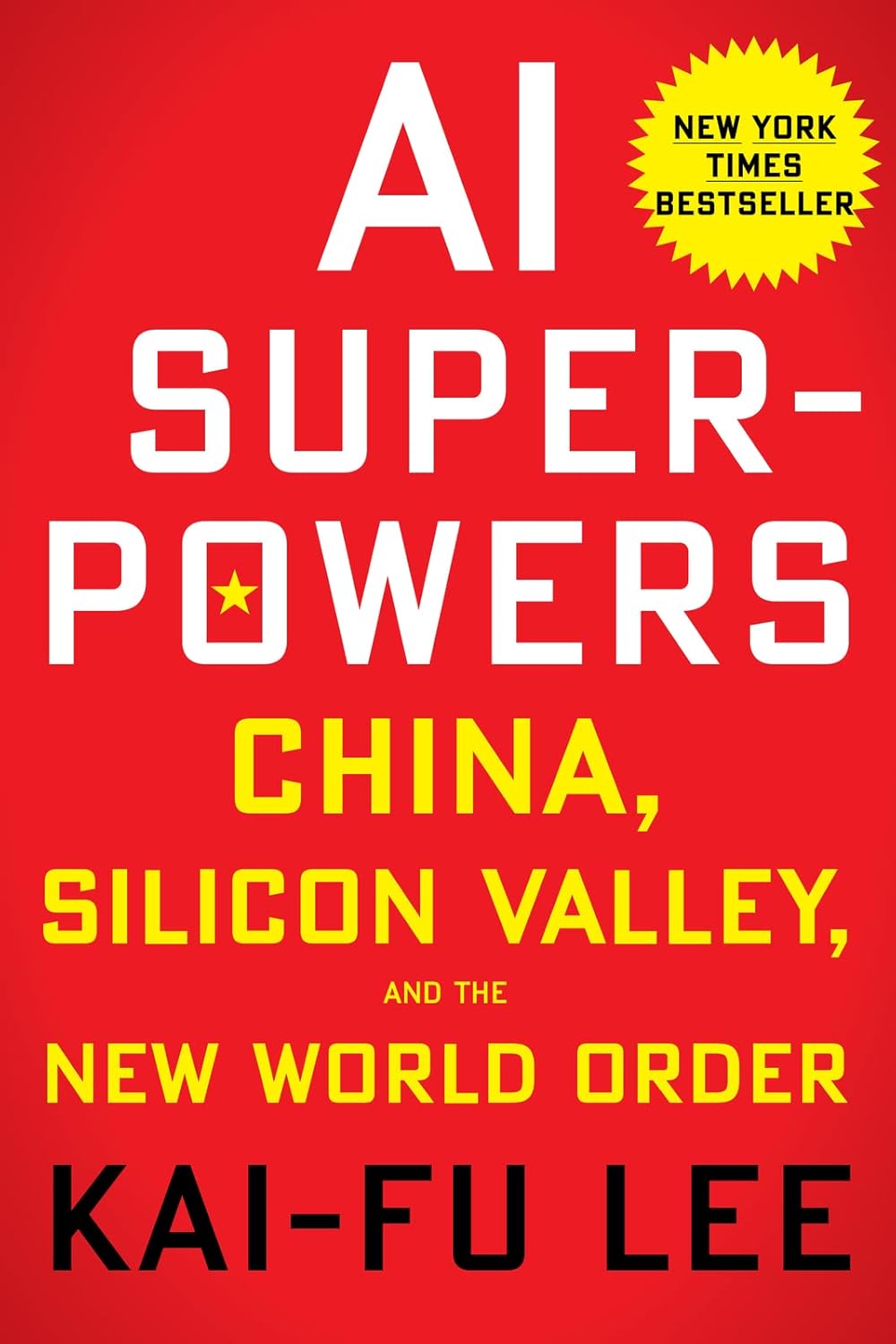
China vs.
As an Amazon Associate, Zendoric earns from qualifying purchases; the price does not change for you. · all our recommended books →
By Zendoric · September 28, 2026.
The US Court of Appeals for the District of Columbia Circuit has ruled in favor of the Pentagon in its legal battle with Anthropic, as reported by Boston Herald. The decision rejects the company's appeal against the "supply chain risk" label imposed on it by the Department of Defense, and clears the way for the Pentagon to remove Claude models from its systems.
Pentagon spokesman Sean Parnell welcomed the ruling on Friday on social media, saying it "fully validates the Department's position". The conflict dates back to February, when President Donald Trump and Defense Secretary Pete Hegseth accused Anthropic of putting national security at risk, according to the article itself; neither the Pentagon nor Anthropic has publicly spelled out, as far as we know, what specific technical element prompted the label.
This ruling should not be confused with the litigation as a whole. Boston Herald itself clarifies that this is a separate case from an earlier one, in which a judge concluded that the Pentagon had acted illegally against Anthropic, in that instance in retaliation for the company's criticism of the use of AI. Anthropic now loses on the "supply risk" classification, but at the same time retains a partial victory on the front of retaliation for its public dissent.
As industry context, this label is not an ad hoc invention: it is the same administrative tool Washington has used before to expel suppliers such as Huawei or Kaspersky from federal networks. Seeing it applied, as far as we know for the first time, against a top-tier US AI lab is the part of this story that really matters, beyond the specific outcome for Anthropic.
Our reading is that this is not a technical disagreement about Claude's performance: it is a political showdown over who decides which AI model may touch US military infrastructure. Broadly, Anthropic has stood out as the lab most willing to set explicit limits on the use of its models in mass surveillance or sensitive military applications, a stance that clashes with a White House that has made clear — with Trump leading the way — that it prioritizes speed of deployment over caution. The supply risk label fits that same script, as a lever that punishes friction rather than demonstrated insecurity.
And here a paradox emerges: the Pentagon now treats Claude as a risk to be expelled, after another judge concluded that the Department itself had acted illegally against the company. The US government does not speak with one voice on whether it trusts Anthropic's AI; each body appears to settle that question according to its own interests, not according to a shared technical standard.
The ones who should take note are the rest of the labs negotiating contracts with Washington. That an appeals court endorses the Pentagon's discretion to classify a supplier as a risk — even with another judge having checked it in a parallel case — sends a clear signal: attaching ethical conditions to public AI contracts now carries a tangible legal cost. It does not change our underlying thesis about where this technology is heading in the long run, but it does confirm that, in the short term, AI governance in the US is being decided as much in the courts as in the labs.
📚 Go deeper

The best starting book if you're not technical: a Wharton professor explains how to work WITH AI — when to delegate, when to supervise, when to keep i

The reference manual for building products on top of AI models: prompts, RAG, fine-tuning, agents, evaluation and deployment.
As an Amazon Associate, Zendoric earns from qualifying purchases; the price does not change for you. · all our recommended books →
🔗 Related on Zendoric
- Anthropic's Two Red Lines Cost It the Pentagon — and Set a Precedent for AI in the Kill Chain · 2026-07-05
- Trump dines with Amodei the same weekend a court upholds the Pentagon's ban on Claude · 2026-09-28
- The Pentagon Just Priced Safety Guardrails as a Supply-Chain Risk — and Made Its AI Stack Uniform · 2026-09-01
Sources & references
- Boston Herald — The Pentagon wins the legal battle to expel Claude from its systems: a precedent that weighs beyond Anthropic
- TestingCatalog — Claude Sonnet 5.5 leaks just before OpenAI's DevDay: Anthropic plays the calendar card
- TechCrunch — Amodei sits down to dinner with Trump while Anthropic litigates against the Pentagon over military use of its AI
- gHacks — Anthropic opens Claude Marketplace with 2,000 connectors: the game is no longer the model, it's who controls distribution