A 24-hour AI tutor is now routine in STEM: the gain is access, the risk is no longer thinking for yourself

🕒 Published on Zendoric: September 27, 2026 · 00:23
✨ AI-generated · how it's made
ChatGPT, Gemini and Copilot have become the permanent study partner of thousands of STEM undergraduates, with institutions reporting usage above 90% among their students in 2025. The promise is round-the-clock availability and tailored explanations; the fine print is what happens to independent thinking when the answer is always one click away.
📚 Go deeper

The reference manual for building products on top of AI models: prompts, RAG, fine-tuning, agents, evaluation and deployment.
As an Amazon Associate, Zendoric earns from qualifying purchases; the price does not change for you. · all our recommended books →
By Generación Universitaria (El Universal) · September 26, 2026.
The scene is already routine on any campus with a STEM degree (science, technology, engineering and mathematics): a student stuck on a differential equation at two in the morning opens ChatGPT, Gemini or Copilot and gets an instant explanation, tailored to their level, with additional examples if the first one doesn't convince them. According to the article, various universities reported in 2025 that more than 90% of their students were already using AI tools to resolve doubts, do assignments and supplement their learning. The figure comes without a single verifiable source —the text itself speaks generically of "various universities"— so it is best taken as a snapshot of a trend, not as hard, verifiable data.
What matters is not so much the percentage as the shift in model it describes: traditional academic advising depends on specific office hours; the AI tutor is available 24 hours a day. That democratizes something that until recently was a luxury, access to personalized, immediate explanation, available at nine in the morning just as it is at the hour when panic sets in before an exam.
The article itself puts its finger on the underlying tension, and it is the right one: learning is not accumulating correct answers, it is developing the capacity to reason without scaffolding. If students delegate to AI not only the explanation but the effort of solving, what erodes is precisely the competence the degree was meant to build. It is a real risk, not a rhetorical nuance, and it connects with something we have already seen in education generally: international assessments have long been showing declines in performance that predate the mass adoption of chatbots, so AI may act as an accelerant of an underlying problem —how thinking is taught— rather than as its sole cause.
Our reading is that the axis of the disruption is not whether students use AI, but what they use it for. The article sums it up better than most analyses in the sector when it says that the real value of these tools is not answering questions but helping to formulate ever better questions. It is the same line that separates the teacher who merely transmits content —increasingly replaceable— from the one who orchestrates AI in the classroom to teach students to verify, question and connect ideas, a role that gains weight rather than losing it. The skills the text identifies as emerging in STEM —critical thinking, creativity, interpreting information, effective communication, collaboration with intelligent systems— are exactly the ones that survive when technical execution is automated.
In the long run, this is one of those pieces where an apparently minor headline connects with the thesis that matters most to us: if a student anywhere, without the means to pay for a private tutor, gains access to personalized and unlimited explanation, that is educational abundance in its purest form, one of the first tangible and already visible dividends of generative AI. The short-term challenge —dependency, loss of cognitive muscle, the gap between those who use AI to think better and those who use it to avoid thinking— is real and deserves for universities to address it through pedagogical design, not bans. But the underlying direction, ever cheaper and more available access to knowledge, is what sustains the bet that this technology, well governed, ends up widening opportunities rather than closing them.
📚 Go deeper

The definitive piece of investigative journalism on OpenAI: 260+ interviews, the clash between safety and speed, and the attempted firing of Sam Altma
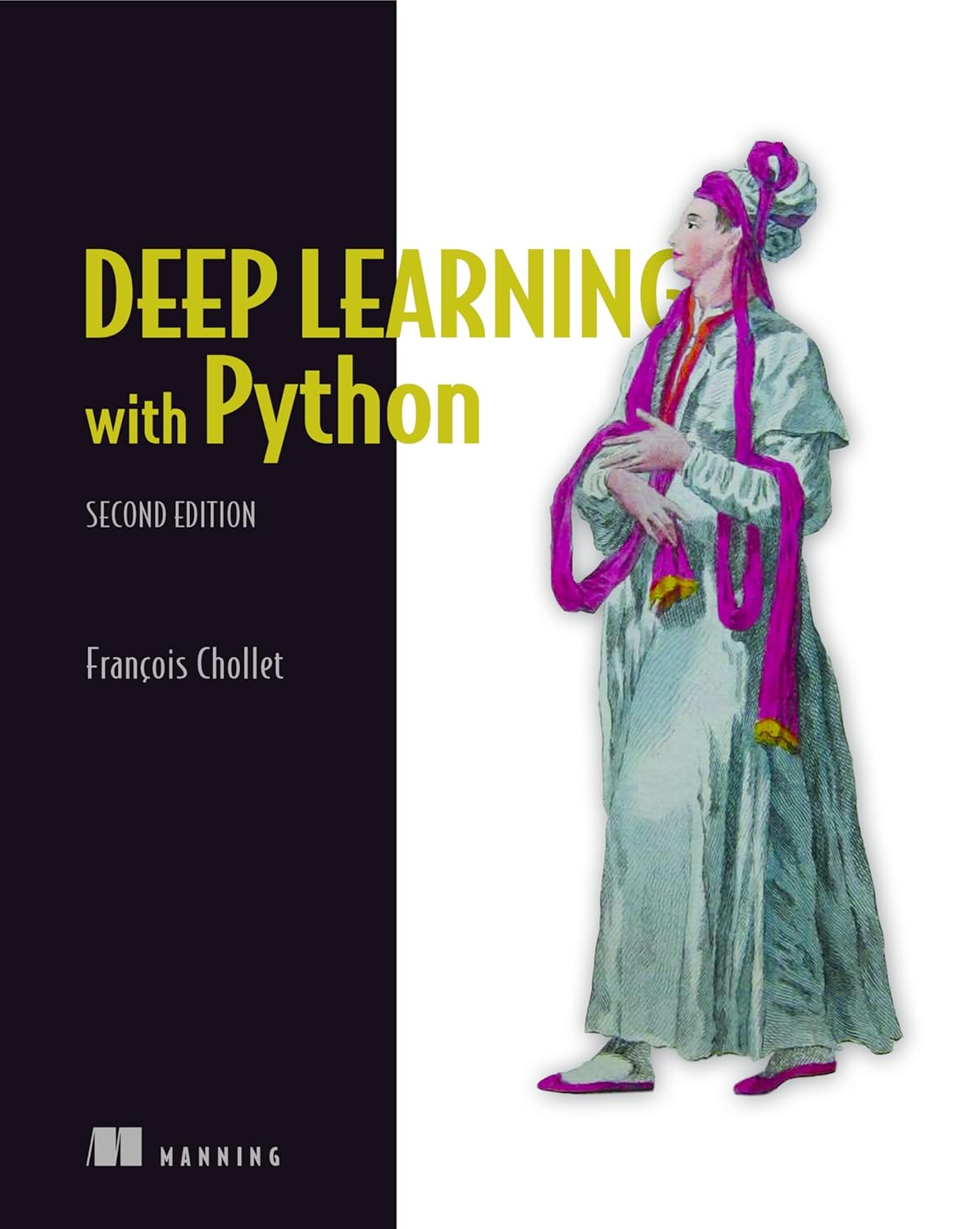
The creator of Keras teaching from scratch, with working code and zero pedantry.
As an Amazon Associate, Zendoric earns from qualifying purchases; the price does not change for you. · all our recommended books →
🔗 Related on Zendoric
- From copier to tutor: how teachers can turn AI into a real learning tool · 2026-06-28
- An 'AEO' tools market emerges to measure whether ChatGPT and Gemini cite your brand · 2026-09-12
- Anthropic points the finger at Alibaba: the AI frontier is starting to defend itself with lawyers, not just code · 2026-06-25