AI in the classroom: New York bans it by decree, Puerto Rico makes it official with Copilot, and the evidence is missing
🕒 Published on Zendoric: September 24, 2026 · 00:26
✨ AI-generated · how it's made
New York suspended generative AI for a year for 600,000 students from pre-K to eighth grade, by decree and without legislation. Puerto Rico did the opposite in January: it made Microsoft Copilot official for students over 13. Two opposite bets, neither backed by solid evidence.
📚 Go deeper

The definitive piece of investigative journalism on OpenAI: 260+ interviews, the clash between safety and speed, and the attempted firing of Sam Altma
As an Amazon Associate, Zendoric earns from qualifying purchases; the price does not change for you. · all our recommended books →
By El Nuevo Día · September 23, 2026. On September 2, New York banned the use of generative artificial intelligence —ChatGPT- or Copilot-style systems that produce text, images or answers from prompts— for some 600,000 students from pre-K through eighth grade, for one year. The striking part, as attorney Jaime Farrant Mena notes in his opinion column, is not so much the ban as the mechanism: it was decreed administratively by the mayor and his education chief, with no need to pass any law.
Thousands of kilometers away, Puerto Rico is moving in the opposite direction. In January 2026, the Department of Education published the Manual de la IA para Estudiantes, which designates Microsoft Copilot as the official recommended platform for students aged 13 and up. While New York closes the door on these tools in elementary and middle school, Puerto Rico picks a single vendor and turns it into public policy for secondary education.
Farrant points to the heart of the problem: no one has presented evidence that the best way to close the education gap —that distance in resources and outcomes between schools and students— is to put chatbots in charge of teaching children. It is an apt observation, and it is worth underscoring it for what it is, his reading as a lawyer, and not a fact verified by any study cited in the column: both the New York ban and Puerto Rico's adoption were decided administratively, without legislative debate. Choosing a single vendor through a Department of Education manual also raises a governance question that goes beyond pedagogy: what controls exist to keep an education system from being tied to the commercial roadmap of a single technology company.
As sector context, the underlying debate is not exclusive to these two education systems: the evidence on generative AI's real impact on learning remains scarce, and the column cites no study on the matter. The problem is no longer access —free courses and tools are multiplying— but whether the tool replaces the student's effort or supports it.
Our reading is that the dispute between banning and making it official is a false dichotomy if neither option rests on evidence of what actually works in the classroom. Banning by decree is as easy to reverse —and as legally flimsy— as imposing a single vendor through an administrative manual; both are quick answers to a problem that demands pilots, measurement and time. What does seem reasonable to argue is that the classroom that gains from AI is the one that turns it into a tutor and a scaffold under the guidance of a teacher who orchestrates its use, not the one that lets it replace the explanation or the student's effort. In the short term, the lack of clear frameworks —a change of mayor or education secretary is enough to reverse the policy— will multiply these patches: bans, manuals and disconnected administrative decisions, in New York, in Puerto Rico and in any education system improvising as it goes. In the long term, the underlying promise does not change: well-designed AI, used as a personalized tutor under the guidance of a teacher who orchestrates it, can offer the individual support that no mass education system has managed to provide until now. Getting there, however, requires measuring before legislating by decree, something neither New York nor Puerto Rico has done so far.
📚 Go deeper

THE AI textbook: used by 1,500+ universities.
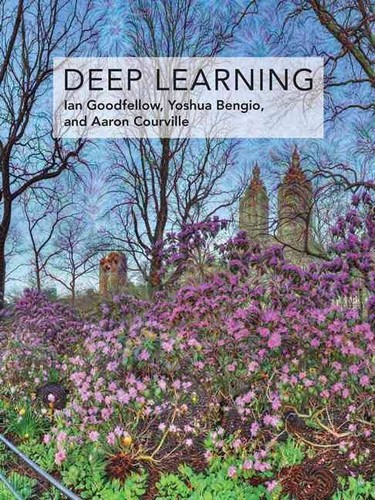
The academic "bible" of deep learning, with a Turing Award winner among its authors, and legally free on the web.
As an Amazon Associate, Zendoric earns from qualifying purchases; the price does not change for you. · all our recommended books →
🔗 Related on Zendoric
- New York bans generative AI for under-13s but lets teachers use it: the education paradox · 2026-09-05
- New York bans generative AI for 600,000 younger students — a pause with a clock, not a verdict · 2026-09-02
- New York bans AI in elementary school; Rochester districts choose to teach students to use it without letting it do the work · 2026-09-05