New York bans generative AI for 600,000 younger students — a pause with a clock, not a verdict

🕒 Published on Zendoric: September 2, 2026 · 08:27
✨ AI-generated · how it's made
New York City will block student-facing generative AI from pre-K through eighth grade for the 2026-2027 school year, affecting roughly 600,000 children — about two-thirds of its public enrollment. The striking part isn't the ban; it's the asymmetry: teachers keep AI for lesson planning but are barred from using it to grade. That line — tools for adults, human relationships for kids, and no algorithm on consequential judgments — is the most defensible version of caution we've seen from a school system this large.
📚 Go deeper
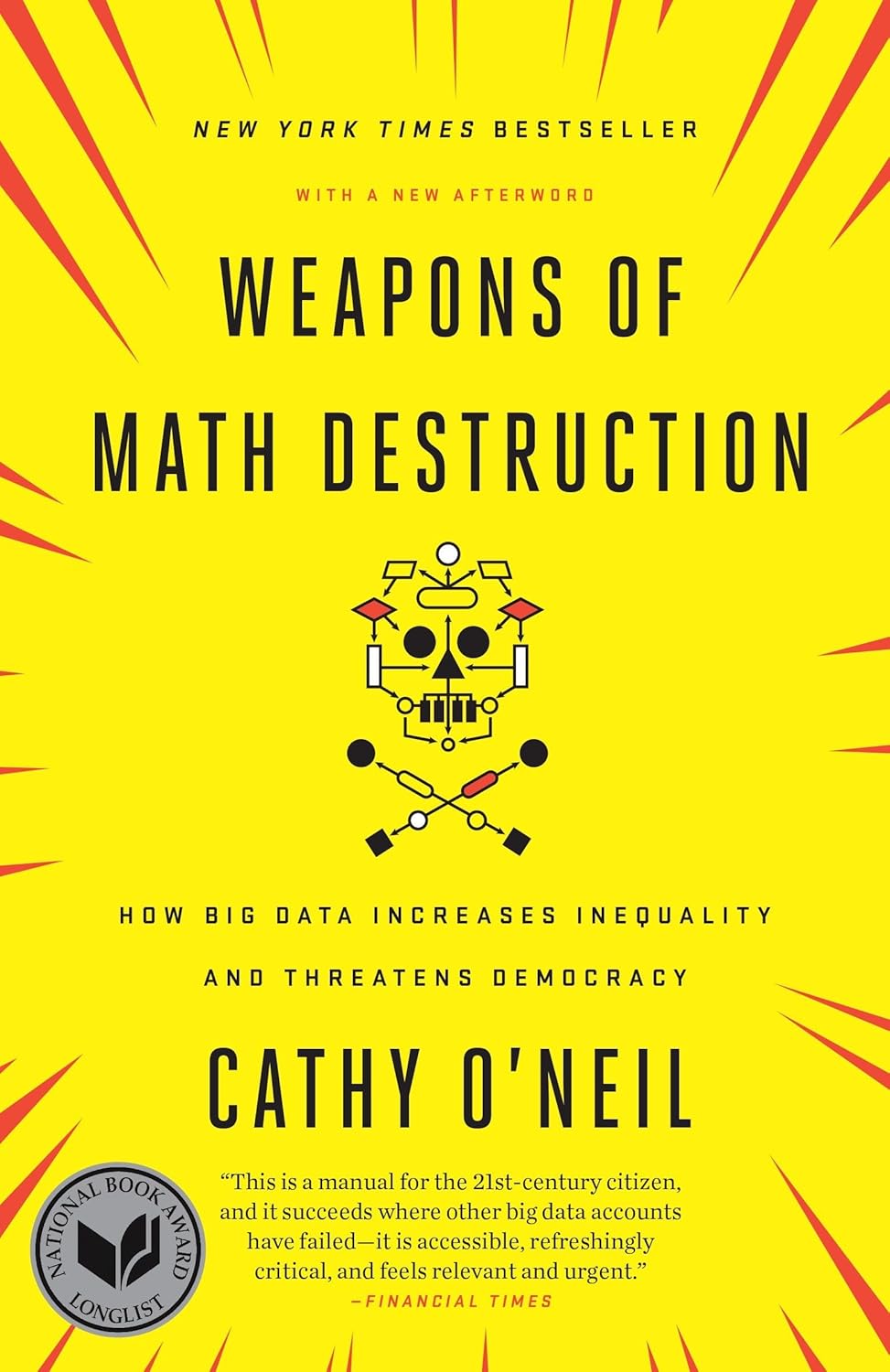
How opaque algorithms decide who gets credit, a job or parole — and why they tend to punish the same people.
As an Amazon Associate, Zendoric earns from qualifying purchases; the price does not change for you. · all our recommended books →
New York City will suspend student-facing generative AI in its public schools from 2-K through eighth grade for the 2026-2027 academic year, according to the announcement by Mayor Zohran Mamdani and schools Chancellor Kamar Samuels. The pause covers generative AI software aimed at students, explicitly including companion chatbots used inside the school environment. It reaches nearly 600,000 pupils — roughly two-thirds of total public enrollment — and takes effect with the return to class scheduled for September 10. City officials describe it as one of the broadest such restrictions in the country.
Our thesis: this is not a rejection of AI in education. It is a sequencing decision — who gets the tool, at what age, for which task — and read that way, most of the policy is coherent. The device rules follow the same logic: no laptops or tablets in class for pre-K through second grade, limits on laptops for grades three through eight, and recommended daily screen budgets of 30 minutes (grades 3-5) and 45 minutes (grades 6-8) — time measured in minutes, not hours. High school is treated differently: a limited number of classrooms may run supervised pilots, and students get semester-long AI literacy modules covering bias, ethics and critical thinking. A coalition of students, parents, educators and elected officials will evaluate the impact and issue recommendations during the year.
The most interesting clause is the one about adults. Teachers may use AI for lesson planning and operational tasks that meet safety rules, but may not use it to grade student work or for crisis management. That is not a screen-time rule; it is a governance principle, and it lands exactly where we've argued the debate is heading: the standard for automated decisions is shifting from "does it get it right" to "can it be explained and appealed." A grade is a consequential judgment about a child, and the city has decided a human has to own it. Expect that framing — no algorithm on decisions that need a justification — to migrate well beyond schools.
The honest costs deserve naming. There is no cited evidence base here in either direction; the article notes the Department of Education spent months gathering input from legislators, tech companies and parents, and that in May many parents voiced concern — some fearing harm, others simply admitting they did not understand the tools. Policy made under genuine uncertainty is legitimate, but it cuts both ways. A school-only ban does not stop AI at the front door: children in better-resourced homes will keep using chatbots as tutors after school, so the gap this closes inside the building may widen outside it. And a pause with no measurable exit criteria tends to become permanent by inertia — the review coalition is the safeguard against that, and its recommendations are the thing worth watching next year.
Our read: precaution with a clock is defensible; precaution without one is abdication. The reason to be relatively comfortable here is that early education is the one place where the product being sold — a conversational substitute for a relationship — is most clearly mismatched to the need. Mamdani's argument that AI-driven early schooling is neither inevitable nor necessary is a political claim, but it's a reasonable one to test rather than assume. And it fits the pattern we've tracked across sectors: the winning teacher is the one who orchestrates AI, not the one replaced by it — which is precisely the split this policy encodes, with adults holding the tool and children holding the room.
Longer term, we don't read this as a brake on the trajectory. The world where AI compresses drug discovery, extends healthy life and produces enough abundance that people work on what they love still needs humans who can reason unaided — that capacity is built at seven, not at seventeen. A generation taught to think first and prompt second will be better at using these systems, not worse. New York has bought itself a year and a review committee. The test of this policy is whether it uses them.
📚 Go deeper
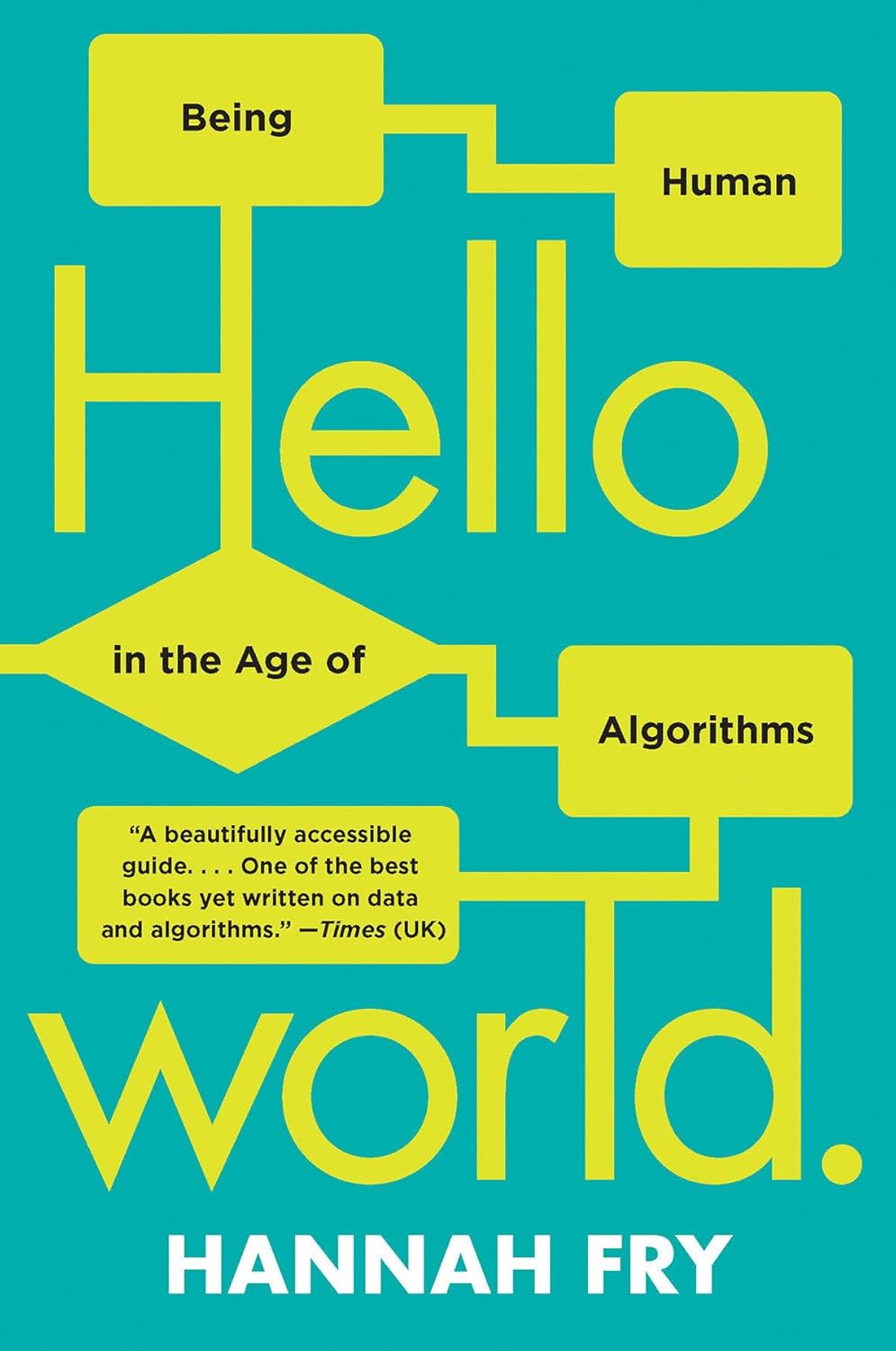
Algorithms in justice, medicine, cars and art, explained with British humor and mathematical honesty.
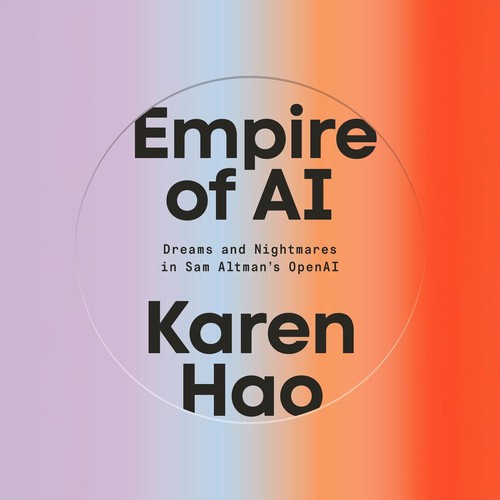
The definitive piece of investigative journalism on OpenAI: 260+ interviews, the clash between safety and speed, and the attempted firing of Sam Altma
As an Amazon Associate, Zendoric earns from qualifying purchases; the price does not change for you. · all our recommended books →
🔗 Related on Zendoric
- Katy ISD hands out AI access by age: no generative chats until 8th grade · 2026-07-25
- New York bans generative AI through 8th grade: the largest school district in the U.S. bets on teaching it, not avoiding it · 2026-09-03
- When AI Meets Child Exploitation: A Teacher's Arrest Signals a Legal Reckoning · 2026-07-04