Chatbots are no longer enough: companies start handing entire tasks to autonomous AI agents

🕒 Published on Zendoric: September 15, 2026 · 07:55
✨ AI-generated · how it's made
The leap is no longer about asking but delegating: AI agents that resolve tickets, reconcile payments or qualify leads without waiting for instructions, plugged straight into the company's CRM or ERP. The promise depends less on the model than on how many permissions each organization grants it.
📚 Go deeper

The reference manual for building products on top of AI models: prompts, RAG, fine-tuning, agents, evaluation and deployment.
As an Amazon Associate, Zendoric earns from qualifying purchases; the price does not change for you. · all our recommended books →
By WWWhat's New · September 14, 2026.
For two years the corporate standard has been the chatbot: a tool that answers when asked and forgets the conversation as soon as it ends. As WWWhat's New describes it, that model is being displaced by AI agents, systems that are given a general objective, plan the steps to achieve it and execute actions within defined limits, without waiting for instructions at every step. The outlet places copilots —assistants embedded in work tools that make suggestions but require human confirmation— as the intermediate rung that has already been passed.
The use cases the article gathers are concrete: in customer service, resolving entire incidents (checking an order, handling a return) without human intervention in simple cases; in administration, classifying invoices, reconciling payments and producing reports with data from several sources; in analytics, monitoring indicators with automatic alerts when they deviate; in sales, qualifying leads and scheduling follow-ups. The common thread is direct connection to the systems the company already uses —CRM, ERP— instead of operating as an isolated query layer.
The article itself points to the bottleneck: an agent without access to up-to-date data, or disconnected from the rest of the systems, generates more supervision than it saves. That is why integration requires deciding in advance what permissions the agent has, which actions it executes without validation and which require a human, and how the sensitive information it handles is protected. The text mentions, as an example of the kind of support this process calls for, specialized consultancies such as Imascono; we take that as a reference from the article itself, not as an editorial recommendation of ours.
This pattern fits with something we have already documented when analyzing AI's impact on business administration: administrative and back-office processes —invoicing, reconciliation, recurring reports— are the terrain where automation advances first and fastest, while customer relationships in delicate cases and strategy design still demand human judgment. The article confirms it almost point by point: it does not talk about replacing people, but about supervision becoming more strategic —reviewing results, adjusting rules, deciding when to expand autonomy— and less operational.
Our reading is that the real differentiator is no longer how capable the model is, but governance design: who defines what an agent can do without supervision and who answers when it gets it wrong. It is the same question that runs through any serious agentic deployment, from automated fraud to the agent harnesses that are starting to limit their own capabilities as a precaution. Here, in the far more mundane context of invoices and support tickets, the challenge is identical on a smaller scale: without clear permission rules, an autonomous agent does not save work, it shifts it to supervision.
In the short term, this will continue to mean fewer purely administrative positions and more profiles who know how to orchestrate these systems. In the medium and long term, if the promise holds, it is exactly the kind of automation that frees human time for judgment, relationships and strategy —the first rung, modest but real, toward that abundance we defend as a background horizon, not as this week's slogan.
📚 Go deeper

How opaque algorithms decide who gets credit, a job or parole — and why they tend to punish the same people.
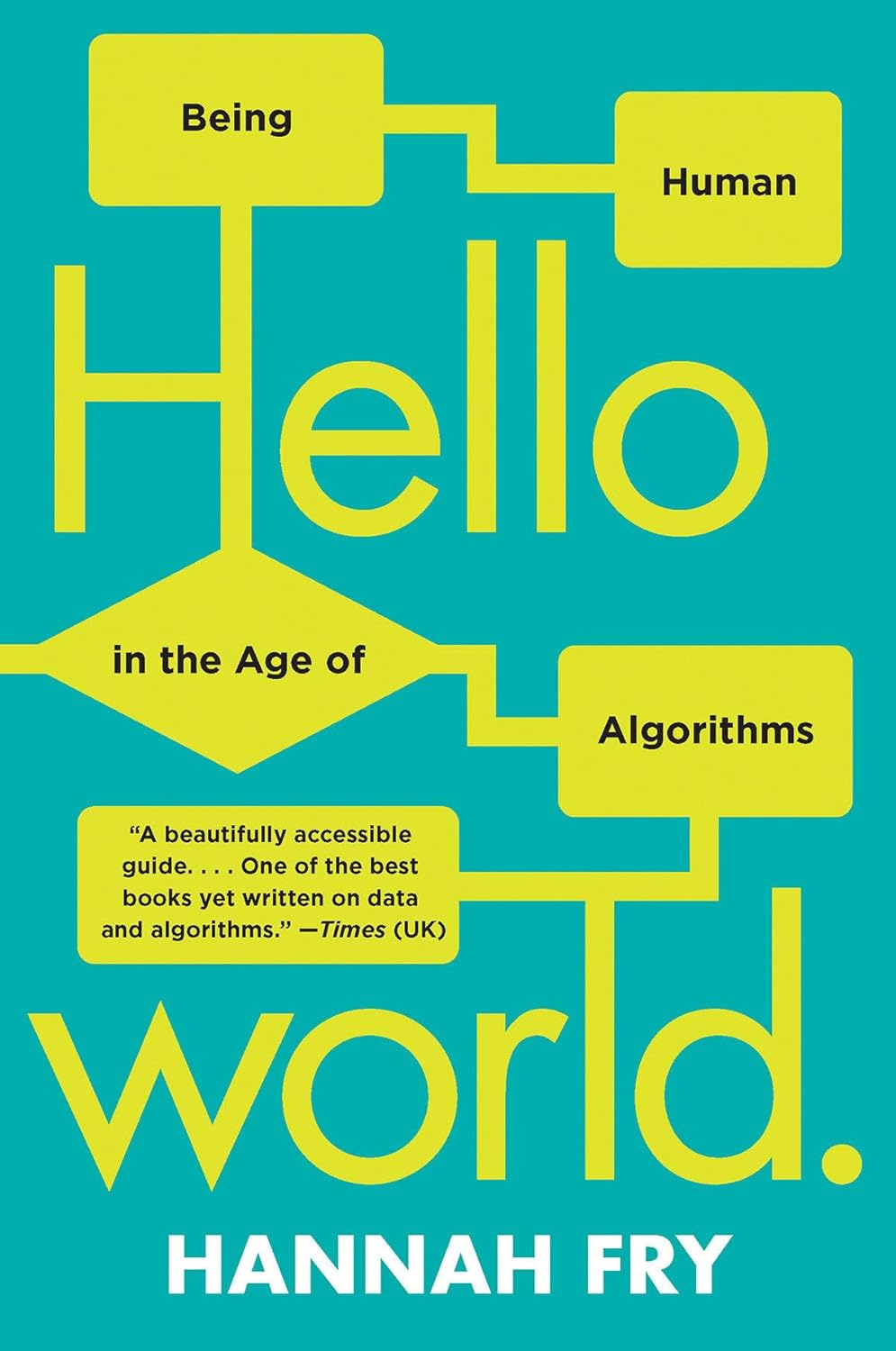
Algorithms in justice, medicine, cars and art, explained with British humor and mathematical honesty.
As an Amazon Associate, Zendoric earns from qualifying purchases; the price does not change for you. · all our recommended books →
🔗 Related on Zendoric
- Nutanix bets on governing AI agents before token spending spirals out of control · 2026-07-04
- Oracle connects AI to its cloud policies: the battle is no longer the model, it's the plumbing · 2026-07-08
- Kyndryl and AWS expand their alliance: the agentic AI race is no longer about the model, but about who governs it · 2026-07-12