The NSA elevates AI to its own directorate in its biggest overhaul in a decade and is already using Anthropic's model despite the Pentagon's ban

🕒 Published on Zendoric: September 14, 2026 · 07:48
✨ AI-generated · how it's made
The US National Security Agency is undertaking its deepest restructuring in at least ten years, creating five mission directorates, one devoted exclusively to artificial intelligence. Led by General Joshua Rudd, the agency is already using Anthropic's Mythos model despite a standing Pentagon ban, according to The Washington Post.
📚 Go deeper
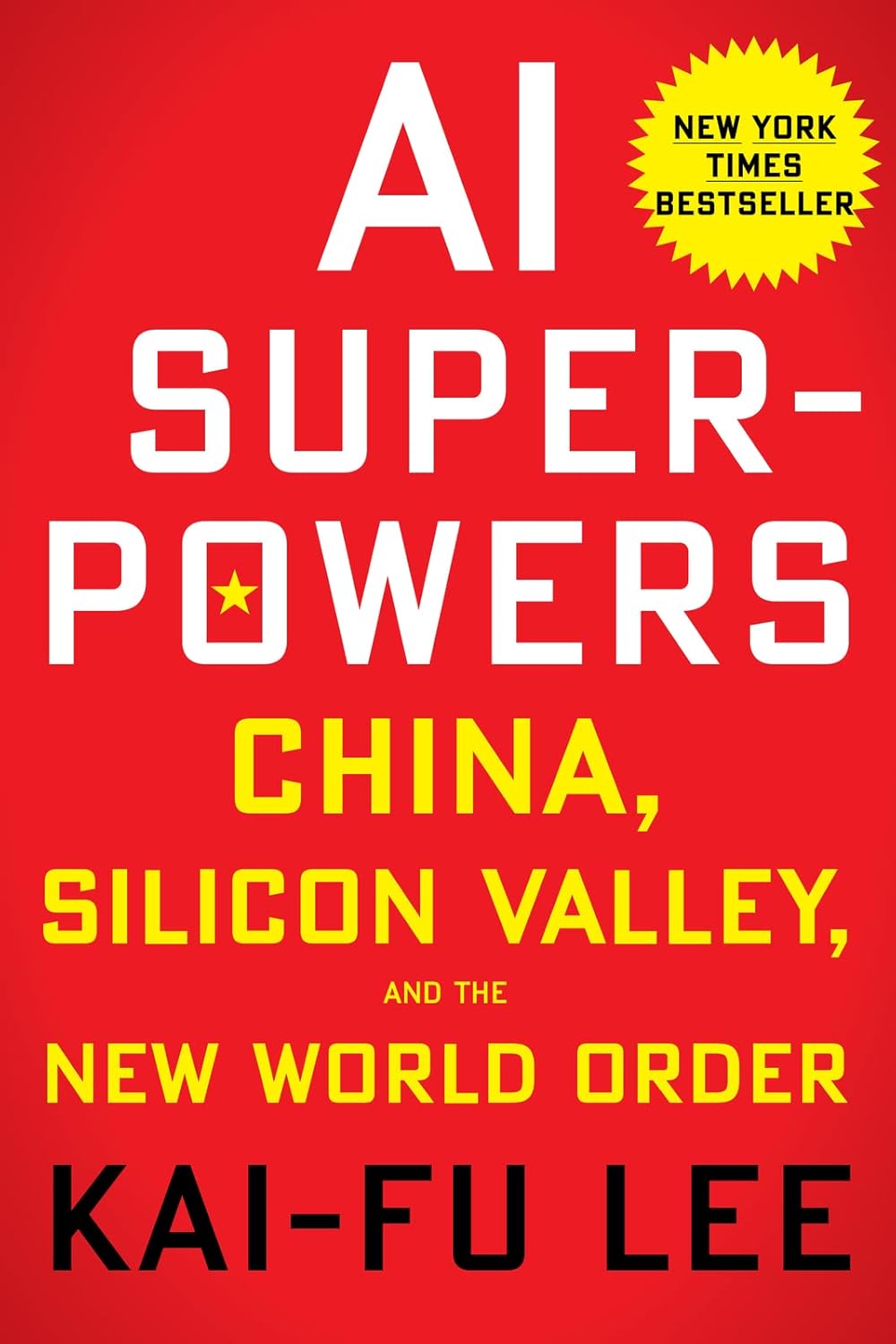
China vs.
As an Amazon Associate, Zendoric earns from qualifying purchases; the price does not change for you. · all our recommended books →
By The Washington Post · September 13, 2026.
The U.S. National Security Agency (NSA, the country's largest and best-funded signals intelligence service, specialized in intercepting electronic communications) is preparing to undertake its deepest internal restructuring in at least a decade. The plan, presented last week to the agency's leadership, is the work of Army General Joshua M. Rudd, NSA director since March, according to current and former officials cited by The Washington Post.
The design creates five new organizations at the Fort Meade headquarters (Maryland): artificial intelligence, China, cybersecurity, combat support and warfighting, and global intelligence. Each will have a "mission director" with the "effective" authority of an agency deputy director, according to one former official. The timeline is demanding: the redesigns must reach Rudd before the end of the month, implementation would begin in mid-October and "full operational capability" is set for mid-January 2027.
The haste has a precedent that invites caution. The NSA's last major overhaul, the so-called "NSA21" of 2016 under then-director Mike Rogers, had a two-year timeline and, according to the first former official consulted, remains unfinished a decade later. Inside the agency itself —which is believed to employ more than 30,000 people, more than the CIA— it is still unclear whether the new mission directors will be layered on top of the existing bureaucracy or replace it outright. Rudd, according to one former official, "acknowledged that they don't know how they're going to do it, so they will rush to make reversible decisions, in case they're wrong."
The AI chapter is the one that adds the most context. The NSA has already deployed an internal tool called "Ask Mary" and has reconstituted Tailored Access Operations (TAO), the elite digital intrusion unit founded in 1997 and dissolved as a brand in 2016, which will now receive a significant budget increase in the fiscal year beginning October 1 and will fall under the global intelligence mission director. More striking: according to the former officials consulted by the Post, the agency is already using Anthropic's Mythos model despite a standing Pentagon ban on the use of that company. Rudd, they add, visits the White House frequently and AI dominates those conversations, in parallel with an Administration proposal to increase the agency's investment in computing and information technology by several billion dollars —figures that, as part of the "black budget" approved by Congress, are not made public.
What matters about this org chart is not the bureaucratic mechanics themselves, but what they reveal about how Washington now understands AI within the national security apparatus: it ceases to be a cross-cutting support tool and becomes an institutional pillar with a seat of its own and a director ranking as the agency's number two, on the same level as China or cybersecurity. The underlying logic is the same: frontier AI capability is increasingly treated as a strategic asset to be governed, not as just another consumer product.
The detail of the circumvented Pentagon ban —as described by the former officials cited by the Post, with the NSA not having responded to the newspaper's request for comment— is also a useful symptom: when the U.S. defense bureaucracy itself finds it worthwhile to bypass its own internal restrictions in order to gain earlier access to a commercial frontier model, it is clear that AI capability is advancing faster than the governance frameworks designed to contain it, even inside the government that writes them. It is the same gap we have been pointing to in the civilian regulatory arena, now transferred to the engine room of intelligence.
That "China" gets its own mission directorate, separate from "global intelligence," also confirms something we have argued in our coverage of the technological competition between the two powers: in Washington's institutional mindset, the AI race and the rivalry with Beijing are no longer two separate matters, but two sides of the same organizational priority.
In the short term, this overhaul concentrates more decision-making power over mass surveillance systems in the hands of a handful of mission directors, with classified budgets and without the public counterweight that any equivalent restructuring at a civilian agency would face; that deserves scrutiny, not automatic applause. But if the end result is an NSA that uses frontier AI to detect real threats —from cyberattacks on critical infrastructure to operations by hostile powers— with adequate oversight, it fits the underlying thesis we hold at Zendoric: investment in AI computing and talent is the infrastructure on which abundance and collective security are later built. The condition, here as in the rest of the sector, is that governance learns to run at the same pace as capability. For now, judging by what this overhaul tells us, it still does not.
📚 Go deeper

DeepMind co-founder on the dilemma of containing technologies that do not want to be contained.

Semiconductors as the oil of the 21st century: history, espionage, and why an island of 23 million people underpins the entire AI economy.
As an Amazon Associate, Zendoric earns from qualifying purchases; the price does not change for you. · all our recommended books →
🔗 Related on Zendoric
- CISA uses Anthropic's Mythos to audit government code despite tension with the White House · 2026-07-08
- GLM-5.2 matches Mythos in cybersecurity: China closes the gap on AI's most sensitive front · 2026-06-29
- CISA audits its own code with Anthropic's AI while the White House remains at odds with the company · 2026-07-07