A local Virginia channel warns of "dangerous" AI advice on sleep apnea, but does not publish why

🕒 Published on Zendoric: September 8, 2026 · 00:18
✨ AI-generated · how it's made
WDBJ7, a local television station in Roanoke, Virginia, is promoting a health segment on AI and sleep apnea with an alarmist headline. The available text contains not a single data point, example or medical source: only the navigation template from its website.
📚 Go deeper

The only novel on the list, by a Nobel laureate: an artificial friend observes humans with a blend of lucidity and innocence no essay achieves.
As an Amazon Associate, Zendoric earns from qualifying purchases; the price does not change for you. · all our recommended books →
By Zendoric · September 8, 2026. The source material for this piece is, in practice, a headline with no body. WDBJ7, the local television station in Roanoke (Virginia, US, owned by Gray Media), announced on September 7 a segment in its "Hometown Health" series titled 'AI Might Be Giving You Dangerous Advice About Sleep Apnea'. The content is a local TV video; the text accompanying the link is nothing but the site's navigation template, with no transcript, no quote from any doctor, no mention of which chatbot or model is at issue, and not a single concrete detail about what erroneous advice is being attributed to AI.
We are not going to fill that gap with assumptions. It would be easy to imagine the content —many segments of this kind warn about patients who ask a chatbot whether their snoring or daytime fatigue is sleep apnea and receive reassuring or incomplete answers— but we do not have the data, the quote or the medical source to support it in this specific case. Publishing that as fact would mean inventing what the source does not say.
What we can offer is context. In general, concern about the use of AI chatbots for medical self-diagnosis is a well-documented issue in the healthcare sector: there are recurring warnings that general-purpose language models can downplay serious symptoms, give outdated information or fail to distinguish between a trivial condition and one that requires a polysomnography (the sleep study that reliably diagnoses apnea). Sleep apnea is no minor matter: it repeatedly interrupts breathing during sleep and its underdiagnosis is associated with higher long-term cardiovascular risk, according to established medical literature. A patient substituting that test with a chatbot's opinion is indeed a real and known risk, not a fear invented by the local press.
Our read, with the caution such scant material demands, is that this piece neatly illustrates the short-term tension we have been pointing to: general-purpose AI, used outside a supervised clinical context, can cause concrete harm through a user's excessive trust in an answer that sounds authoritative but is not. That does not contradict AI's longer-term promise in medicine —specialized, clinically validated models are being developed to detect sleep apnea and other conditions— but it does confirm that the leap from "general consultation tool" to "substitute for medical diagnosis" is exactly where the barrier should stand. The healthcare abundance we defend as a horizon runs through systems designed and audited for that purpose, not through asking a generic assistant whether a snore is worth worrying about.
📚 Go deeper
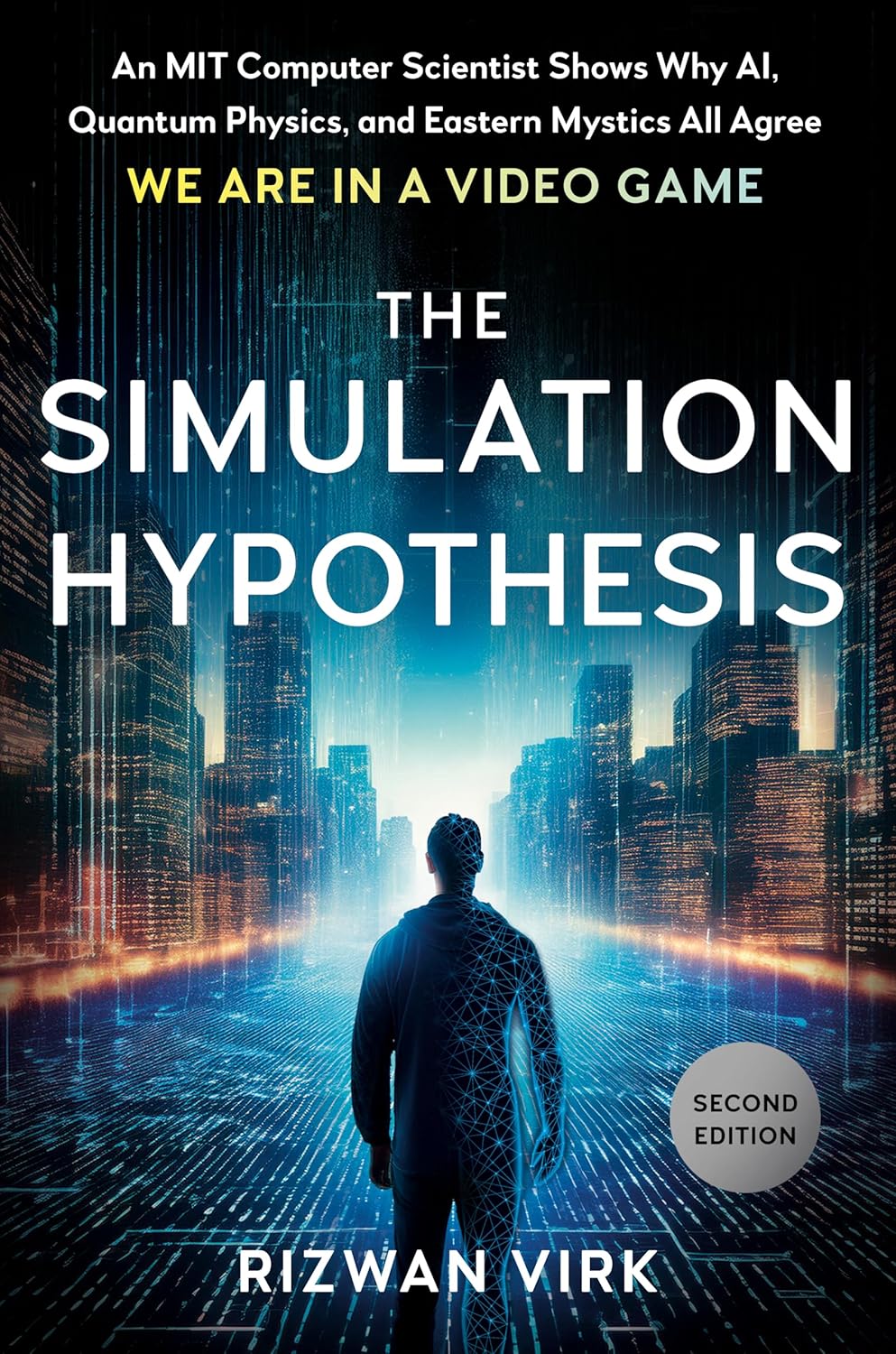
An MIT computer scientist connects AI, quantum physics and video games to take an uncomfortable question seriously: what if we live in a simulation? M

The memoir of the creator of ImageNet, the scientist who made the deep learning revolution in vision possible.
As an Amazon Associate, Zendoric earns from qualifying purchases; the price does not change for you. · all our recommended books →
🔗 Related on Zendoric
- A Virginia health system reminds us AI does not replace the doctor: the missing piece is the evidence · 2026-07-25
- A headline without facts: the vague story of an 'out-of-control' OpenAI model already reaching the U.S. Congress · 2026-07-24
- Moonshot AI seeks more Nvidia Blackwell chips to train its next model · 2026-07-30