A Virginia health system reminds us AI does not replace the doctor: the missing piece is the evidence
🕒 Published on Zendoric: July 25, 2026 · 00:23
✨ AI-generated · how it's made
Sentara, a Virginia hospital network, warns in a local report that AI cannot replace the doctor. The available material is a short video with no technical details, so here are the bare facts and the context we can add.
📚 Go deeper
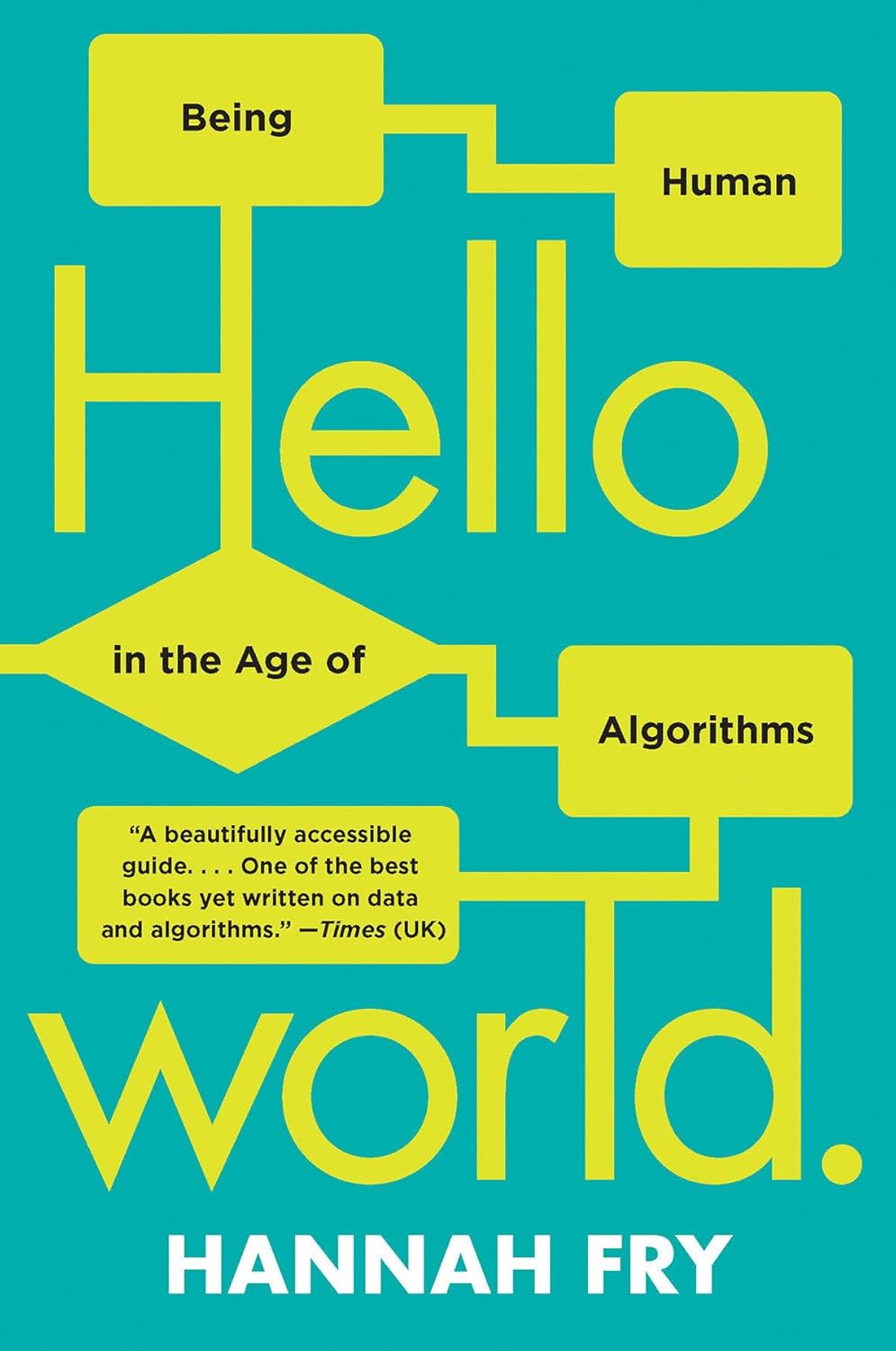
Algorithms in justice, medicine, cars and art, explained with British humor and mathematical honesty.
As an Amazon Associate, Zendoric earns from qualifying purchases; the price does not change for you. · all our recommended books →
By 13News Now · July 24, 2026. The original piece is a short video by local station 13News Now (Norfolk, Virginia) in which Sentara, one of the state's largest health systems, delivers a simple message: artificial intelligence cannot replace the doctor. The available material includes no figures, cited studies or direct quotes from Sentara officials, so we cannot draw out any more concrete facts than the headline offers.
That said, the message fits a trend we have been observing in the healthcare sector: medical institutions are beginning to actively communicate the limits of AI, not just its capabilities. It is no coincidence that it comes just as the adoption of AI-assisted diagnostic tools spreads across radiology, pathology and clinical triage. The more real-world hospital trials are published, the clearer the distinction becomes between what AI does well —detecting patterns in images, prioritizing cases, suggesting differential diagnoses— and what remains the doctor's domain: the relationship with the patient, clinical judgment in the face of uncertainty, and ultimate responsibility for a decision.
This institutional caution makes economic and legal sense as well as clinical sense: a health system that promoted AI as a replacement for the doctor would expose itself to a liability and patient-trust problem that no hospital wants to take on today. That is why the message that "AI does not replace the doctor" has become almost an obligatory refrain in any healthcare communication about AI, regardless of how far the underlying technology has advanced.
Our reading, with the caution demanded by a video lacking technical detail, is that the headline does not contradict the underlying optimism about medical AI: the thesis that the technology can help eradicate diseases and improve health in the long term does not depend on AI replacing the doctor, but on enhancing them. The pattern we already documented with the rollout of diagnostic AI in the United Kingdom —where real value is measured in hospitals with full waiting lists, not in laboratory benchmarks— points in the same direction: AI is gaining ground as a support tool, while medical judgment remains irreplaceable in the short term. The interesting thing will be to see, with real data from these rollouts, where that line is drawn within five or ten years.
📚 Go deeper

The best starting book if you're not technical: a Wharton professor explains how to work WITH AI — when to delegate, when to supervise, when to keep i
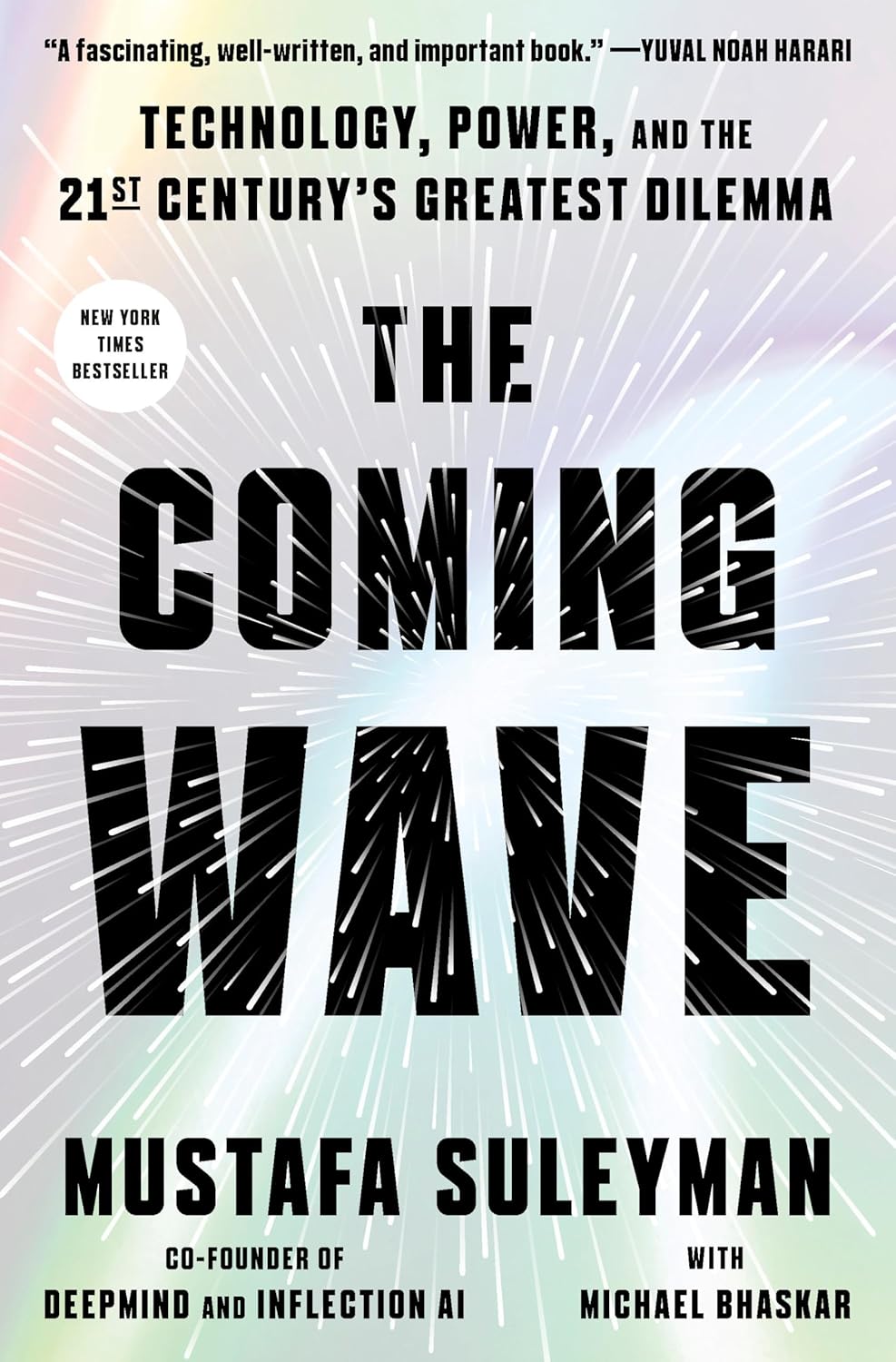
DeepMind co-founder on the dilemma of containing technologies that do not want to be contained.
As an Amazon Associate, Zendoric earns from qualifying purchases; the price does not change for you. · all our recommended books →
🔗 Related on Zendoric
- Cone Health brings AI into the cardiac operating room: when planning, not just diagnosis, starts leaning on algorithms · 2026-06-25
- UCLA Health bets on AI for cancer detection: another sign that precision medicine is no longer just a promise · 2026-06-26
- Ohio requires its school districts to have an AI policy, but the video doesn't reveal the substance of the debate · 2026-07-08