AI gets into bed: for 37% of Gen Z, having an artificial partner already counts as cheating
🕒 Published on Zendoric: September 6, 2026 · 11:50
✨ AI-generated · how it's made
Body+Soul's Sex Census 2026 reveals that 37% of Australians aged 18 to 29 now consider having an artificial intelligence partner to be infidelity, almost on par with subscribing to OnlyFans. The generation that grew up with a phone in hand is redrawing, data point by data point, what it means to be loyal.
📚 Go deeper

The best starting book if you're not technical: a Wharton professor explains how to work WITH AI — when to delegate, when to supervise, when to keep i
As an Amazon Associate, Zendoric earns from qualifying purchases; the price does not change for you. · all our recommended books →
By Zendoric · September 6, 2026.
The figure is concrete and comes from a survey, not an anecdote: according to the 2026 Sex Census by the Australian publication Body+Soul, 37% of respondents aged 18 to 29 (Generation Z) consider having an artificial intelligence partner to be infidelity. It is a figure similar to that of those who consider interacting with OnlyFans cheating (over 40%) and higher than that of those who see infidelity in engaging with 'thirst traps', those sexualized photos posted to draw attention (34%).
What is revealing is not only that percentage, but the contradiction surrounding it. The same Generation Z that is especially wary of digital betrayal is, however, more permissive with behaviors that previous generations considered intolerable: around one in five Gen Z do not see infidelity in physical intimacy or in sexting, and a similar proportion tolerates keeping a dating app profile active. The pattern reverses almost entirely among Generation X and boomers, where more than 80% classify physical intimacy as cheating and around 70% say the same of sexting, while they are more lax about low-level digital gestures such as a 'like'.
The experts consulted by the outlet —clinical psychotherapist Julie Sweet, therapist Benjamin Watkins and sexologist Amanda Lambros— agree on the reason: betrayal is no longer measured by physical contact, but by secrecy, emotional intimacy and deception. Watkins notes that a digital conversation can intensify inside a 'bubble' insulated from everyday life —bills, chores, routine— and for that very reason feel unusually intense or idealized. Sweet sums it up through attachment theory: discovering that a partner has poured their emotional attention elsewhere, human or artificial, can hurt as much as physical infidelity.
In general, the public conversation about artificial companionship has been shifting for a couple of years from the tech niche to everyday life, as conversational assistants increasingly capable of sustaining emotional intimacy have become accessible and mainstream. This survey is one of the first quantified —not merely anecdotal— indications that the phenomenon is already discussed in the same terms as a conventional affair, and that the social norms to process it do not yet exist: there is no inherited script for what to do if your partner confides secrets to an AI companion instead of to you.
Our reading: this fits into the uncomfortable, short-term part of the transformation AI brings, the part that has nothing to do with losing a job and everything to do with renegotiating what trust is. It is not a minor problem just because it involves neither bodies nor contracts: if emotional intimacy —not sex— is the terrain where loyalty is really at stake, then a chatbot capable of sustaining a warm conversation available 24 hours a day is, in terms of attachment, as real a rival as a person. The generational gap the survey shows is not a cultural whim; it is proof that those who grew up without distinguishing between digital and 'real' bonds are building, by trial and error, a new rulebook of fidelity, and doing so before therapists, legislators or couples themselves have agreed on the rules. In the long term, if these tools evolve toward genuinely useful companionship against loneliness —and not toward a substitute that hollows out life as a couple—, they could add to relational abundance instead of subtracting from it; but that is still a possibility, not a fact, and this survey documents only the friction, not the resolution.
📚 Go deeper
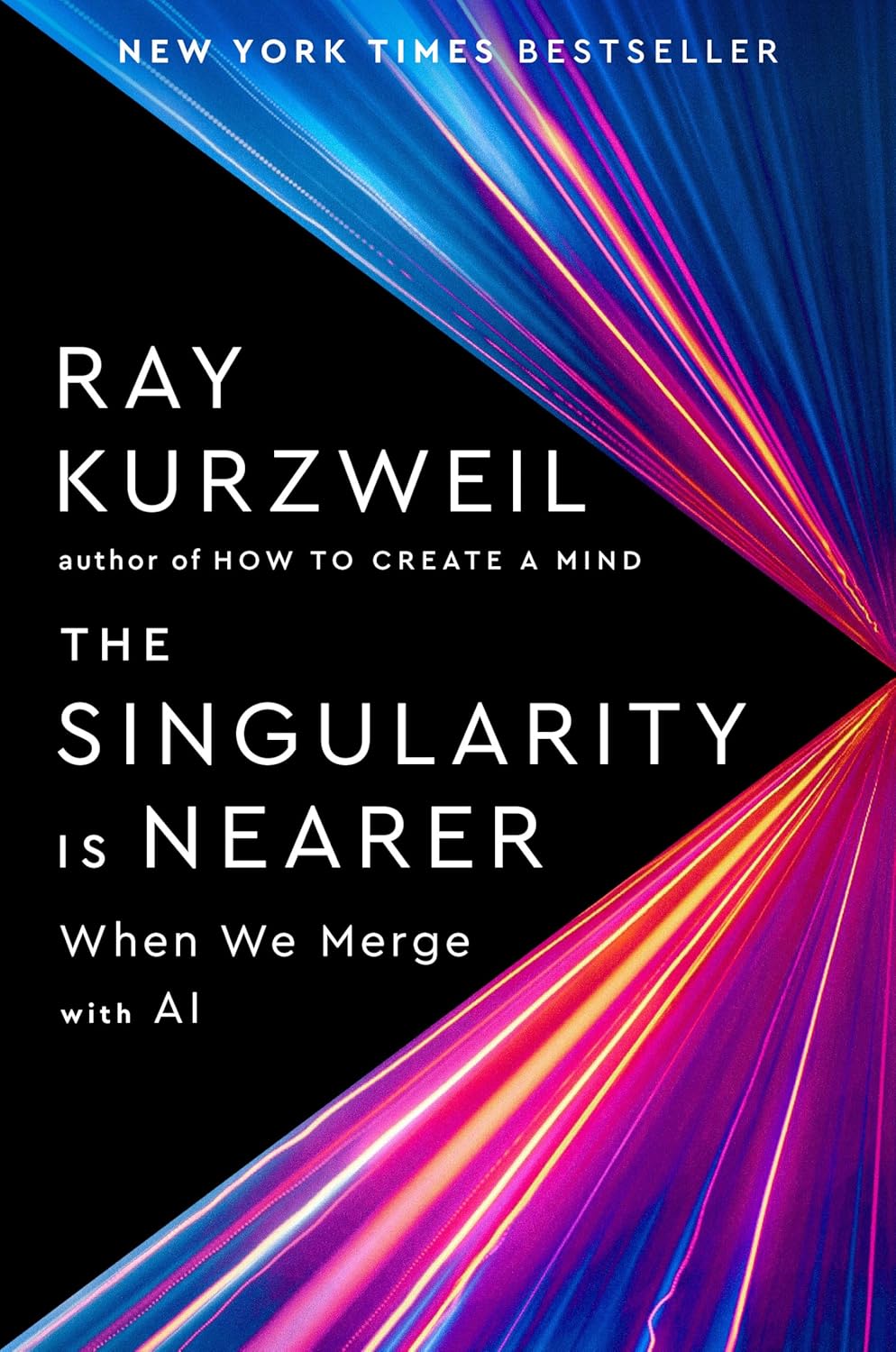
Twenty years after "The Singularity Is Near", Kurzweil revisits his predictions and keeps the date: human-AI merger around 2045.

AI as the latest chapter in the history of information networks, from gossip to the printing press to the algorithm.
As an Amazon Associate, Zendoric earns from qualifying purchases; the price does not change for you. · all our recommended books →
🔗 Related on Zendoric
- Bristol students showcase AI and aerospace projects: the next generation is already touching the future · 2026-06-30
- Hartford bets on teaching AI to its young people before the job market leaves them behind · 2026-07-01
- Netflix reveals about 300 productions used generative AI in 2026, according to its earnings report · 2026-07-21