Netflix reveals about 300 productions used generative AI in 2026, according to its earnings report
🕒 Published on Zendoric: July 21, 2026 · 00:20
✨ AI-generated · how it's made
Netflix confirmed in its investor letter for second-quarter 2026 results that around 300 shows in its catalog used generative artificial intelligence at some point in their production process this year.
📚 Go deeper
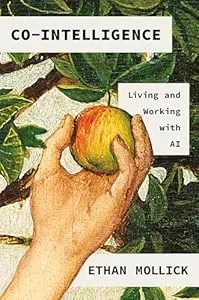
The best starting book if you're not technical: a Wharton professor explains how to work WITH AI — when to delegate, when to supervise, when to keep i
As an Amazon Associate, Zendoric earns from qualifying purchases; the price does not change for you. · all our recommended books →
Netflix confirmed in the shareholder letter accompanying its second-quarter 2026 results that around 300 titles in its catalog have used generative artificial intelligence at some point in their production process this year. The company explained that the use of these tools spans every stage of a production: from conception and previsualization to post-production and final release.
Among the examples cited by Netflix are the Indian sports thriller series "Glory," the Brazilian soccer miniseries "Brasil 70: A Saga do Tri," and the American Revolution docuseries "The American Experiment." According to the company, in these titles generative AI helped create "highly complex sequences," including enlarging crowd sizes and expanding battle scenes that would have been more difficult or costly to film using traditional methods.
"We're increasingly leveraging these tools to deliver higher-quality production, faster and at lower cost than traditional methods," Netflix said in the letter. The company added that, in some cases, productions would have had to forgo key shots and sequences without generative AI technology.
On the financial front, the announcement coincided with the release of second-quarter results: revenue of $12.56 billion, up 13.4% year over year, and net profit of $3.4 billion (80 cents per share). According to data from LSEG Data & Analytics, Wall Street analysts had on average expected revenue of $12.59 billion and earnings of 79 cents per share, meaning the earnings-per-share figure slightly beat expectations.
The disclosure is part of a broader Netflix strategy to incorporate AI across different areas of the business, including content recommendations for users, the advertising business, and the building of an AI-based animation studio. In March, Netflix had acquired InterPositive, the company founded by Ben Affleck, for $587 million, with the goal of giving filmmakers AI tools to use throughout the entire film and television production process.
Netflix co-CEO Ted Sarandos said during the earnings call that, although the InterPositive deal is still in an "early stage," the company has already seen its impact on productions, along with that of other in-house tools. Sarandos specifically highlighted the case of "The American Experiment," where 17 minutes of AI-enhanced footage allowed, in his words, "expanding the scope of the series in a way that wouldn't have been feasible before," being produced "twice as fast and at half the cost" compared with previous options.
Despite this push, Sarandos insisted that Netflix is not looking to replace creative professionals with AI. "We believe you need great artists to make something great, and AI isn't changing that," he said. "Movies are made by people who make movies. AI gives them better tools to make them even better." These remarks echo what he had already told Politico in March, when he argued that AI "should be a tool for the creator," comparable to other production tools that have evolved over time, capable of giving creators possibilities that were previously impossible.
In that interview, Sarandos also noted that the speed and cost savings AI offers only matter if they come with a high level of quality: "I don't think faster and cheaper matters if it's not better," he said. Regarding InterPositive specifically, he explained that the tool will help creators improve their own productions using their daily footage ("dailies"), without eliminating the need for writers, actors or lighting technicians, but rather making the filmmaking process "more effective" and "more efficient."
📚 Go deeper
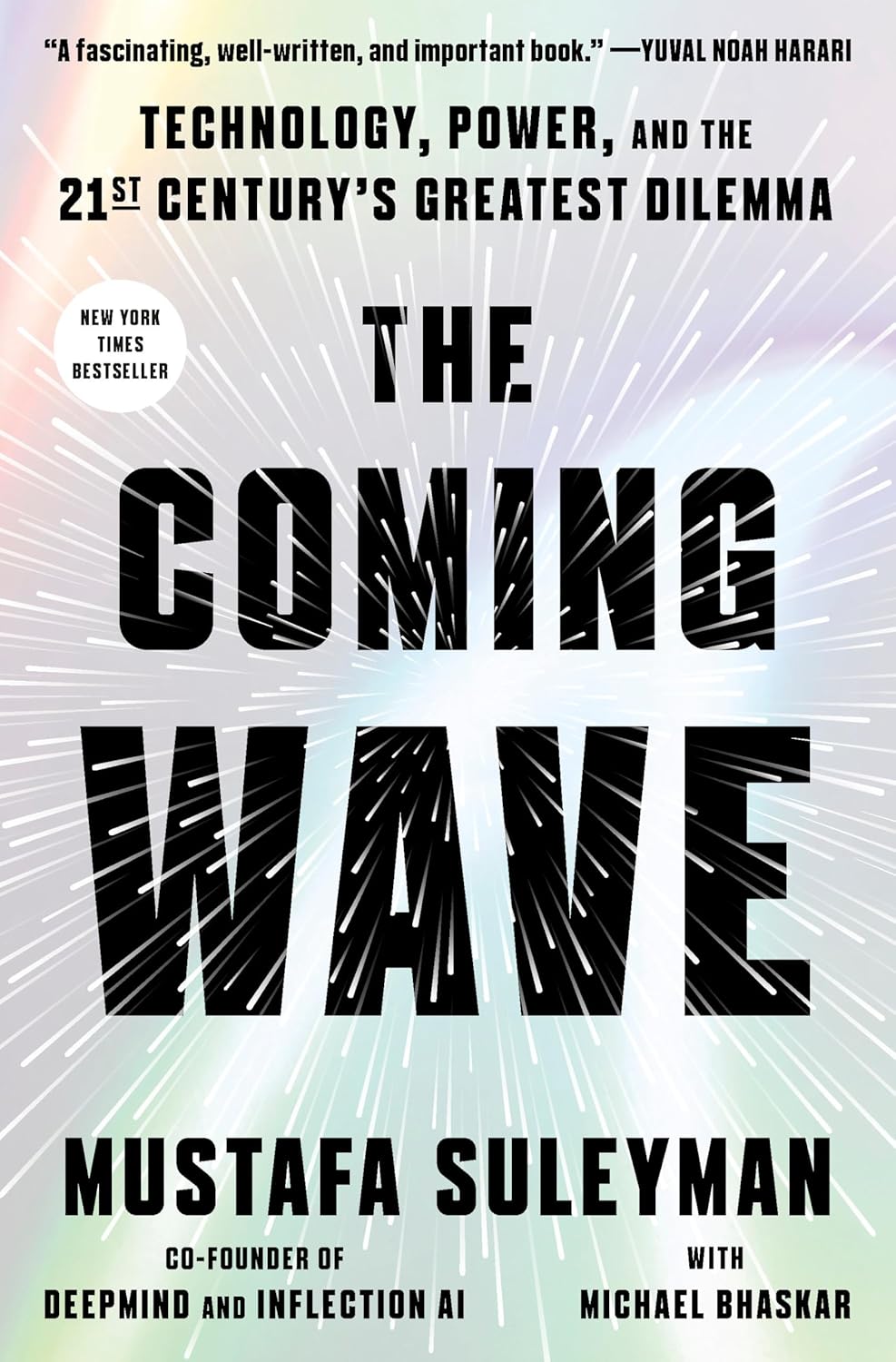
DeepMind co-founder on the dilemma of containing technologies that do not want to be contained.

The reference manual for building products on top of AI models: prompts, RAG, fine-tuning, agents, evaluation and deployment.
As an Amazon Associate, Zendoric earns from qualifying purchases; the price does not change for you. · all our recommended books →
🔗 Related on Zendoric