New York imposes a one-year moratorium on generative AI in elementary and secondary schools

🕒 Published on Zendoric: September 4, 2026 · 09:12
✨ AI-generated · how it's made
New York has taken the most aggressive step to date among large US school districts on artificial intelligence in the classroom.
📚 Go deeper
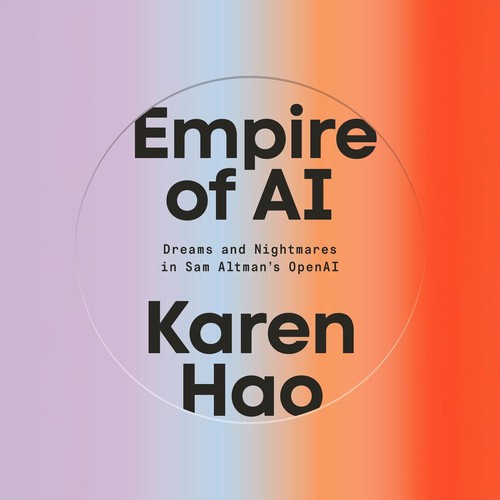
The definitive piece of investigative journalism on OpenAI: 260+ interviews, the clash between safety and speed, and the attempted firing of Sam Altma
As an Amazon Associate, Zendoric earns from qualifying purchases; the price does not change for you. · all our recommended books →
New York has taken the most aggressive step to date among large U.S. school districts on artificial intelligence in the classroom. Mayor Zohran Mamdani announced a one-year moratorium on student-facing AI for grades 2-K through eighth grade, affecting 600,000 students — two-thirds of the city's public school population. The measure comes just before the return to classes next week and fits into a growing bipartisan backlash against Big Tech that has also seeped into schools, with parents pushing to cut back on technology use.
Mamdani was blunt in his speech: "The tech industry wants us to believe that AI in early education is not only inevitable but necessary. We do not see it that way. I have yet to see a study showing that AI is beneficial for elementary and middle school students, with the exception, of course, of research sponsored by the very corporations that profit from it." The mayor also framed the decision in terms of data privacy, saying New Yorkers deserve to know that their children's data will not be exploited by Big Tech.
As part of the plan, the city will "discontinue or disable" the AI components of more than 38 previously approved programs that do not meet the new safety and oversight standards, among them Amira, an AI-based reading tutor. According to Ailish Brady, education adviser to the first deputy mayor, the city will not use products that do not allow their AI features to be turned off. The new guidelines also largely ban the use of individual devices in class for students from pre-K through second grade, and recommend screen limits of no more than 30 minutes for third through fifth grade and 45 minutes for middle school, although those limits are only recommendations, not requirements.
The approach changes radically for high school: Mamdani noted that teenagers are growing up in an "AI-saturated world," so the city will introduce five AI pilots for up to 50,000 high school students — around 5% of the public school population — along with AI literacy classes twice a year for all students at that level. Exceptions are planned for assistive technology aimed at students with disabilities and English learners, as well as for coding assignments and e-books.
The decision does not come out of nowhere: in 2023 New York had already blocked student and teacher access to ChatGPT on Department of Education devices and networks, reversing that stance months later. Elizabeth Laird, of the Center for Democracy and Technology, describes it as a pendulum swinging back in a restrictive direction, underscoring how difficult it is for districts to strike a balance on this issue. Nationally, while federal legislation on AI guardrails in classrooms remains stalled, states such as Virginia, Idaho and Oklahoma have chosen a different route: ordering their education agencies to draw up guidance aligned with existing student data privacy laws instead of imposing strict restrictions. New York, by contrast, has opted for the tougher path.
Reactions have been mixed. Randi Weingarten, president of the American Federation of Teachers (AFT), implicitly backed the measure, noting that it is very similar to what her union proposed in May and arguing that older students need to be digitally prepared and learn to use AI carefully, while younger ones need to learn to think, which requires fewer screens and less "cognitive offloading." Meredith Coffey, of the Thomas B. Fordham Institute (a conservative think tank), supported the pause, arguing that entire districts should not be guinea pigs for a technology that is not fully understood, though she called for more studies on AI in K-12 education. Jeffrey Riley, a former Massachusetts education official and now director of the organization Day of AI, agreed that giving children time to "be children" before teaching them about AI and eventually exposing them to the tools is a sensible approach.
There is criticism from various quarters, however. Michael Mulgrew, president of the United Federation of Teachers, lamented the lack of detail on how the Department of Education will require AI safeguards from the products it buys, arguing that responsibility should not fall after the fact on individual schools and educators; Mulgrew, notably, did not attend Mamdani's press conference. Council member Carmen De La Rosa and state Senator Kristen Gonzalez, who handle technology in the city council and in the state respectively, called for postponing the high school pilots for lack of prior evaluation criteria and said the guidelines fall short on literacy and digital skills development.
For its part, the AI Moratorium for NYC Schools coalition, made up of parents, teachers and advocacy organizations, had demanded a two-year moratorium and expressed concern about the numerous exceptions to the ban, its limitation to a single year and the fact that the screen limits are only recommendations. The coalition also criticized the absence of mechanisms to assess the climate impact of AI products, their racial biases and the risks to student privacy. Some high school students, such as Yelani Joseph, of the New York Civil Liberties Union's Teen Activist Project, demanded a real voice in whether and how this technology is used.
Mamdani did not specify how the policy will actually be enforced, beyond saying he trusts that teachers, principals and superintendents will comply with it. Nor did he explain in detail why he chose one year as the timeframe, though he said his administration wants to assess the policy's results before deciding whether to extend or modify it. Schools Chancellor Kamar Samuels acknowledged the criticism from both ends of the spectrum — those who believe the measure does not go far enough and those who believe there is no place for AI in the classroom — and said neither of those extreme positions serves students well. The city plans to monitor the policy's results during the school year together with a coalition of parents, students, teachers, union representatives and experts, whose work will determine the course for the following year.
As the country's largest school system, New York's case will probably become an unavoidable reference point — for or against — in the national debate over how to regulate generative AI in public education, at a time when neither the scientific evidence on its benefits nor the political consensus on its regulation is settled.
📚 Go deeper
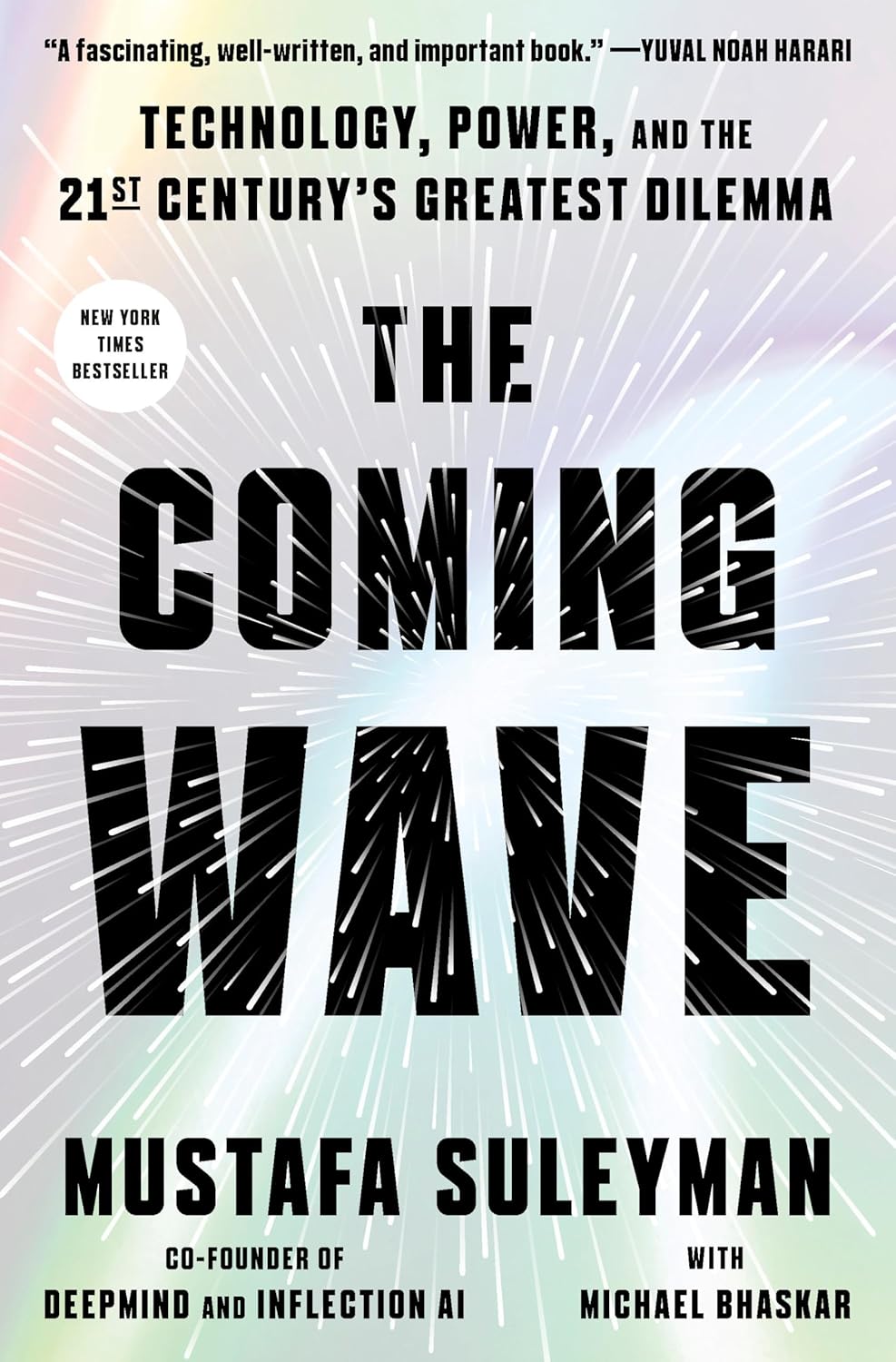
DeepMind co-founder on the dilemma of containing technologies that do not want to be contained.
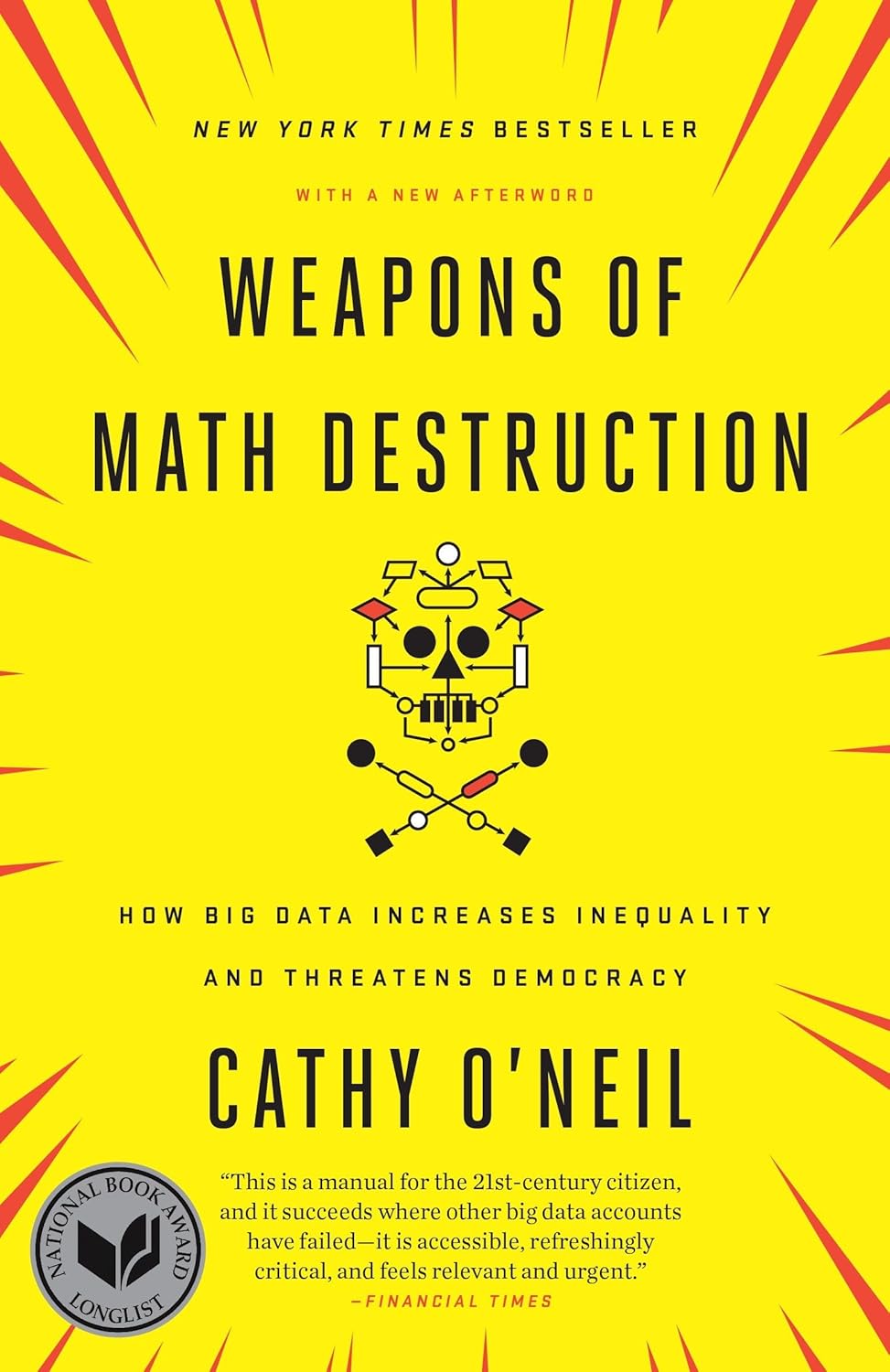
How opaque algorithms decide who gets credit, a job or parole — and why they tend to punish the same people.
As an Amazon Associate, Zendoric earns from qualifying purchases; the price does not change for you. · all our recommended books →
🔗 Related on Zendoric
- Florida could require its school districts to set their own rules on AI in the classroom · 2026-07-22
- NYC starts the school year with no AI rules: the largest city in the US tests how to tame artificial intelligence in the classroom · 2026-09-02
- Rock Hill puts its house in order before the school year: why revising AI policy is now a matter of school governance · 2026-06-24