Deepfakes and AI scams: Meta touts millions of accounts taken down, but the data comes from Meta itself

🕒 Published on Zendoric: September 4, 2026 · 09:12
✨ AI-generated · how it's made
Meta says it has dismantled AI scam networks totaling millions of fake accounts — from phantom pet farms to fake romances — and presents cooperation with banks, police and other tech companies, from Singapore to Thailand, as the only way out. The figures, however, come from the company itself.
📚 Go deeper
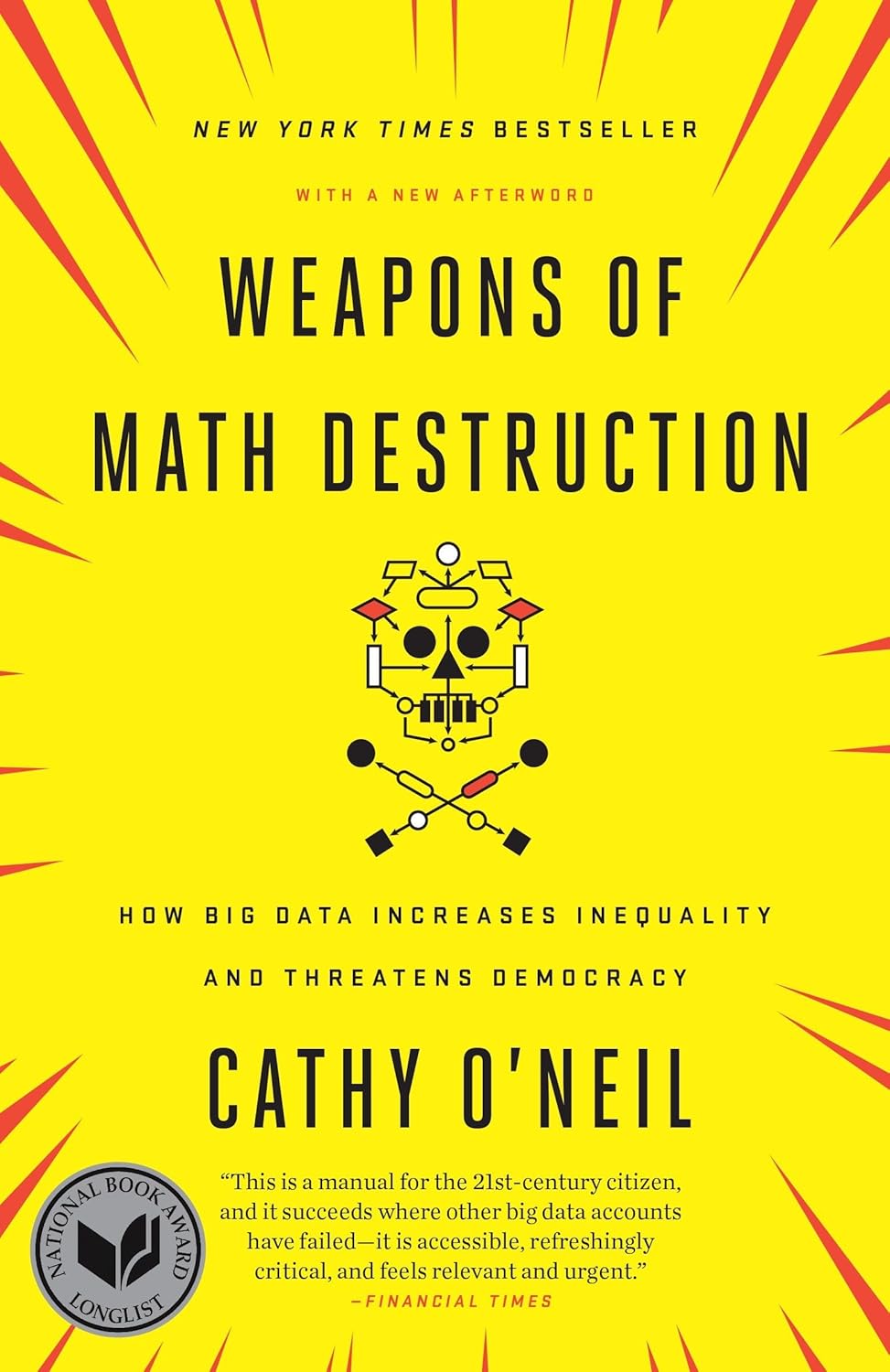
How opaque algorithms decide who gets credit, a job or parole — and why they tend to punish the same people.
As an Amazon Associate, Zendoric earns from qualifying purchases; the price does not change for you. · all our recommended books →
By Zendoric · September 4, 2026.
Meta says it has dismantled AI-driven scam networks in recent months totaling more than a million fake accounts and assets, in an article signed by Beth Ann Lim, the company's director of Public Policy Strategy for Asia-Pacific, published as "branded content" in Singapore's The Business Times. The underlying message: neither Meta nor any bank or police force can curb AI-generated fraud on its own; data must be shared among platforms, banks and law enforcement, in real time.
The examples the company itself provides are specific. According to Meta, this year it dismantled a Cameroon-based network made up of 100 groups and some 12,000 accounts on Facebook and Instagram devoted to pet "rehoming" scams: fake adoption ads that, once the victim was hooked, requested upfront payments for veterinary care, transport or delivery arrangements, with AI-generated content culturally tailored to the United States, Canada, Australia, New Zealand and the United Kingdom. In parallel, Meta says it removed or disabled more than 15,000 assets that used fake profiles of Japanese women to build romantic relationships with middle-aged and older men — some steering them toward online gambling — with operators spread across China, Myanmar, Colombia, the Philippines, Indonesia, the United States and Nigeria, targeting victims mainly in Japan.
To detect them, Meta says it relies on AI systems that cross-reference text, image and context: they identify when an account impersonates a public figure or a brand by analyzing patterns of fake followers, misleading bios or suspicious associations, and they flag pages that visually mimic legitimate websites before a user falls for them.
The centerpiece of the article, however, is not the detection technology but the institutional plumbing around it. In September 2025, the Singapore government's technology agency (GovTech) became, according to Meta, the world's first government entity to join the Global Signals Exchange (GSE), a centralized platform for sharing fraud intelligence among governments, platforms and banks. The result the company cites: between October 2025 and February 2026, Meta removed more than 30,800 Facebook and Instagram accounts and pages based on URLs flagged by GovTech, now with an automated reporting system that acts "at machine speed." Since December 2025, Meta says it has organized three "joint disruption weeks" with the Royal Thai Police and the FBI, featuring live signal-sharing exercises. The biggest milestone came in May 2026: a joint operation by Meta, Microsoft, Coinbase, Starlink, the U.S. Department of Justice and police forces from Thailand, Australia, Canada, Indonesia, Japan and Malaysia which, again according to Meta's figures, took down 1.4 million accounts, pages and groups on Facebook and Instagram, 20,000 Microsoft accounts and thousands of Starlink kits, with 63 people arrested by Thai police.
These figures should be read with the right framing: they are Meta's own account of itself, published as sponsored content, not an independent audit. That does not invalidate them — the scale and geography match what other industry reports have been documenting about the industrialization of fraud in Southeast Asia — but it does require treating them as what they are: the version of an interested party seeking to show that its platform is part of the solution and not the problem.
That said, the article's underlying diagnosis is correct and matches something we have been pointing out here: the immediate risk of generative AI is not distant superintelligence, it is the cheap automation of old-fashioned fraud. A deepfake of an executive, a cloned voice of a bank employee, a fake identity with a plausible résumé: AI does not invent the con, it liquefies the cost of producing it on an industrial scale. And the article gets something structural right: no single institution sees fraud end to end. The platform sees the post, the bank sees the transfer, the police see the victim's complaint; the scammer lives precisely in the seams between those three blind spots. Closing those seams requires data to flow between sectors that historically do not talk to each other, and that is more a problem of incentives and institutional trust than of technical capacity.
The question the article does not resolve — logically, since it is signed by someone with an interest in the answer being "yes" — is whether this kind of collaboration will hold up once it stops being news. The text itself admits as much when it calls for coordination to be "permanent, not episodic": three joint disruption weeks and a one-off operation in Thailand make a good headline, not a system. The long-term reading, consistent with Zendoric's underlying thesis, is that the same AI that has lowered the cost of scamming can also lower the cost of detecting and dismantling networks at the speed the problem demands; but that will only happen if banks, platforms, police and regulators agree to share data structurally and not just when it suits the photo op. In the meantime, the asymmetry still favors the attacker: setting up a farm of fake accounts with generative AI costs far less today than taking it down, however well-intentioned the alliance.
📚 Go deeper
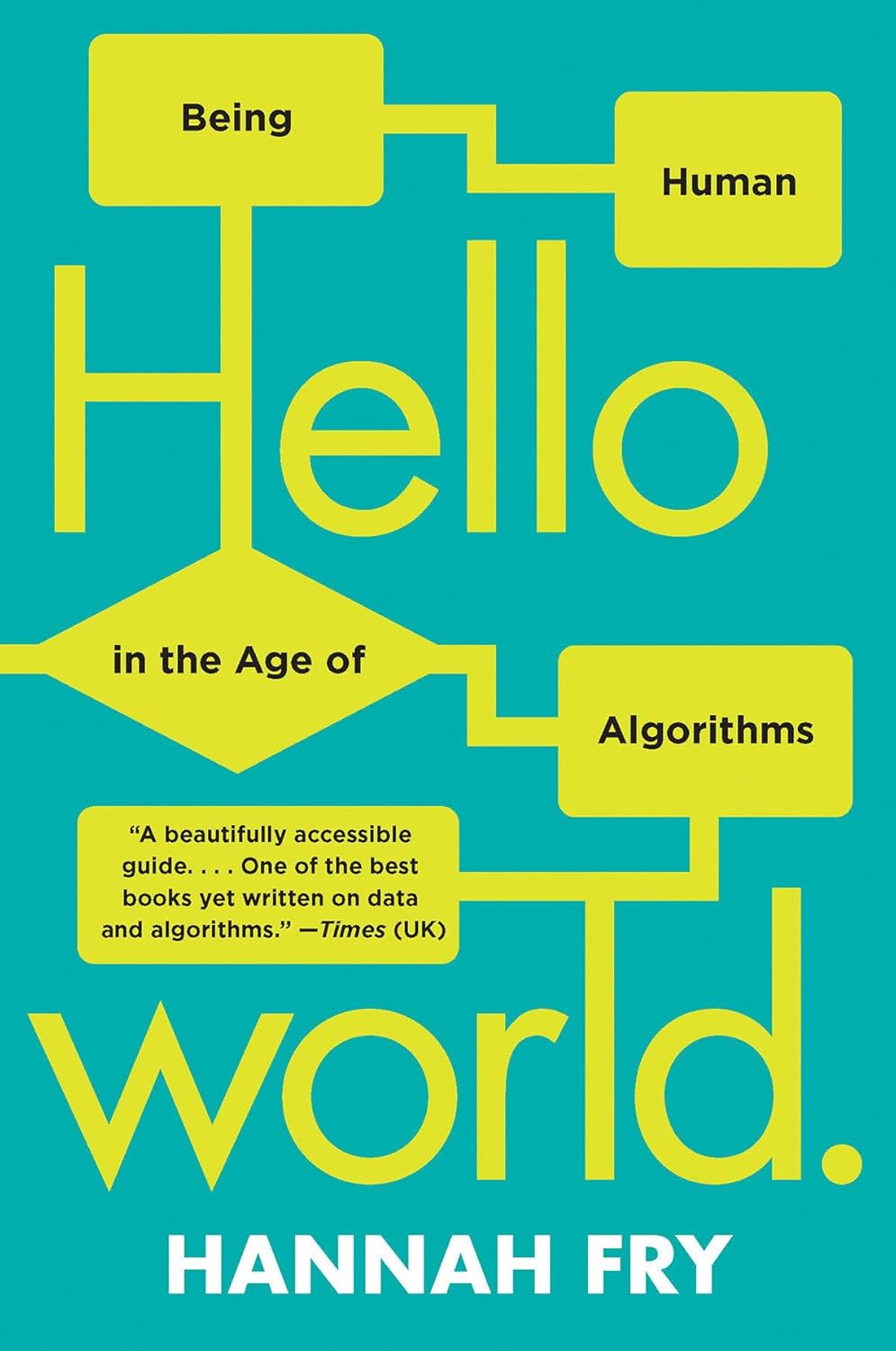
Algorithms in justice, medicine, cars and art, explained with British humor and mathematical honesty.
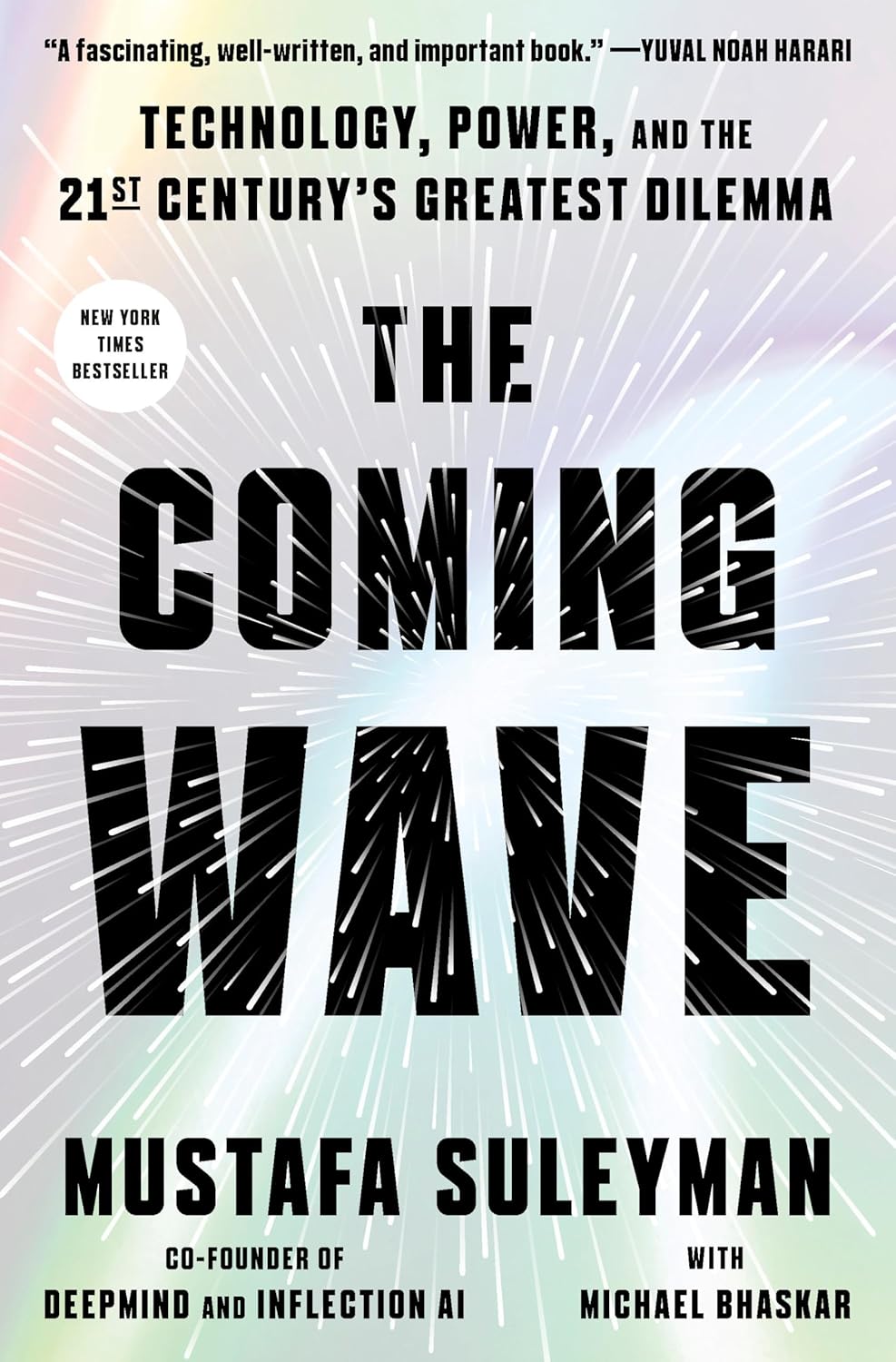
DeepMind co-founder on the dilemma of containing technologies that do not want to be contained.
As an Amazon Associate, Zendoric earns from qualifying purchases; the price does not change for you. · all our recommended books →
🔗 Related on Zendoric
- Meta pulls its controversial Instagram AI feature that let users generate images from other people's public accounts · 2026-07-14
- India investigates AI deepfakes impersonating the Tamil Nadu leader for WhatsApp scams traced to Pakistan · 2026-09-03
- Anthropic, both accuser and accused: the complaint against Alibaba lands amid a regulatory storm · 2026-06-26
Sources & references
- The Business Times (branded content de Meta) — Deepfakes and AI scams: Meta touts millions of accounts taken down, but the data comes from Meta itself
- cnbc.com — Meta's $18 billion settlement clears the way for new AI launches
- finance.yahoo.com — Nvidia goes beyond chips: the $18 billion check that unlocks Meta's AI