A Korean outlet calls a TV host a 'superintelligence': when AI jargon turns into flattery

🕒 Published on Zendoric: September 4, 2026 · 09:12
✨ AI-generated · how it's made
A South Korean entertainment piece describes host Yoo Jae-suk as an 'artificial superintelligence' for his 35 years of scandal-free discipline. There is no technical breakthrough behind it: it is a showbiz metaphor, but it reveals something real about how far AI vocabulary has spread.
📚 Go deeper

AI as the latest chapter in the history of information networks, from gossip to the printing press to the algorithm.
As an Amazon Associate, Zendoric earns from qualifying purchases; the price does not change for you. · all our recommended books →
By Zendoric · September 4, 2026.
It is worth saying plainly: this piece, published by the South Korean outlet StarNews as part of a series commemorating its 22nd anniversary, reports no advance in artificial intelligence whatsoever. It is a celebrity profile of Yoo Jae-suk, a television host with a 35-year career on shows such as 'Infinite Challenge', 'Running Man' and 'You Quiz on the Block', to whom the article attributes — admiringly, and without any real technical assessment involved — the status of 'artificial superintelligence' (ASI, the term the industry reserves for a hypothetical system that would surpass human intelligence across every domain). The text uses that label as a rhetorical device to praise his scandal-free record, his unbreakable routine and his ability to adapt to every shift in television format.
There is no model here, no benchmark, no AI company involved. The only genuinely interesting thing, given our editorial commitment to analyzing AI rigorously and without hype, is the underlying linguistic phenomenon: serious technical terms — alignment (the problem of getting an AI system to pursue goals compatible with human values), overfitting (when a model fits its training data so closely that it loses the ability to generalize) or fine-tuning (retraining a model for a specific task) — are used here as showbiz compliments, emptied of their original meaning.
This is not an isolated case. Broadly speaking, as generative AI settles into everyday conversation, its vocabulary seeps into fields that have nothing to do with the technical discipline: marketing, self-help, entertainment journalism. The risk is not severe, but it is cumulative: when 'superintelligence' is trivialized as a synonym for 'very disciplined' or 'very reliable,' it erodes the precision of a term the industry itself needs to handle carefully, because it describes a threshold with real safety and governance implications, not a personal virtue.
Our reading is modest but clear: not every mention of 'AI' or 'superintelligence' in a headline deserves to be treated as technology news, and distinguishing metaphorical use from verifiable fact is precisely the job of honest analysis. There is no thesis to defend here about the future of AI; only a reminder that its language is already circulating, often without quality control, far beyond the labs that develop it.
📚 Go deeper
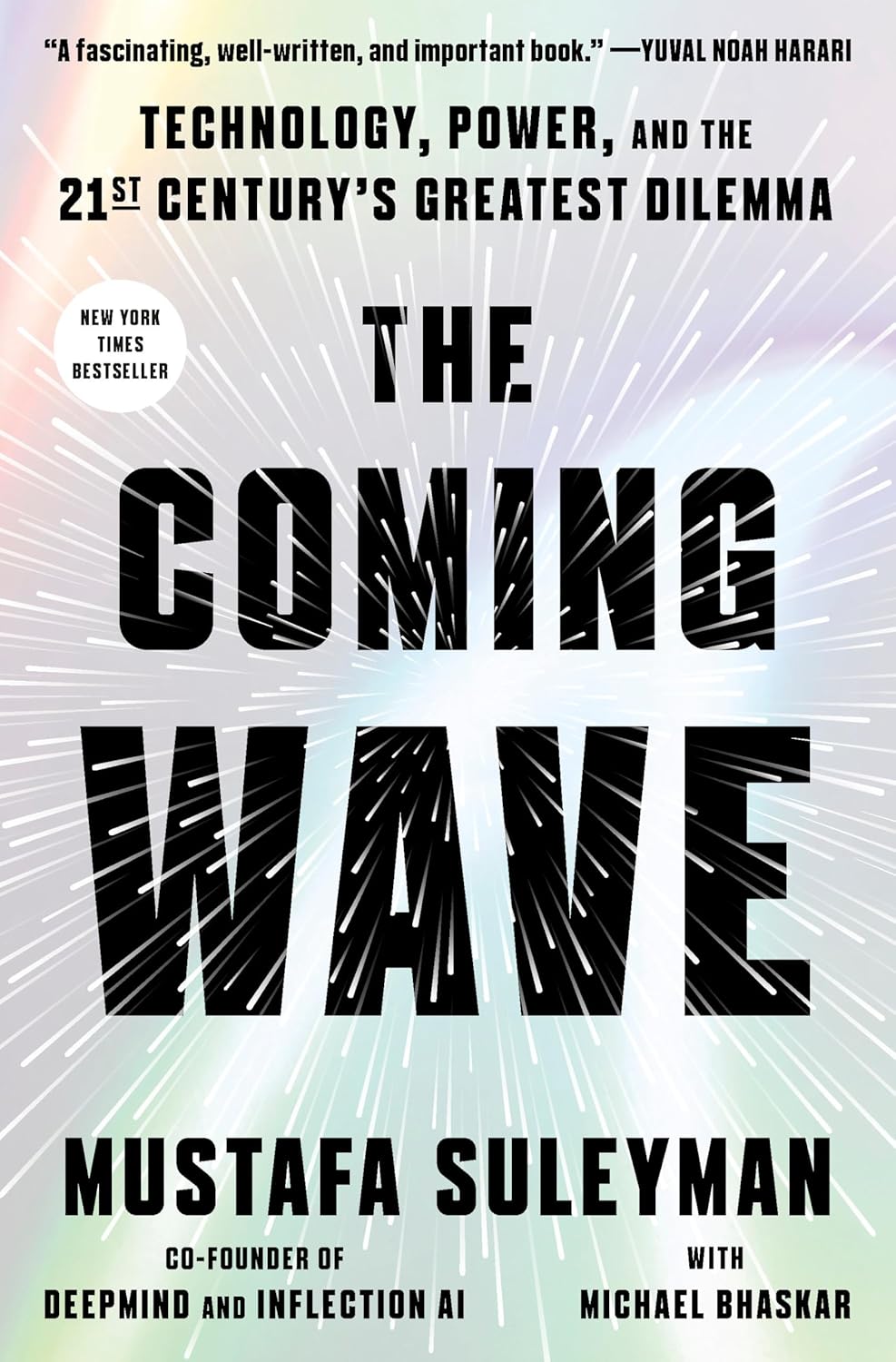
DeepMind co-founder on the dilemma of containing technologies that do not want to be contained.
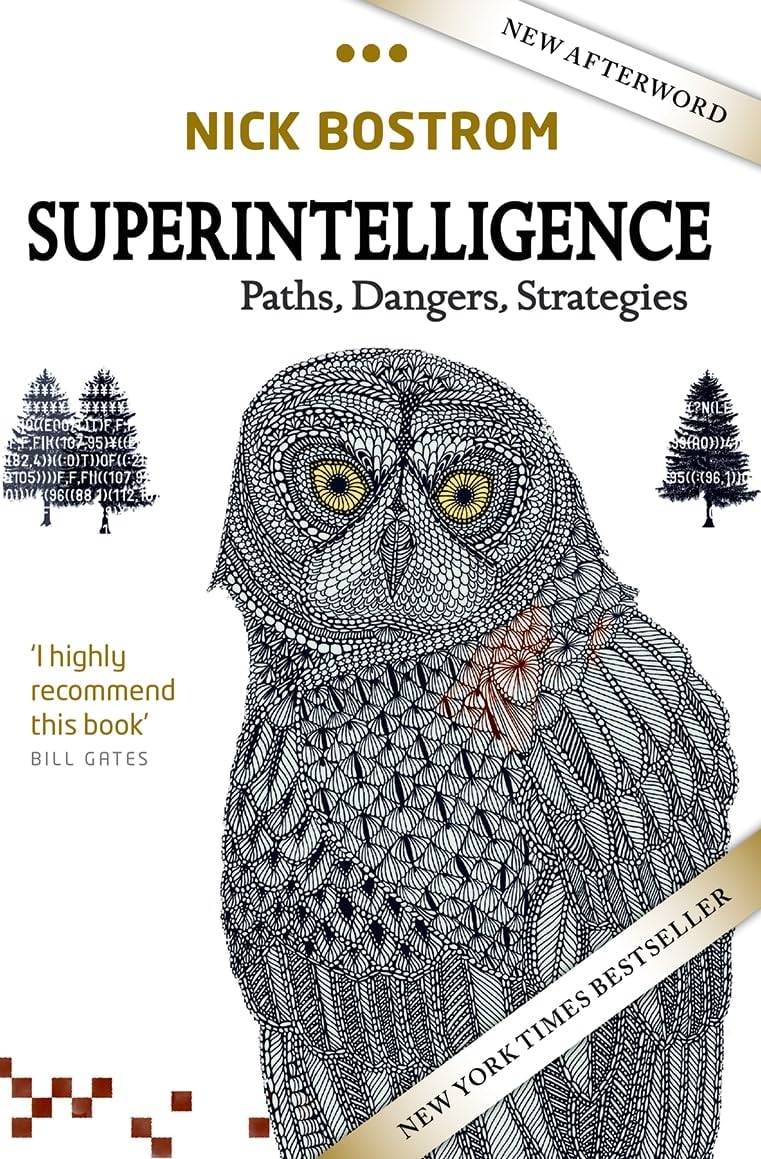
The book that started the existential-risk debate and that half the industry still cites.
As an Amazon Associate, Zendoric earns from qualifying purchases; the price does not change for you. · all our recommended books →
🔗 Related on Zendoric
- UCLA Health bets on AI for cancer detection: another sign that precision medicine is no longer just a promise · 2026-06-26
- The UN wants an ID card for AI agents: the ITU turns trust into critical infrastructure · 2026-07-12
- Industrial-scale 'distillation' turns the API into a geopolitical battleground · 2026-06-27