Portland wants to ban screens in elementary school and freeze AI in classrooms for five years: the education pendulum swings back

🕒 Published on Zendoric: September 3, 2026 · 10:20
✨ AI-generated · how it's made
A group of parents in Portland, Oregon, is asking their school district to ban Chromebooks in the early years, limit them elsewhere, and pause AI in classrooms for five years. The case exposes something broader: the technology that saved teaching during the pandemic is now being questioned with barely any data to back it up.
📚 Go deeper
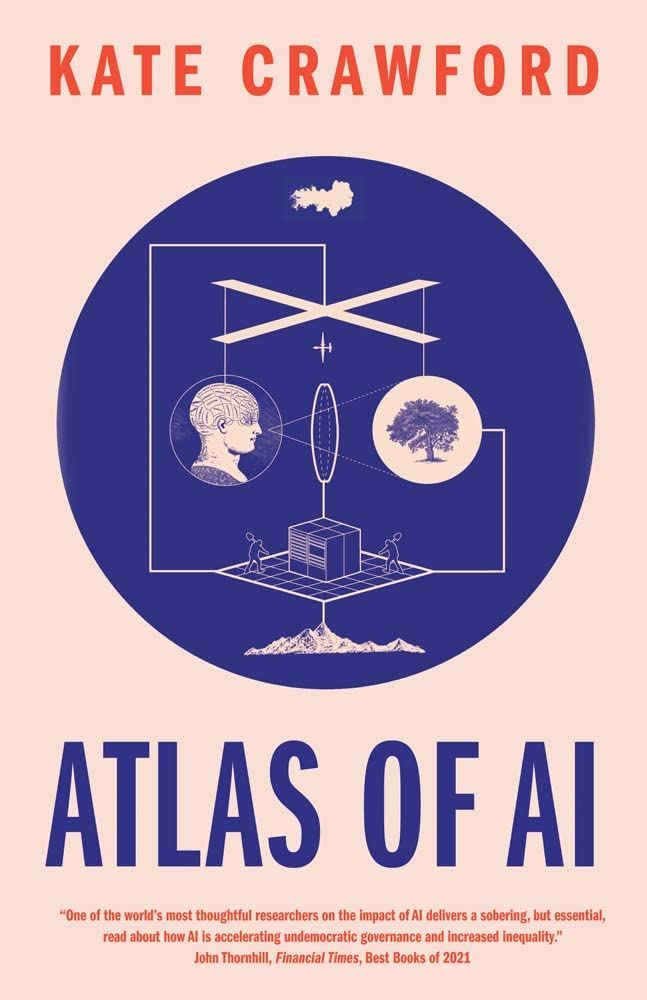
AI as an extractive industry: the lithium, the energy, the underpaid data-labeling work and the bodies behind the cloud.
As an Amazon Associate, Zendoric earns from qualifying purchases; the price does not change for you. · all our recommended books →
By KATU · September 2, 2026.
A group of parents at Portland Public Schools (PPS), the school district in Portland, Oregon, has submitted a policy proposal calling for a ban on the use of screens for instructional purposes in classrooms from kindergarten through second grade (ages 5-8), a 20-minute limit in third through fifth grade, and a limit of one hour per subject per week in secondary school. The proposal, drafted by the group Schools Beyond Screens Portland, adds a more forceful demand: a five-year moratorium on the use of artificial intelligence in classrooms.
According to Miranda Rake, a PPS parent and member of the group, the initiative stems from the realization that the district lacks a unified technology-use policy. Guidelines exist, she says, but there is no binding rule, which causes screen time to vary "widely" between schools and classrooms within the same district. The group is also calling for the creation of a committee to periodically review which technology tools are used in class and whether they genuinely improve learning. According to the article itself, PPS has not yet adopted any of these measures, although it is holding meetings with the group and with school board members.
Context matters: Chromebooks became widespread in U.S. classrooms as an emergency response to the covid-19 pandemic closures. Five years on, that emergency rollout continues to operate by inertia in many districts, without any rigorous assessment of whether replacing pencil and paper, or direct instruction from the teacher, with devices and educational apps actually improved outcomes. Rake sums it up with a line that applies to the national debate: "what we adopted as a necessary strategy during the pandemic may not be serving our children so well."
The call for a moratorium on AI deserves its own reading. It is not a rejection of technology itself -the group insists its goal is not to eliminate it, but to keep it from replacing the direct relationship between student, classmates and teacher- but rather a call for caution in the face of a tool whose capabilities change every few months and for which, today, there is no consolidated evidence of its impact on children's learning. "It's so new that our youngest children don't need to interact with it yet; let's pause and see what time tells us," Rake argues.
Our take: this episode, though local and modest in scope -one school district and a group of parents with no formal regulatory power-, is a symptom of something we will see repeated in more places. The adoption of educational technology during the pandemic was carried out without the backing of solid evidence, out of sheer necessity; now that the urgency has passed, parents are demanding what was never done: measuring the impact before rolling it out broadly. That is a healthy reaction, not an attack on innovation. The problem is not that AI exists in classrooms, but that it is deployed without governance or committees to assess whether it works, exactly the same gap they are already flagging with Chromebooks.
This connects with something we have already pointed out when analyzing AI's impact on education: the winner is the teacher who orchestrates technology as an augmented tutor, not the one who replaces it with an app with no pedagogical rationale behind it. A five-year moratorium may seem excessive -generative AI evolves too quickly to freeze it for that long without losing real advantages in personalized tutoring-, but the underlying instinct is right: before integrating a new tool into the education of a six-year-old, someone should be able to demonstrate that it works better than a teacher with a whiteboard. In the long run, well-governed AI in classrooms can be a real path toward a more personalized and accessible education for everyone, part of that abundance we champion as a horizon. But that horizon is only reached if, along the way, school districts take seriously the task of measuring before adopting, something Portland is now asking for and that arrives, as almost always with technology in classrooms, several years late.
📚 Go deeper
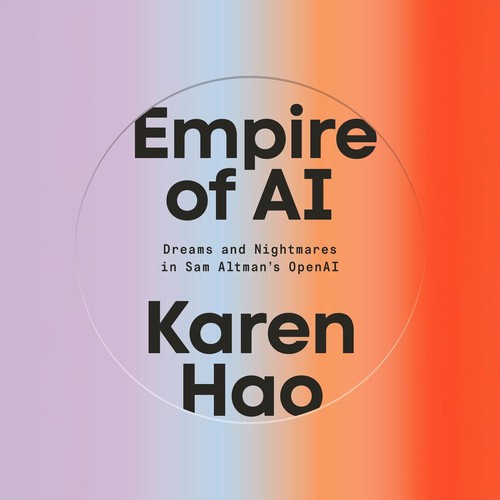
The definitive piece of investigative journalism on OpenAI: 260+ interviews, the clash between safety and speed, and the attempted firing of Sam Altma

AI as the latest chapter in the history of information networks, from gossip to the printing press to the algorithm.
As an Amazon Associate, Zendoric earns from qualifying purchases; the price does not change for you. · all our recommended books →
🔗 Related on Zendoric