ChatGPT, Claude, Gemini and Grok Went Dark at Once: AI Now Has Infrastructure Status Without Infrastructure Rules

🕒 Published on Zendoric: September 3, 2026 · 10:20
✨ AI-generated · how it's made
Every major chatbot failed at roughly the same moment on Thursday morning, and nobody has said why. The jokes wrote themselves — "Finally I can see the Sun!" — but the real story is that a technology millions now depend on has no disclosed root cause, no shared fallback and no continuity plan. Downtime is normal; simultaneous downtime across four rival companies is a governance signal.
📚 Go deeper
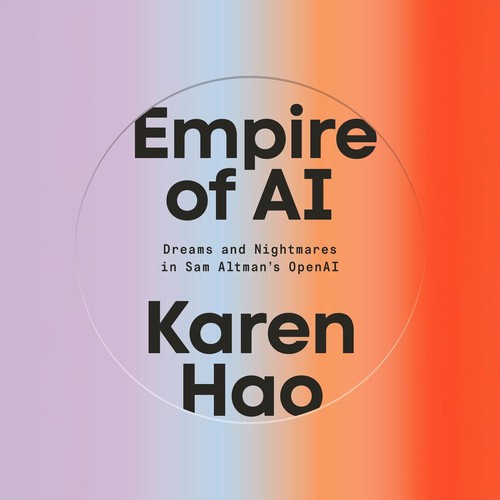
The definitive piece of investigative journalism on OpenAI: 260+ interviews, the clash between safety and speed, and the attempted firing of Sam Altma
As an Amazon Associate, Zendoric earns from qualifying purchases; the price does not change for you. · all our recommended books →
OpenAI's ChatGPT, Anthropic's Claude, Google's Gemini and X's Grok all broke down on Thursday morning, according to Futurism, which reported the outage on 3 September 2026 and noted that the cause was still unknown at publication. OpenAI's status page reported "elevated errors across ChatGPT and Codex" and said the company had "applied the mitigation and are monitoring the recovery." Anthropic was more granular: the "only affected models right now are Opus 4.8 and Opus 5," with the rest "recovered to baseline error rate." Grok showed widespread outages, and Downdetector spikes suggested OpenAI's problems had largely been resolved by the time of writing. Google services and, oddly, the video game Fortnite were still reporting issues.
Our thesis: the newsworthy part is not that AI services went down — every service goes down — but that four competing providers went down inside the same window and none of them has explained why. Note what Anthropic's disclosure implies: the failure hit specific model tiers, not the whole platform. These systems don't fail as monoliths; they fail per model, per capacity pool, per region. That level of detail is exactly what users need to route around a problem, and it is exactly what most providers didn't publish.
Be careful with the obvious inference. The fact that Google and a game unrelated to chatbots were also degraded is consistent with a shared upstream dependency — a CDN, a cloud region, a network layer — but no company has confirmed that, and the reporting establishes correlation, not cause. What the episode does establish, without any speculation, is concentration: a handful of providers sitting on a handful of infrastructure substrates, with millions of white-collar workflows and developer pipelines (Codex was explicitly affected) hanging off them, and no cross-provider fallback in most people's setups.
The reaction was mockery, and it deserves an honest answer. "Finally I can see the Sun!" one account posted. "And for a brief moment, millions of people had to use their brains again," wrote AI critic Paris Marx on Bluesky. Another asked what happens "during global rent-a-brain outage." The cognitive-decline framing is a claim the outage doesn't prove — a service failing says nothing about whether its users have atrophied. But the dependency the jokes are pointing at is real, and it was measured in the most direct way possible: a lot of people discovered they had no plan B for a tool they had quietly made load-bearing.
Our read: this is the bill for maturity arriving early, and cheaply. Systems that matter — power grids, payment rails, telecoms — earn obligations along with their importance: published root causes, postmortems, regulated continuity, contractual uptime. AI has acquired the criticality and skipped the obligations. Consumers get a status page and a shrug; enterprises get an SLA that pays back credits, not lost days. The fix isn't regulatory panic, it's boring engineering discipline made normal: multi-provider routing as a default, degraded-mode design so a product keeps working when its smartest model is unavailable, and — this is the underrated one — open-weight models running on your own hardware as the continuity layer. Local models in the sub-32B class won't match the frontier, but a model that answers at 70% quality on your own machine beats a model that answers at 100% on someone else's, when someone else's is offline.
And the long view: this was a good failure. It was funny, it was short, and nobody was hurt. Have it now, while the worst consequence is a missed deadline and a stale joke about sunlight — not later, when these systems are reading scans, triaging patients and running the logistics that make the abundance case real. The road from useful tool to civilizational infrastructure runs straight through unglamorous reliability work: redundancy, transparency, postmortems. Thursday was a free rehearsal. The question is whether anyone treats it as one.
📚 Go deeper
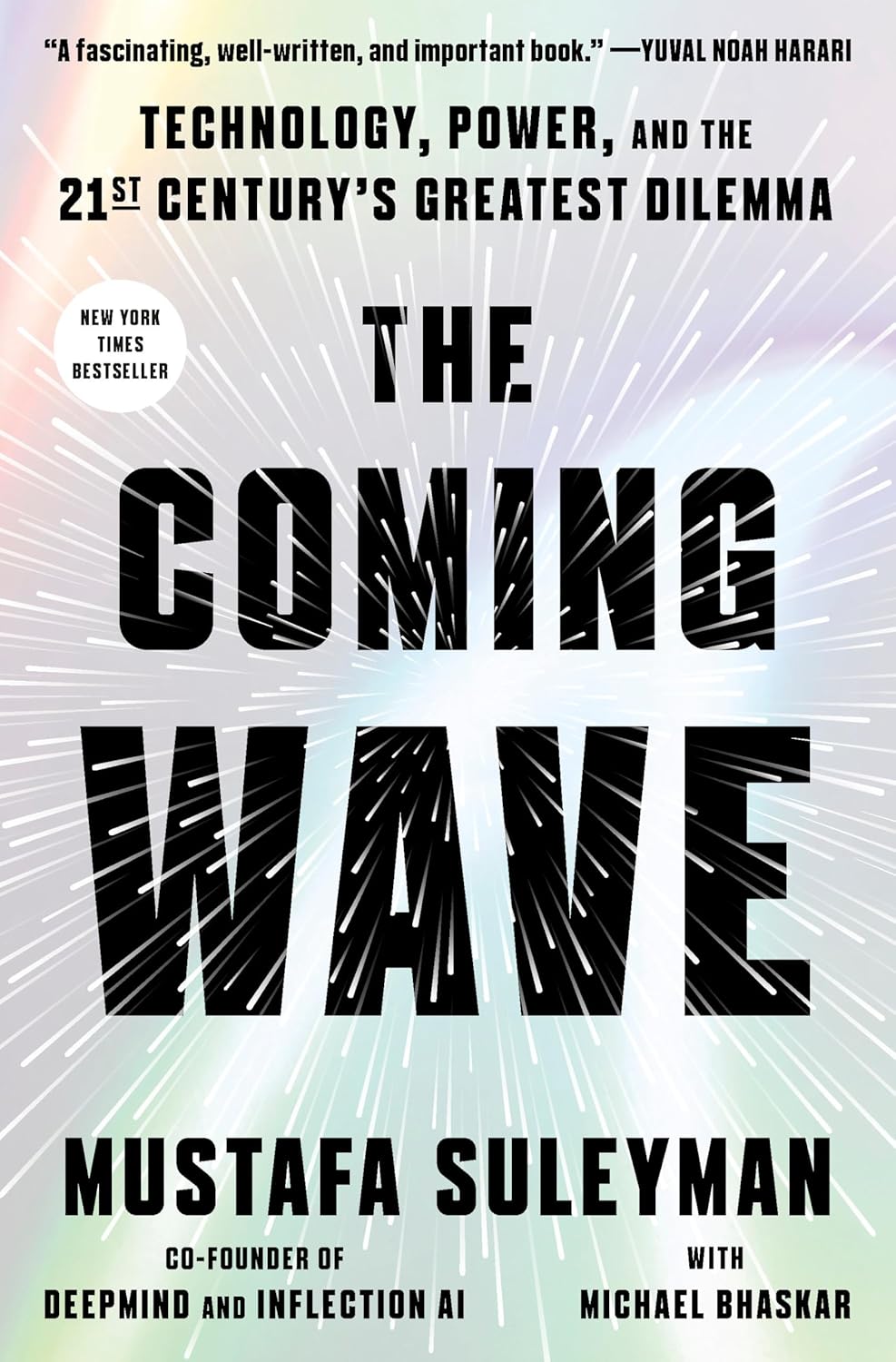
DeepMind co-founder on the dilemma of containing technologies that do not want to be contained.
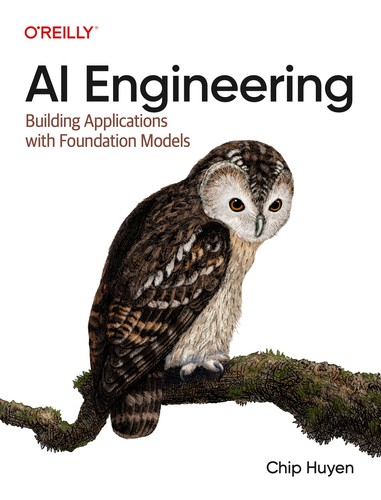
The reference manual for building products on top of AI models: prompts, RAG, fine-tuning, agents, evaluation and deployment.
As an Amazon Associate, Zendoric earns from qualifying purchases; the price does not change for you. · all our recommended books →
🔗 Related on Zendoric
- ChatGPT, Claude and Grok go down on the same day: the clue nobody will confirm is the shared compute provider · 2026-09-04
- Only 12% of companies know how to govern their AI agents: Google turns that gap into its edge over OpenAI and Anthropic · 2026-07-20
- Claude share links turned up in Google — the AI privacy bug that keeps shipping, product after product · 2026-07-27