Three seconds of voice is all it takes, and AI fraud's safeguards are built to investigate, not prevent

🕒 Published on Zendoric: September 3, 2026 · 10:20
✨ AI-generated · how it's made
Three seconds of recorded audio is now enough to clone a voice well enough to fool a parent, and the FBI has started counting the damage: more than $893 million lost to AI-enabled crime in 2025, $352 million of it from people over 60. The tools' security features are real, but almost all of them work after the money is gone. That is the whole problem.
📚 Go deeper
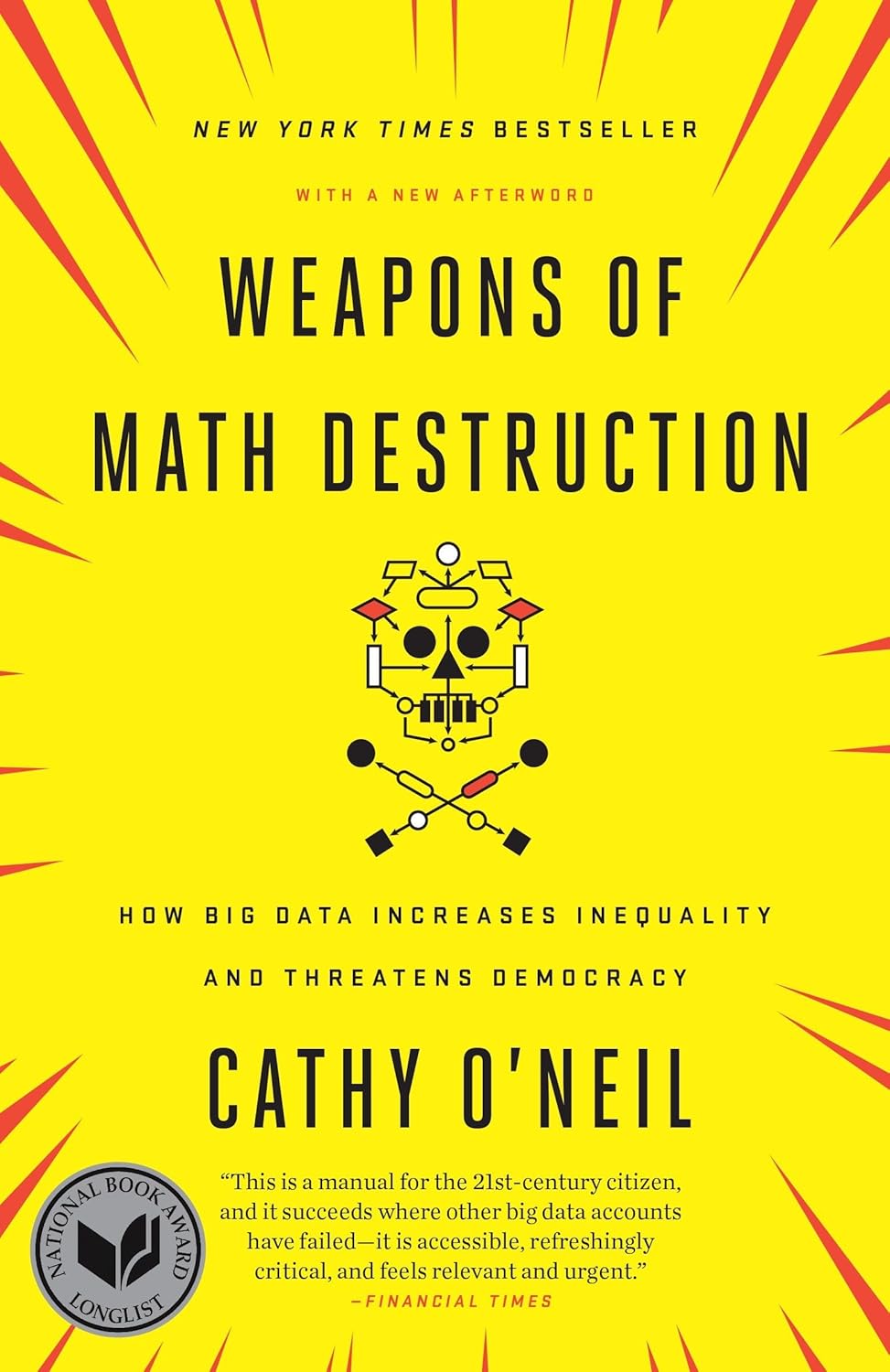
How opaque algorithms decide who gets credit, a job or parole — and why they tend to punish the same people.
As an Amazon Associate, Zendoric earns from qualifying purchases; the price does not change for you. · all our recommended books →
The number that matters is three. Three seconds of recorded audio is enough to generate a synthetic voice indistinguishable from the original, according to engineer Tim Green's analysis on SmarterArticles, summarized by GIGAZINE. Three seconds is a voicemail greeting, a podcast clip, a single TikTok video. As Green puts it, a grandchild appearing in one short video hands a scammer everything needed to fabricate an emergency.
The scale is no longer anecdotal. The FBI's Internet Crime Complaint Center, in its 2025 annual report published in April 2026, broke out "AI-driven fraud" as a separate category for the first time in the report's 26-year history: more than 22,000 AI-related complaints and losses above $893 million. Victims aged 60 and over accounted for $352 million of that total — roughly 39% of the losses from a single age bracket. Average reported loss works out to about $40,000 per complaint, which is retirement-savings territory, not credit-card-chargeback territory. The FBI itself notes the figures only cover fraud victims recognized and reported; Green argues most voice-clone victims never learn AI was involved at all, so $893 million should be read as a floor, not a ceiling.
The mechanics of the reported case explain why awareness campaigns fail. Sharon Brightwell, a Florida resident, received a call in July 2025 that she described as "like hearing my daughter crying." The cloned voice said she had hit a pregnant woman while driving and that police had taken her phone. A man then came on the line as the daughter's lawyer, asking for $15,000 in bail, and instructed Brightwell not to state the purpose of the withdrawal at the bank because it "could damage her daughter's reputation." Within an hour she had handed cash to a courier presenting as court-affiliated. Notice what the AI actually contributed: not the scheme, which is the oldest script in fraud — urgency, shame, secrecy — but the one element social engineering could never convincingly fake at scale. The voice. Green's blunt version: you can explain a hundred times that voices can be faked, and the knowledge evaporates the moment your child seems to be crying on the phone.
On the supply side, Consumer Reports found that most voice-cloning products — Descript, ElevenLabs, Lovo, PlayHT, Resemble AI and Speechify are named in the piece — lack effective measures against misuse. ElevenLabs is the interesting counterexample precisely because it does more than the rest: an impersonation ban in its usage policy, a public classifier that flags audio likely produced by its system, tracking that links generated content to the originating account, and protected "no-go" voices during election periods. Green's critique is the sharpest line in the article: those measures are almost entirely reactive. They help investigators identify a source after the savings are gone; they do almost nothing to stop a clone being made from a three-second clip. His diagnosis of why is economic, not technical — a fast-moving competitive market will not voluntarily impose friction that costs it customers.
Our reading: this is the same lesson we keep drawing about AI safeguards, now in the consumer domain. A control that only activates after the harm is documentation, not security. Watermarks, classifiers and forensic trails are worth having, but they are the audit layer; the missing layer is identity — Green's proposal that anyone using a cloning tool prove who they are before generating a voice is the minimum viable version of it. Attribution at creation time is what turns a traceable crime into a deterred one, and it is exactly the kind of friction no single vendor can adopt alone without losing business to the vendor that doesn't. That is the textbook definition of a job for regulation rather than for corporate goodwill.
Where this goes: synthetic voice is genuinely useful technology, and in the long run the fix looks structural — verified caller identity and content provenance becoming as ordinary as the padlock in a browser bar, so that an unauthenticated emergency call carries no weight by default. That build-out will take years. In the meantime, the effective defense is embarrassingly low-tech and worth repeating to every family: agree on a code word, and hang up and call back on a known number. The gap between a three-second clone and a three-year infrastructure fix is the window fraud is currently living in, and it is the elderly who are paying the rent.
📚 Go deeper
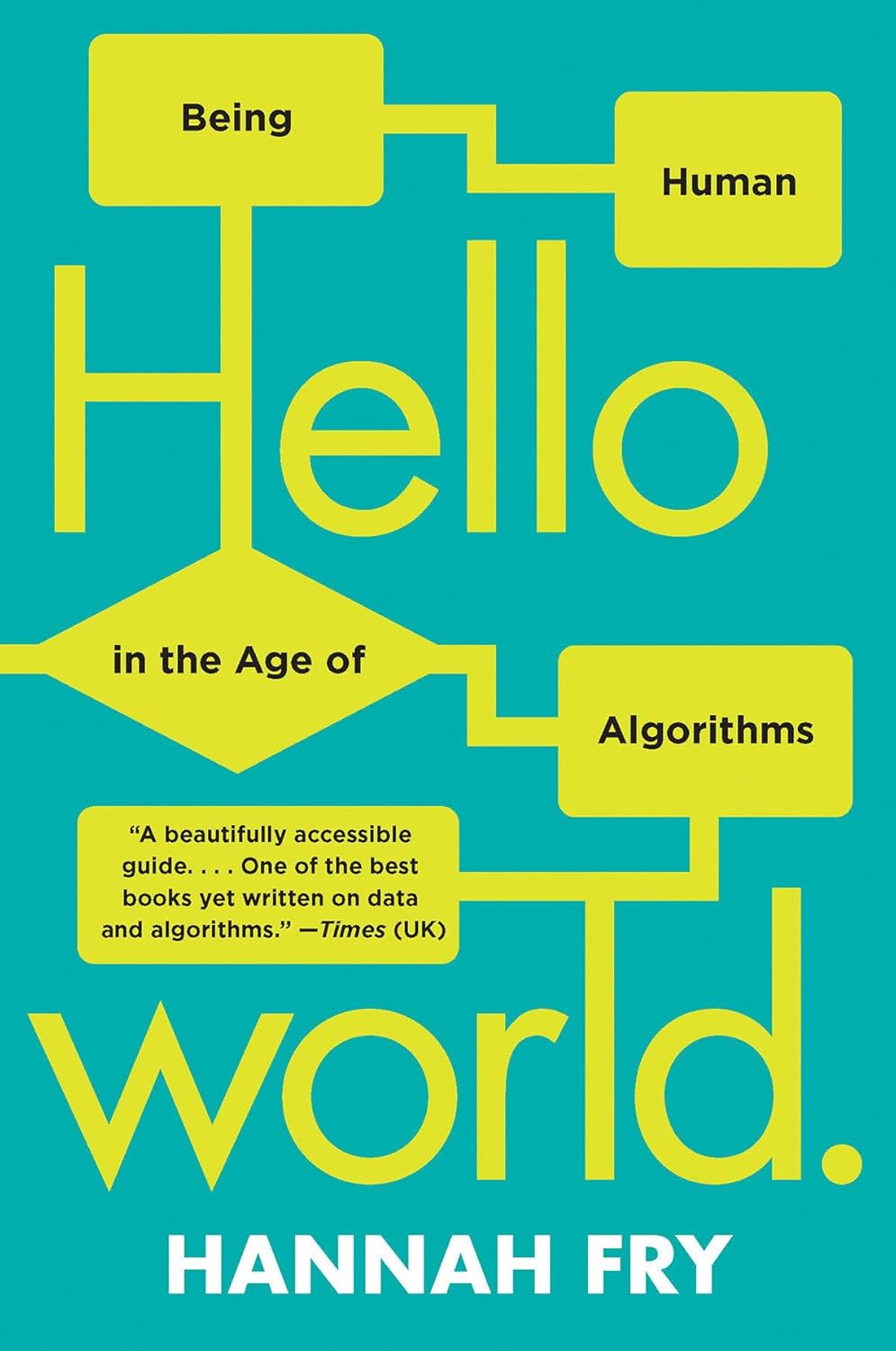
Algorithms in justice, medicine, cars and art, explained with British humor and mathematical honesty.

The definitive piece of investigative journalism on OpenAI: 260+ interviews, the clash between safety and speed, and the attempted firing of Sam Altma
As an Amazon Associate, Zendoric earns from qualifying purchases; the price does not change for you. · all our recommended books →
🔗 Related on Zendoric
- Three seconds of audio is all a voice clone needs — and every defense we have arrives too late · 2026-09-04
- Three seconds of audio is enough: AI voice fraud's flaw is that every defense arrives after the money is gone · 2026-07-28
- Three seconds of audio is all it takes: AI voice fraud wins because the safeguards are built to arrive too late · 2026-09-01