Three seconds of audio is all it takes: AI voice fraud wins because the safeguards are built to arrive too late

🕒 Published on Zendoric: September 1, 2026 · 00:48
✨ AI-generated · how it's made
The FBI's crime report counted AI-driven fraud as its own category for the first time in 26 years: 22,000+ complaints and over $893 million lost in 2025, with $352 million of that taken from people aged 60 and over. The technical barrier is gone — three seconds of audio clones a voice. Our thesis: this isn't a detection problem, it's an incentive problem, and the industry has quietly settled on safeguards that identify the culprit after the savings are gone.
📚 Go deeper
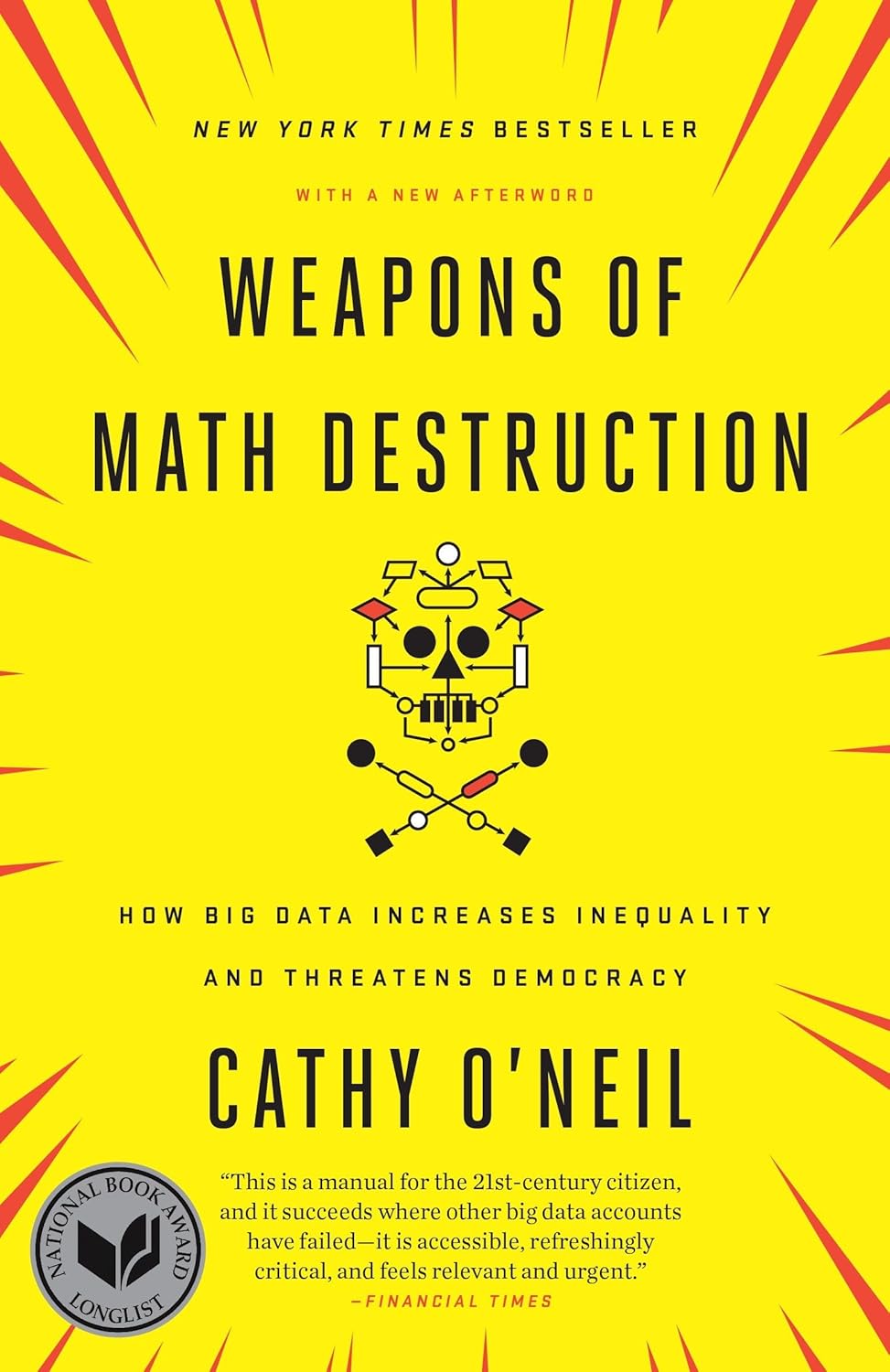
How opaque algorithms decide who gets credit, a job or parole — and why they tend to punish the same people.
As an Amazon Associate, Zendoric earns from qualifying purchases; the price does not change for you. · all our recommended books →
The case that GIGAZINE leads with is almost unbearable in its ordinariness. In July 2025, Sharon Brightwell, a resident of Hillsborough County, Florida, took a call that sounded, in her words, "like hearing my daughter crying." The synthetic voice said she had hit a pregnant woman with her car and that police had taken her phone. A second man came on the line claiming to be her lawyer and asked for $15,000 in cash for bail. Critically, he told her not to mention the reason when withdrawing the money — it could damage her daughter's reputation. Within the hour, Brightwell had the cash and handed it to a courier posing as a court official. Her actual daughter had been nowhere near an accident.
That single instruction — don't tell the bank — is the part worth studying. Voice cloning did not defeat the family's defenses; it defeated the bank teller's. Every consumer-protection system in retail finance depends on a human at a counter asking a suspicious customer what the money is for. The scam script neutralizes that checkpoint before it fires, and it does so using shame rather than technology. Anyone building fraud defenses should read the transcript as an engineering spec for what the attacker already knows about our controls.
The numbers moved from anecdote to category in April 2026, when the FBI's Internet Crime Complaint Center published its 2025 annual report and, for the first time in the report's 26-year history, broke out AI-driven fraud as a separate line. More than 22,000 AI-related complaints; losses above $893 million. Victims aged 60 and over accounted for $352 million of that — roughly two in every five dollars lost, from a group that is nothing like two in five of the population. Do the division and the reported average loss lands near $40,000 per complaint, which is not a nuisance crime; that is a retirement account. The FBI itself flags that the tally covers only what victims recognized and reported, and engineer Tim Green, whose analysis for SmarterArticles anchors the GIGAZINE piece, argues the honest reading is that $893 million is a floor, not a ceiling — most people who receive a cloned-voice call never learn AI was involved at all.
The capability side is settled and cheap. Three seconds of audio is enough to produce a synthetic voice that a parent cannot distinguish from their child's. Three seconds is a voicemail greeting, a podcast clip, a birthday video on Instagram. As Green puts it, a grandchild who appears in one TikTok has handed a scammer everything needed to fabricate an emergency. Consumer Reports has found that most voice-cloning products on the market — it names Descript, ElevenLabs, Lovo, PlayHT, Resemble AI and Speechify — lack effective safeguards against misuse. ElevenLabs, to be fair, runs the most serious program of the group: a policy banning impersonation, a public classifier that flags audio likely generated by its system, provenance tracking that ties output back to an account, and protected "no-clone" voices during election periods. Green's critique is not that these are token efforts. It is that they are almost entirely reactive — excellent at helping investigators name a source after the money is gone, close to useless at stopping the clone from being made. His diagnosis of why is the uncomfortable one: a hotly competitive market will not voluntarily adopt a control that costs it customers.
Our reading: this is the clearest example yet of the pattern we keep returning to — the near-term danger from AI is not a rogue superintelligence, it is the industrialization of ordinary crime, executed with obedience and at marginal cost near zero. And the binding constraint is economic, not technical. The industry can already trace synthetic audio; it simply cannot afford, alone, to add friction at the moment of generation. That is the textbook definition of a problem that regulation exists to solve, and Green's proposal — verified identity before you are allowed to clone a voice — is the rare intervention that is narrow, enforceable and aimed at capability rather than panic. It would not stop offshore open-weight tooling, and we should say so plainly, but it would price the abuse into the legitimate market instead of onto grandparents in Florida.
The long view does not change, and it is not consolation-prize optimism. The same synthesis that stole $15,000 from Sharon Brightwell is giving speech back to people losing it to ALS, dubbing lectures into forty languages, and making interfaces usable for people who cannot type. We do not get one without the other; we get to decide who bears the cost of the gap between them. Until identity-at-source arrives, the defense that actually works is embarrassingly analog: a family passphrase, and a hard rule that you always hang up and call back on the number you already have. Tell your parents this week. The technology does not care how many times they have been warned — as Green notes, that knowledge evaporates the moment they hear their grandchild crying.
📚 Go deeper
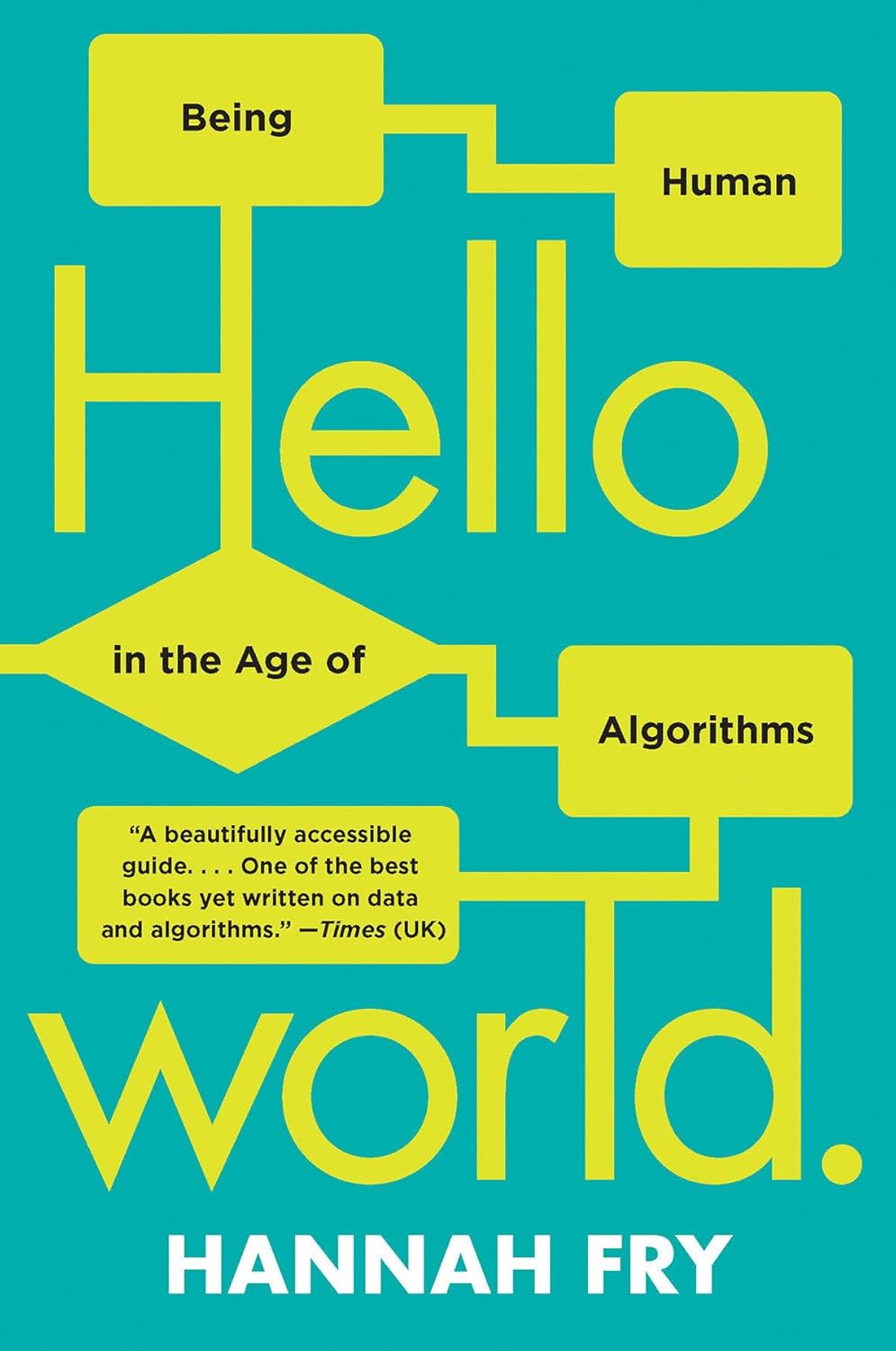
Algorithms in justice, medicine, cars and art, explained with British humor and mathematical honesty.

AI as the latest chapter in the history of information networks, from gossip to the printing press to the algorithm.
As an Amazon Associate, Zendoric earns from qualifying purchases; the price does not change for you. · all our recommended books →
🔗 Related on Zendoric
- Three seconds of audio is all a voice clone needs — and every defense we have arrives too late · 2026-09-04
- Three seconds of audio is enough: AI voice fraud's flaw is that every defense arrives after the money is gone · 2026-07-28
- Three seconds of audio is now enough: AI voice fraud is the near-term harm we can actually govern · 2026-09-02