Three seconds of audio is now enough: AI voice fraud is the near-term harm we can actually govern

🕒 Published on Zendoric: September 2, 2026 · 08:27
✨ AI-generated · how it's made
The FBI's crime-complaint centre broke out "AI-driven fraud" as its own category for the first time in 26 years: 22,000 complaints and more than $893 million lost in 2025, with $352 million of that taken from victims aged 60 and over. The enabling technology needs about three seconds of your voice — roughly the length of a voicemail greeting. Our thesis: the defence cannot live in the human ear, and the industry's safeguards are almost all built to work after the money is gone.
📚 Go deeper
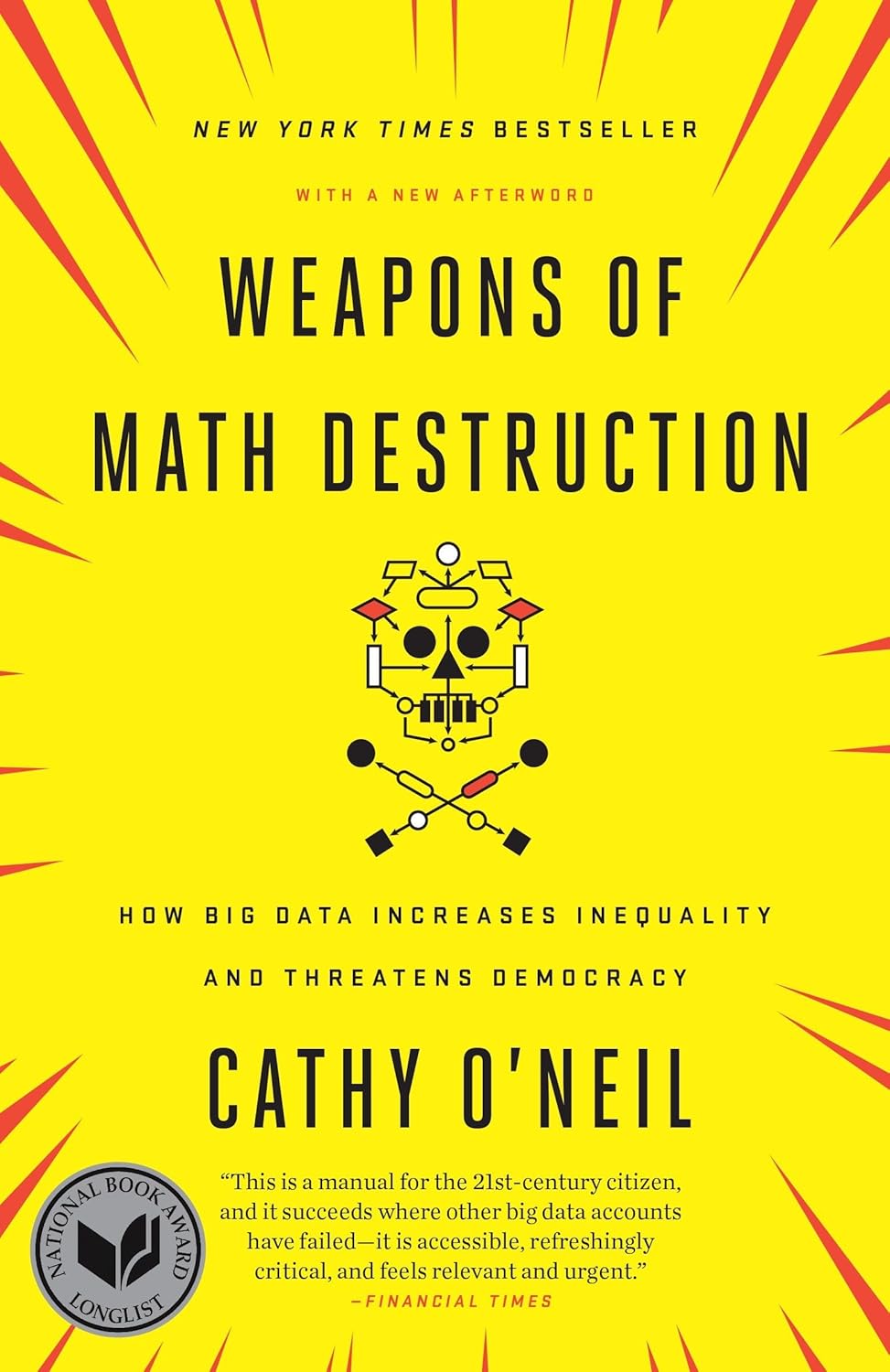
How opaque algorithms decide who gets credit, a job or parole — and why they tend to punish the same people.
As an Amazon Associate, Zendoric earns from qualifying purchases; the price does not change for you. · all our recommended books →
The numbers are the story. In April 2026 the FBI's Internet Crime Complaint Center published its 2025 annual report and, for the first time in the report's 26-year history, gave "AI-driven fraud" a category of its own: more than 22,000 complaints and losses above $893 million. Victims aged 60 and over absorbed $352 million of that — about 39% of the total from a single age bracket. The FBI itself cautions that the figures cover only what victims recognised and reported. Engineer Tim Green, writing in SmarterArticles, argues the right way to read $893 million is as a floor, not a ceiling, because most people who take an AI-cloned phone call never learn that AI was involved.
The mechanics explain why the elderly are targeted, and it is not gullibility. Green's account centres on Sharon Brightwell, a Florida resident defrauded in July 2025. The call opened with a cloned voice — "like hearing my daughter crying" — claiming to have hit a pregnant woman while driving, with the phone confiscated by police. A second voice took over as the daughter's lawyer and asked for $15,000 in cash for bail, with one crucial instruction: do not tell the bank what the money is for, because it could damage the daughter's reputation. Cash was withdrawn and handed to a supposed court courier within the hour. Read that script closely and you see a well-engineered attack on every human circuit breaker at once: urgency, shame, authority, and an explicit request to bypass the one institution — the bank teller — most likely to interrupt.
The supply side is where this stops being a crime story and becomes a governance story. Cloning a voice convincingly now takes roughly three seconds of audio, which can be lifted from a voicemail greeting, a podcast clip or an Instagram video. As Green puts it, a grandchild appearing in one TikTok video supplies everything a scammer needs. Consumer Reports has found that most voice-cloning products — it names Descript, ElevenLabs, Lovo, PlayHT, Resemble AI and Speechify — lack effective safeguards against misuse. ElevenLabs is the exception that proves the point: it operates an anti-impersonation policy, a public classifier that flags audio possibly produced by its own system, provenance tracking that links generated audio to the account that made it, and a "no-go voices" protection for specific protected figures during election periods. Green's critique is not that these measures are trivial — he calls them better than most rivals' — but that they are almost entirely reactive. They help investigators trace a clone after a retiree's savings are gone. His proposed fix is identity verification at sign-up, so that the question "who made this clone?" has an answer before the crime, not after.
Our reading: this is the harm class that matters right now, and it is more tractable than the debates that dominate AI policy. We have argued before that agentic AI's real near-term danger is the industrialisation of fraud, not distant superintelligence, and voice cloning is that thesis in its purest form — a capability that was a research demo three years ago now priced low enough to run at population scale. But we would push past Green's remedy on one point. Know-your-customer rules at the tool layer will raise the cost for casual abusers and do nothing about open-weight models running on a laptop, which is precisely why the durable defence has to sit on the money rail rather than in the human ear. Telling people "voices can be faked" fails at the moment it matters, as Green notes; mandatory friction on urgent large cash withdrawals, callback verification, and family passphrases agreed in advance do not, because they do not require the victim to out-think the audio in real time.
The long view stays intact, and it is worth stating plainly. The same synthetic-speech research restores voices to people who have lost them to disease, and translates a doctor's instructions into a patient's own language and cadence. That is genuine progress and we do not want it strangled. What this report documents is the ordinary, unglamorous cost of a transition: a capability arrives, the market ships it before the safety layer exists, and the bill lands first on the people with the most savings and the least reason to suspect their own child's voice. Pricing that cost into the companies that generate it — via verification, provenance and liability — is how the transition gets shorter and the destination stays worth reaching.
📚 Go deeper
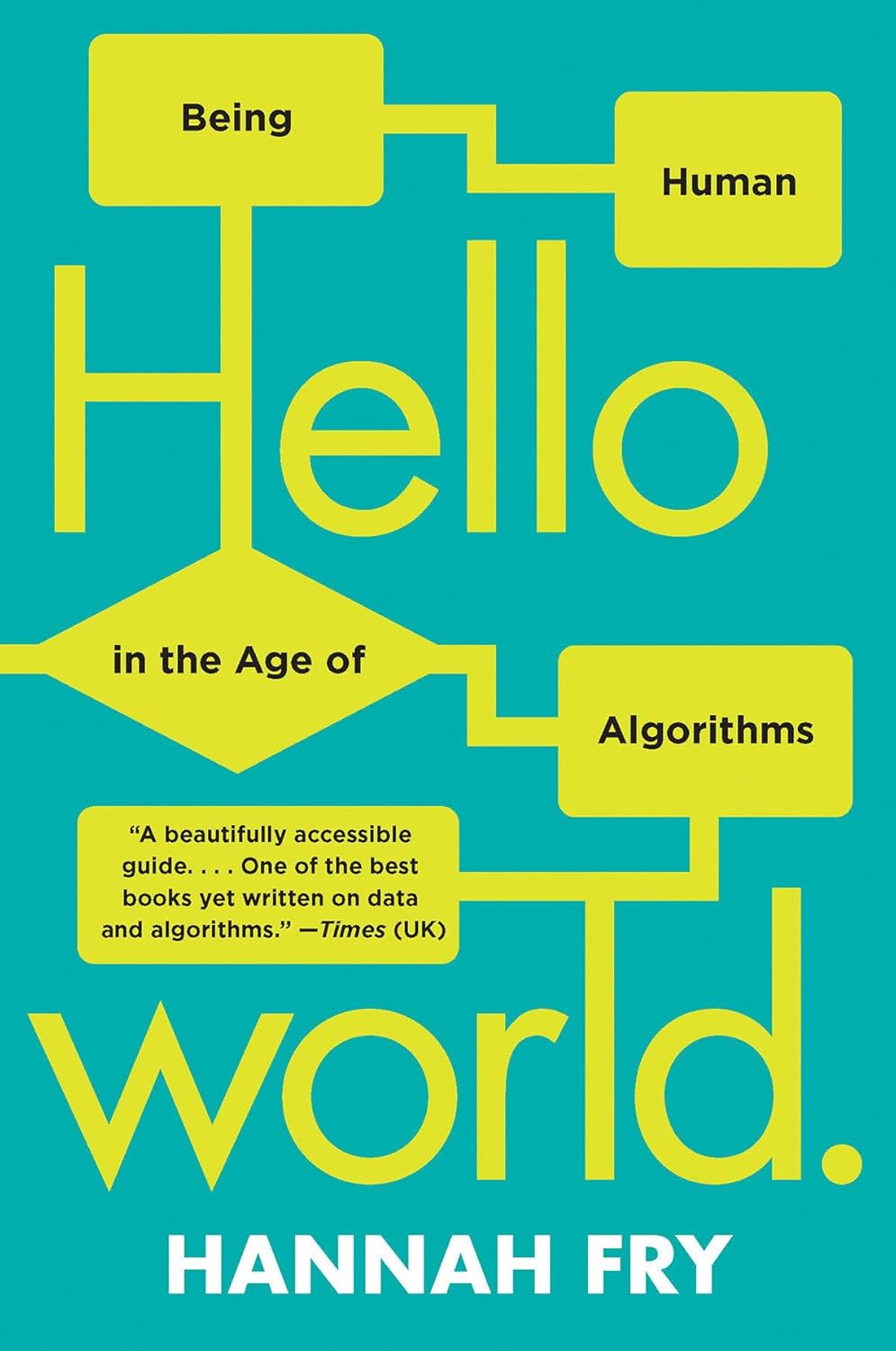
Algorithms in justice, medicine, cars and art, explained with British humor and mathematical honesty.

AI as the latest chapter in the history of information networks, from gossip to the printing press to the algorithm.
As an Amazon Associate, Zendoric earns from qualifying purchases; the price does not change for you. · all our recommended books →
🔗 Related on Zendoric
- Three seconds of audio is enough: AI voice fraud's flaw is that every defense arrives after the money is gone · 2026-07-28
- Three seconds of audio is all it takes: AI voice fraud wins because the safeguards are built to arrive too late · 2026-09-01
- Three seconds of audio is all a voice clone needs — and every defense we have arrives too late · 2026-09-04