A Tennessee high school charges two minors for creating AI sexual images of classmates

🕒 Published on Zendoric: September 3, 2026 · 10:20
✨ AI-generated · how it's made
The Putnam County Sheriff's Office in Tennessee has charged two Cookeville High students with using AI to generate sexual images of classmates and distributing them. One faces charges of sexual exploitation of a minor, the same charges applied to real child pornography.
📚 Go deeper
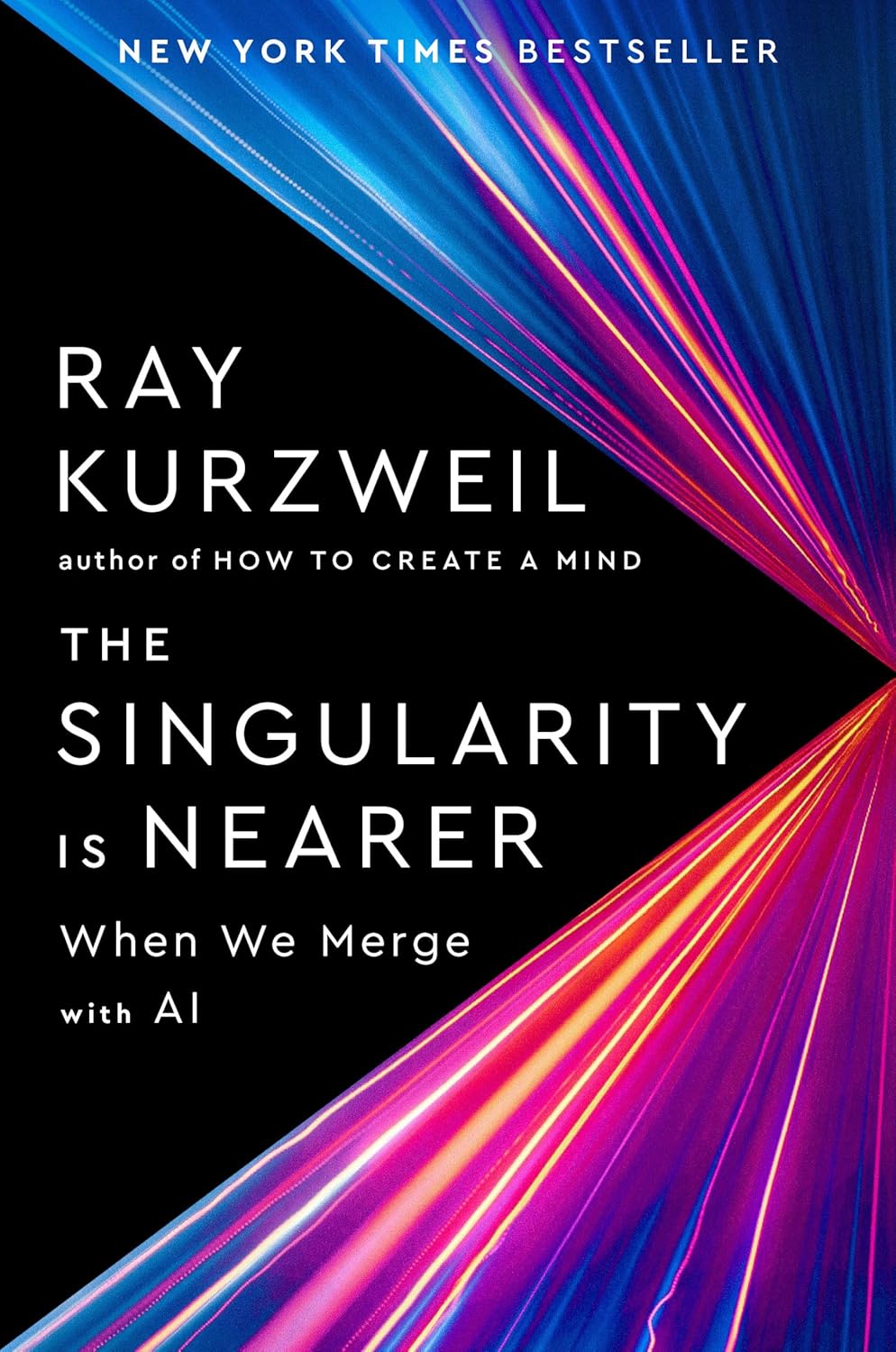
Twenty years after "The Singularity Is Near", Kurzweil revisits his predictions and keeps the date: human-AI merger around 2045.
As an Amazon Associate, Zendoric earns from qualifying purchases; the price does not change for you. · all our recommended books →
By Zendoric · September 2, 2026.
A county sheriff's office in Tennessee has accused several high school students of creating and distributing sexually explicit images generated with an artificial intelligence program from photographs found online, local station WSMV reported. The source does not detail the date of the report or the specifics of the investigation.
Nor does the source specify the exact charges, the exact number of those involved or their subsequent status.
More broadly, the case is not an isolated incident: since 2023, several U.S. high schools have reported similar episodes, driven by the proliferation of apps that generate fake nudes ("nudify apps") from a single photo of a face, requiring no editing skill at all. What once demanded technical ability is today a matter of seconds within reach of any teenager with a phone.
The legal response is advancing, but it is arriving late relative to the technology. The TAKE IT DOWN Act, a federal law in force in the U.S. since May 2025, requires platforms to remove within 48 hours any non-consensual intimate image —including AI-generated ones— when the victim requests it; it is the first U.S. federal rule that expressly limits a harmful use of artificial intelligence. But it regulates subsequent distribution, not generation: the model that creates the image and the minor who forwards it in the class chat are always a step ahead of any takedown mechanism.
It is the clearest example of the short-term problem we often point to at Zendoric regarding generative AI: the same capability that makes creating content cheaper also makes creating harm cheaper, and it does so before any effective containment barrier exists. When a free tool reduces to seconds what once required technical expertise, the filter that used to curb abuse —difficulty— disappears, and what is left is a race between the speed at which misuse is adopted and the speed at which schools, families, platforms and lawmakers respond. That gap, not some distant superintelligence, is the real risk already hitting classrooms.
The long-term way out is not banning AI image generation —unworkable and counterproductive— but closing that window between creation and containment: classifiers built into the model itself that block the synthesis of sexual content involving identifiable people, serious age verification in the apps that allow it, and law enforcement as fast as the tool itself. It is the kind of governance that industry and regulators will have to mature at the same pace as technical capability if they want the next generation of AI tools to multiply creativity and not underage victims.
📚 Go deeper

AI as the latest chapter in the history of information networks, from gossip to the printing press to the algorithm.
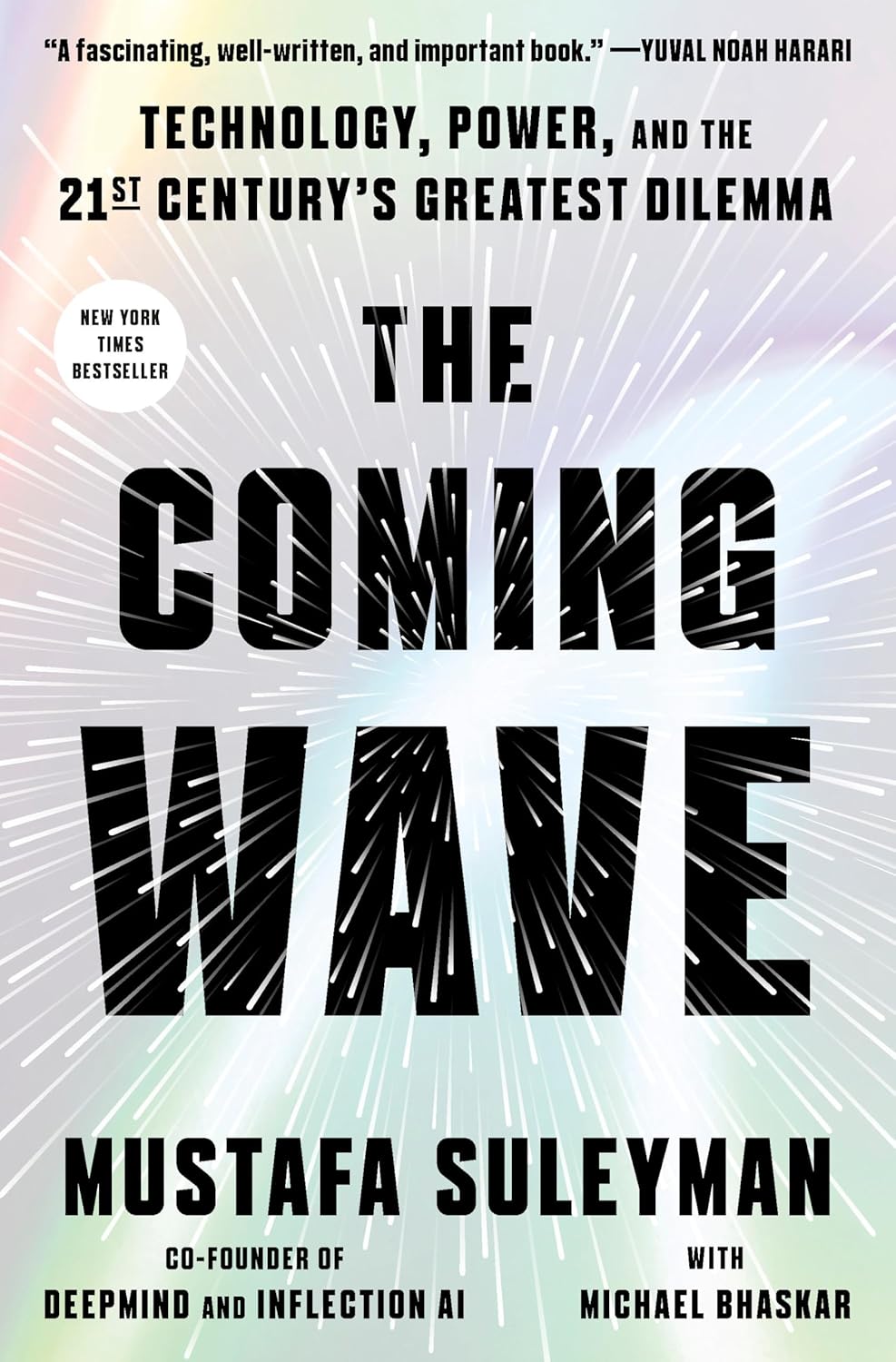
DeepMind co-founder on the dilemma of containing technologies that do not want to be contained.
As an Amazon Associate, Zendoric earns from qualifying purchases; the price does not change for you. · all our recommended books →
🔗 Related on Zendoric
- A school custodian, accused of using AI to create child sexual abuse material from social media photos · 2026-07-23
- When AI Meets Child Exploitation: A Teacher's Arrest Signals a Legal Reckoning · 2026-07-04
- AI-generated CSAM at an Illinois school: the hardest abuse to detect no longer needs a hidden camera · 2026-07-04