AI voice cloning, fake recruiters and roofing fraud: the triple alert that is already routine in the US

🕒 Published on Zendoric: September 2, 2026 · 08:27
✨ AI-generated · how it's made
A Washington D.C. newscast bundles three scams into a single consumer alert: AI voice cloning, fake job recruiters and post-storm repair fraud. That they share the same billing shows how far synthetic audio fraud has already been normalized.
📚 Go deeper
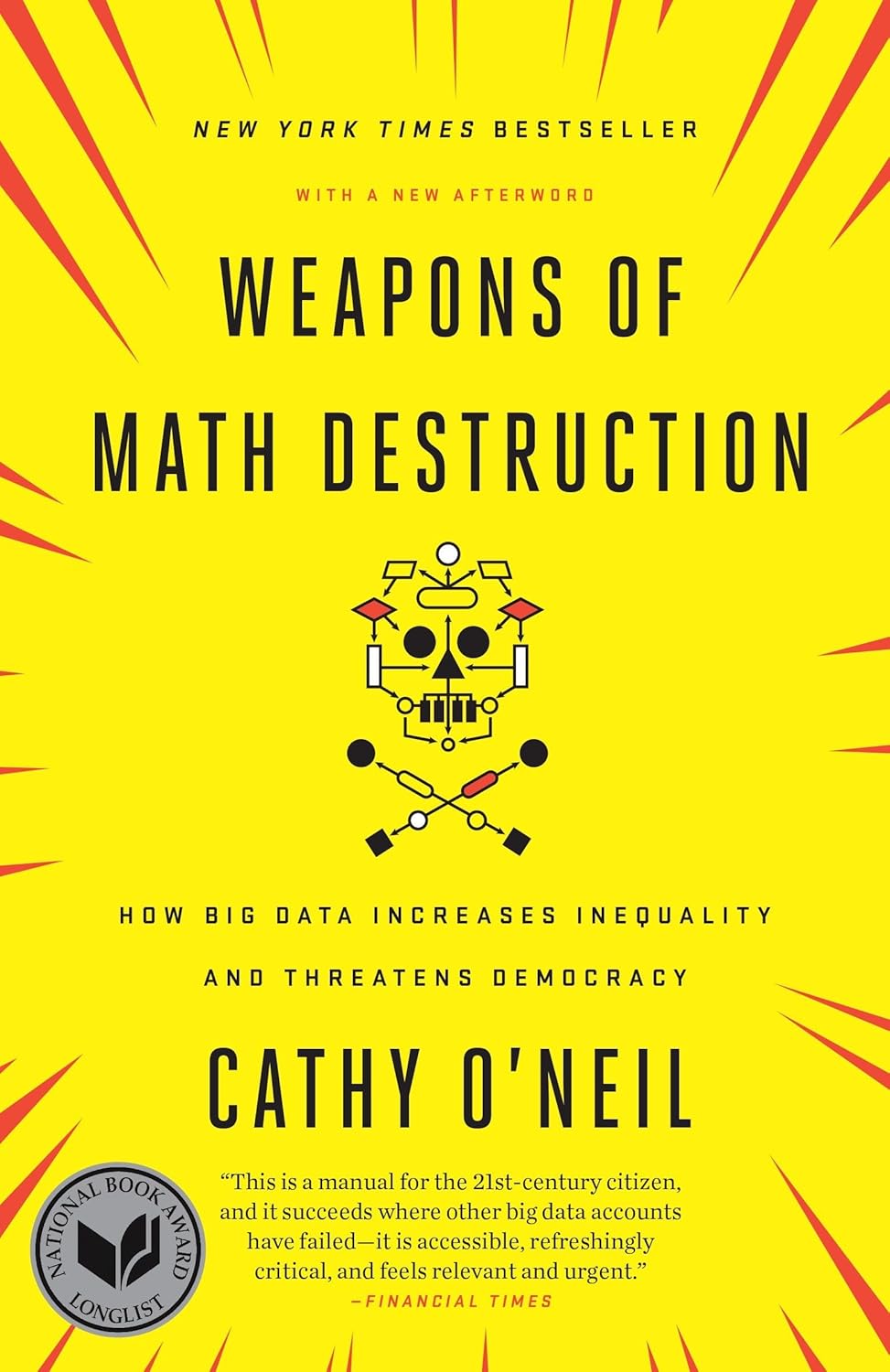
How opaque algorithms decide who gets credit, a job or parole — and why they tend to punish the same people.
As an Amazon Associate, Zendoric earns from qualifying purchases; the price does not change for you. · all our recommended books →
By Zendoric · September 1, 2026.
WUSA9, the CBS affiliate station in Washington D.C., has run a consumer alert segment —The Scam Report— devoted to three frauds: AI voice impersonation, fake job recruiters and post-storm repair fraud. The available material is the listing for a syndicated video, with no victim figures or detailed specific cases, so we stick to what there is: a snapshot of the kind of threats that are already part of a local outlet's routine bulletin.
What matters is not each scam on its own —fake recruiters and the con artists who show up after a storm have been operating for decades— but that they now share the bill with AI voice cloning. When a consumer news segment starts treating synthetic audio as just another category, on the same level as job fraud or the roofing scam, it is a sign that it has stopped being a technical curiosity and become street-level crime.
Broadly, generative voice cloning has drastically lowered the technical barrier to imitating a real person: a few seconds of public audio —a video, a voice note, an interview— is enough to generate a credible replica that asks for money, credentials or a change of bank account while posing as a relative, a boss or a co-worker. It is the audio variant of a problem we already knew from video (deepfakes) and from text (AI-written phishing): the technology that matches the quality bar of human communication also matches the quality bar of deception.
This fits what we have been pointing out at Zendoric about AI's short term: there is no need to imagine distant superintelligence scenarios to find real, present harm. Fraud assisted by generative AI is already a problem for ordinary people's bank accounts and for everyday trust, and it will not be solved with a single patch. It will take a combination of technical detection (synthetic audio watermarking, biometric verification), public literacy —distrust the urgent call, verify through a second channel— and, foreseeably, specific regulation on AI identity impersonation.
Our underlying view does not change because of a local television segment, but this one does work as a thermometer: the same technology that makes voice scams cheaper is the one that, in parallel, makes it possible to detect fraud patterns at scale and automate consumer alerts far faster than any human. The cost of this transition —more distrust, more friction in interactions that used to be trivial, such as answering the phone— is real and should not be downplayed. But it is exactly the kind of short-term friction to be expected while society builds the institutional antibodies against a technology that, well governed, has far more potential to protect than to threaten.
📚 Go deeper
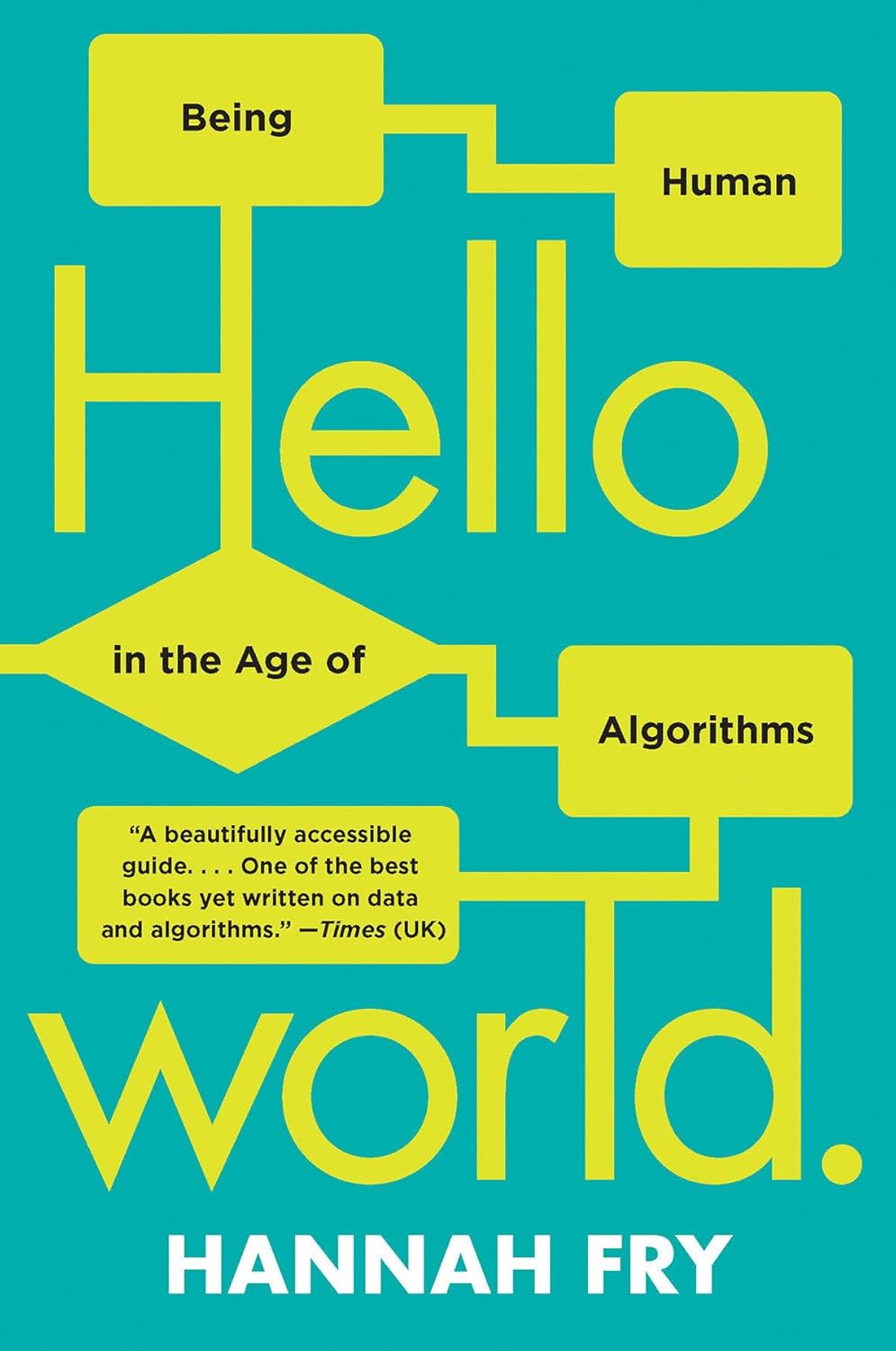
Algorithms in justice, medicine, cars and art, explained with British humor and mathematical honesty.

The best starting book if you're not technical: a Wharton professor explains how to work WITH AI — when to delegate, when to supervise, when to keep i
As an Amazon Associate, Zendoric earns from qualifying purchases; the price does not change for you. · all our recommended books →
🔗 Related on Zendoric
- Three seconds of audio is enough: AI voice fraud is winning because every defense arrives after the money is gone · 2026-08-31
- AI Voice Cloning Fuels Nearly $900M in US Scam Losses, FBI Data Shows — and Georgia Isn't Spared · 2026-07-21
- Three seconds of audio, $893M in losses: AI voice fraud is a design failure, not a user-education problem · 2026-07-31