What AI cannot do in medicine, according to the industry that lives off patient trust

🕒 Published on Zendoric: September 2, 2026 · 08:27
✨ AI-generated · how it's made
An executive at a healthcare marketing consultancy lists five things AI will not replace in medical care: trust, human contact, clinical judgment, compassion and meaning. The argument is sound, but it is worth reading while knowing who signed it and what they sell.
📚 Go deeper
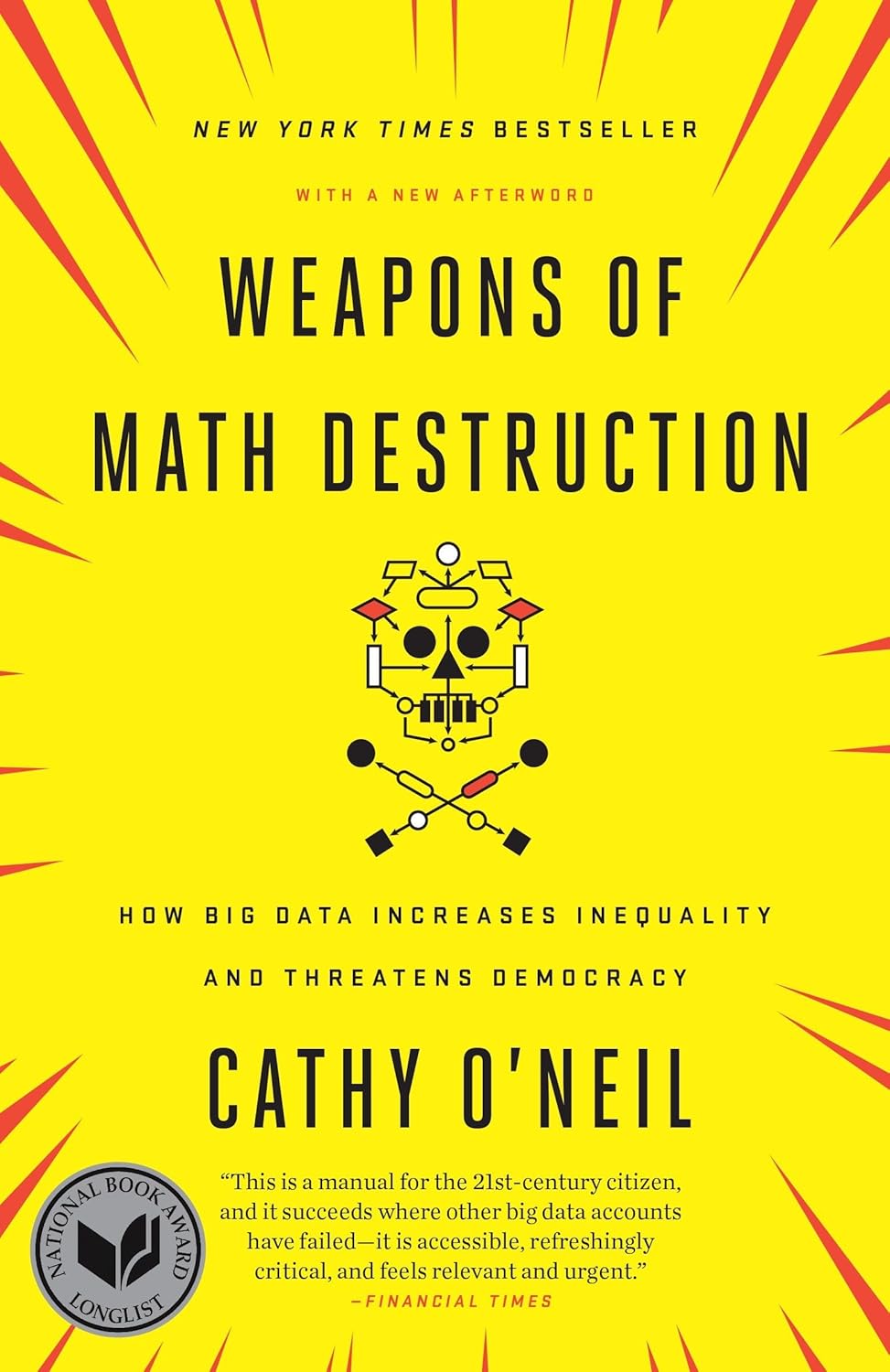
How opaque algorithms decide who gets credit, a job or parole — and why they tend to punish the same people.
As an Amazon Associate, Zendoric earns from qualifying purchases; the price does not change for you. · all our recommended books →
By Zendoric · September 2, 2026.
Daniel Fell, an executive at Unlock Health — a U.S. marketing and management consultancy for health systems — published an opinion piece on September 1 in the Chattanooga Times Free Press with a list of five things that, in his view, artificial intelligence will not be able to replace in medical care: trust, human connection, clinical judgment, compassion and the sense of meaning that accompanies life's most delicate moments.
Fell offers no data, studies or figures: it is a qualitative argument, built on his more than 30 years of experience advising hospitals on branding and digital transformation, as described in the article itself. His thesis: AI summarizes medical records, reads X-rays, answers patient questions and helps with diagnosis, but none of that replaces the gaze, the voice or the presence of a professional at the moment a patient needs it most.
It is worth reading the argument while knowing who is making it. Unlock Health sells precisely that: helping hospitals and clinics build brand and patient trust. That its spokesman argues trust "cannot be programmed" and is "health care's most valuable asset" does not invalidate the argument, but it does explain why the text reads more like a sales pitch than a technical analysis: it is the natural pitch of a consultancy that bills for managing that very variable.
That said, the underlying thesis is not far-fetched and matches what the actual evidence on medical AI shows so far. At Zendoric we have reviewed the catalogue of FDA-authorized algorithms — where radiology accounts for the vast majority of authorizations, though the source does not detail the exact figures here — and the MASAI trial, which, with some 105,000 women, raised breast cancer detection by around 29%: in both cases AI works as a bounded tool that assists the specialist, not as a substitute that decides or consoles on its own. Radiology, the most automated specialty today, still needs someone to communicate the diagnosis, hold the patient's distress and make the final decision with the patient present.
Our take: the problem with Fell's list is not what it says, but treating it as static. Pure clinical judgment — cross-referencing symptoms, history and probabilities — is precisely the task where AI is advancing fastest and where it already matches or surpasses clinicians on narrow, well-defined tasks, as the screening trials themselves show. What is not losing ground is judgment in its full sense: deciding alongside the patient when the data are not enough, values clash and someone has to take responsibility. There the machine proposes; the person decides.
In the long run this fits the thesis we hold at Zendoric: the more routine and administrative work AI absorbs — reading images, paperwork, initial triage — the more human labor concentrates on what this article lists: rapport, judgment and accompaniment. It is not that health care becomes dehumanized; it is that, if the transition is well managed, the professional's time is freed up for the part a patient actually remembers. The short-term risk is not that AI will "replace" the doctor, but that health systems will use the efficiency gained to cut staff instead of reinvesting it in more time for human contact. That is the management decision that really matters, and it depends not on the technology but on who implements it.
📚 Go deeper
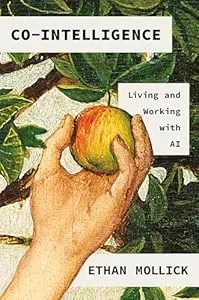
The best starting book if you're not technical: a Wharton professor explains how to work WITH AI — when to delegate, when to supervise, when to keep i

The only novel on the list, by a Nobel laureate: an artificial friend observes humans with a blend of lucidity and innocence no essay achieves.
As an Amazon Associate, Zendoric earns from qualifying purchases; the price does not change for you. · all our recommended books →
🔗 Related on Zendoric
- A medical framework puts the patient ahead of savings in the hospital AI race · 2026-07-21
- Norway's 'read first, prompt later' rule is the right instinct, even if the framing is blunt · 2026-06-25
- Pruning Claude Code's memory with a human in the loop: the tool that doesn't trust the model · 2026-06-26