An AI-'invisible' shirt in Berlin exposes how fragile algorithmic surveillance is

🕒 Published on Zendoric: September 1, 2026 · 00:48
✨ AI-generated · how it's made
Berlin artist Simon Weckert has unveiled 'Digital Camouflage', a shirt he says evades recognition by the AI cameras recently installed at Berlin's Kottbusser Tor station. A symbolic gesture that reopens the debate over how fragile algorithmic surveillance on the street still is.
📚 Go deeper
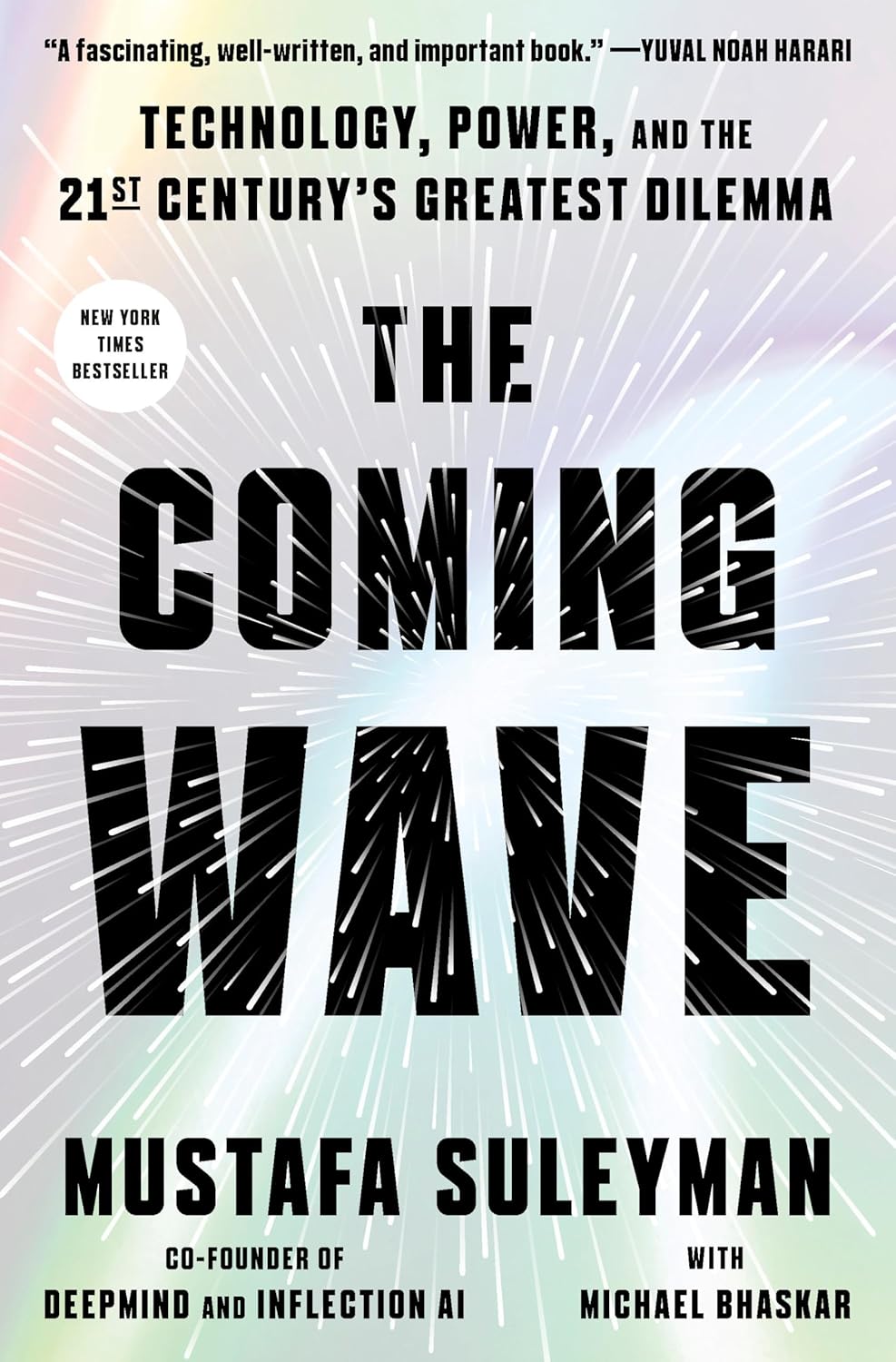
DeepMind co-founder on the dilemma of containing technologies that do not want to be contained.
As an Amazon Associate, Zendoric earns from qualifying purchases; the price does not change for you. · all our recommended books →
By Zendoric · September 1, 2026.
Berlin artist Simon Weckert has presented a button-down shirt dubbed 'Digital Camouflage' which, by his own demonstration, prevents AI-powered surveillance cameras from recognizing him as a person. The piece is a direct response to the AI surveillance system that went into operation this month at Kottbusser Tor, a transport hub in the city of Berlin, as reported by CryptoPolitan.
The outlet itself does not detail the design's technical mechanism —nor which specific detector it evades: person recognition, facial recognition or behavior detection— so the demonstration is best treated as what it is: an artistic proof of concept, with no published independent verification, and not a security audit. Even so, the gesture fits a pattern Weckert had already exploited before: in 2020 he became famous for wheeling a cart carrying 99 switched-on mobile phones down an empty Berlin street to simulate a fake traffic jam on Google Maps and thereby force a detour. His signature is the same: use a cheap physical trick to expose how little effort it takes to confuse a 'smart' algorithmic system.
Broadly speaking, this 'adversarial fashion' current is not new. For more than a decade, projects such as CV Dazzle (makeup and hairstyle patterns designed to throw off facial detectors) or the 'adversarial patches' of computer vision research have shown that minimal visual perturbations —sometimes almost imperceptible to a human— can make an image classifier fail completely. What changes now is the context: these techniques are no longer tested only in a lab, but against real cameras managing the security of a public space, in the middle of a European debate over the deployment of 'smart' video surveillance in transport.
That is the part that really matters, beyond the anecdotal side of the experiment. Much of the algorithmic surveillance being installed in European cities is sold with an 'AI' label that suggests reliability, when in practice it remains as fragile as any classifier trained on limited data and exposed to a real world full of edge cases. The more public safety leans on these systems —and the less their robustness against deliberate evasion attempts is audited— the wider the gap between the promise of control and the actual capacity to monitor.
Our reading, consistent with what we have been arguing about AI safety and governance: the underlying problem is not that an artist manages to fool a camera with a shirt, but the lack of adversarial robustness standards and accountability before these systems are installed in public spaces. In the short term this feeds a classic move-and-countermove race —every improvement in detection produces a counter-design that dodges it— and erodes trust both among those who fear mass surveillance and among those who promote it as a security solution. In the long run, however, this kind of public friction is healthy: it forces the computer vision that governs shared spaces to pass stress tests before deployment, just as we require crash tests of a car before it is sold. A society that learns to demand that robustness —and not just the headline of 'AI cameras'— will be better prepared to benefit from automation without giving up too much freedom or too much safety.
📚 Go deeper

AI as the latest chapter in the history of information networks, from gossip to the printing press to the algorithm.
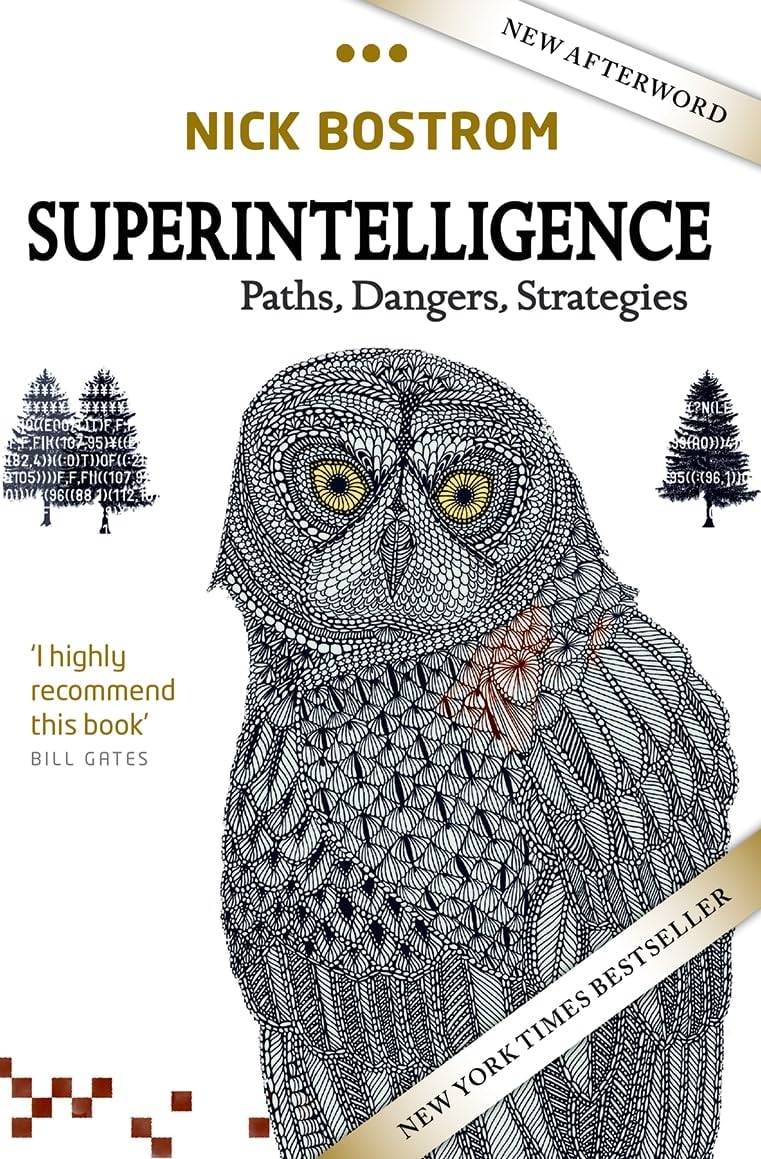
The book that started the existential-risk debate and that half the industry still cites.
As an Amazon Associate, Zendoric earns from qualifying purchases; the price does not change for you. · all our recommended books →
🔗 Related on Zendoric
- 700 million cameras and an unresolved dilemma: how AI turns Chinese surveillance into an uncomfortable mirror for the rest of the world · 2026-06-28
- AI cameras solved a shooting in Hilton Head in five minutes: the price is permanent surveillance · 2026-07-07
- Kerala deploys 625 AI cameras for traffic: the price of safety is total surveillance · 2026-07-06