SkillRepo launches Skillsets: version control and team-level approval of AI skills
🕒 Published on Zendoric: September 1, 2026 · 00:48
✨ AI-generated · how it's made
SkillRepo has unveiled Skillsets, a governance feature designed for organizations already using its platform as a shared library of "skills" (reusable instructions) for AI agents.
📚 Go deeper
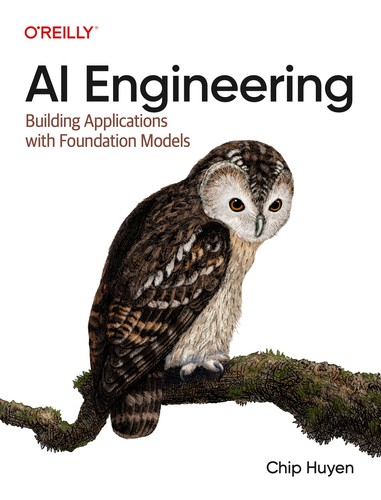
The reference manual for building products on top of AI models: prompts, RAG, fine-tuning, agents, evaluation and deployment.
As an Amazon Associate, Zendoric earns from qualifying purchases; the price does not change for you. · all our recommended books →
SkillRepo has launched Skillsets, a governance feature aimed at organizations already using its platform as a shared library of "skills" (reusable instructions) for AI agents. The pitch stems from a diagnosis that, according to the company, its customers repeated as they grew: not every team should run the same set of skills, and an update published by an outside third party should not automatically propagate across the entire fleet of agents without prior review.
A skillset is, in the article's definition, a named and graded collection of skills drawn from the organization's library, assembled by a team lead, that a group of repositories runs. The core idea is to separate two roles: external publishers contribute skills, but they never decide who runs them; that decision stays with each organization. Two different skillsets can share some skills and differ on others, and a repository joins a skillset via a one-line file that goes through review like any other code change.
The feature builds on SkillRepo's existing infrastructure: each skill is still graded by the platform's automated analysis, attributed to its author, and distributed through the same login-time sync they were already using. On top of that, Skillsets adds what the article calls a "decision layer": the ability to compose a different set per team or per repository type, each with its own name, description and aggregate grade summary, instead of exposing the whole library to everyone.
One of the central elements is approving updates before they are deployed. When a public publisher ships a new version of a skill included in a set, that version does not propagate automatically: the team is notified, reviews the change and explicitly approves it; only then does it reach all members at their next sync. As an exception, publishers marked as "trusted" skip that queue, and the team's own skills are published immediately without going through the approval process.
The other central piece is visibility into actual compliance. Each skillset shows its associated repositories with a per-row status: "compliant" (an exact match with the approved set), "not compliant" (with details on what differs, for example a missing skill that is part of the set) or "not synced recently" (no sync report in more than 14 days). When a repository is not compliant, you can drill down to see who on the team has deviated and how: an outdated version, a locally edited skill, or a skill added locally or globally that does not belong to the approved set. Every sync is logged —which skills, which versions, at what time—, which, according to the article, makes it possible to answer not only which repository is out of line but who needs to fix it.
That traceability also enables a rollback feature: if a version of a skill turns out to be faulty or compromised, it can be revoked across every repository syncing that set, returning them to the last approved version, and the log makes it possible to determine who received the problematic version and since when. Skills, the article notes, are kept in the open format that the usual tools already read —Claude Code, Cursor and Copilot are cited explicitly—, so Skillsets does not replace those tools but adds governance around them.
The article itself is explicit about the limits of what the feature guarantees. Skillsets controls and logs the input: the approved skill, delivered to the path the tool reads. It does not guarantee that the agent will follow that guidance perfectly afterwards, something that —per the text— no one can promise, and anyone who does promise it should be treated with suspicion. The comparison it offers is with audited disciplines that certify a procedure rather than inspecting every individual outcome; against the current alternative of having neither control nor a log, they consider it a significant and honest step forward. It also adds two caveats of its own: a review queue with no assigned owner amounts to a team gradually falling behind, so it recommends giving it an owner; and a machine that never syncs cannot be forced to, it will simply show up as "silent" on the dashboard, which requires manual follow-up.
On why using git directly is not enough, the article argues that for a single repository git is indeed the right solution —skills are files, you protect the branch and review changes like any other code—. But git in a single repository cannot propagate an approved change to dozens of repositories at once, nor interpose an approval of your own before adopting an external author's version, nor keep the same approved set consistent across the different tools teams actually use. As soon as the same skill has to be identical in more than one place, copying it by hand becomes the very source of the drift you were trying to avoid. The text also notes that each tool vendor is adding its own internal governance, which helps but leaves the underlying problem untouched, because no serious organization operates with a single tool; hence SkillRepo positions itself as a neutral layer that, it argues, an individual tool vendor could not build on its own, not being neutral across ecosystems.
Skillsets is now available on all SkillRepo Team plans. According to the article, composing a first set from the existing library and assigning it to a repository takes minutes, with documentation available on the review queue, trusted publishers and the recall mechanism.
Taken together, it is a product move that reflects a broader trend in the AI agent ecosystem: as organizations come to depend on reusable instructions (skills, prompts, templates) distributed across multiple teams and tools, the same governance questions that already exist for code and software dependencies emerge —who approves a change, who runs it, and how it is audited and rolled back when something goes wrong—. SkillRepo is betting that this control layer, being neutral with respect to the end tool (Claude Code, Cursor, Copilot or others), makes more sense as an independent service than as an isolated feature inside each product.
📚 Go deeper
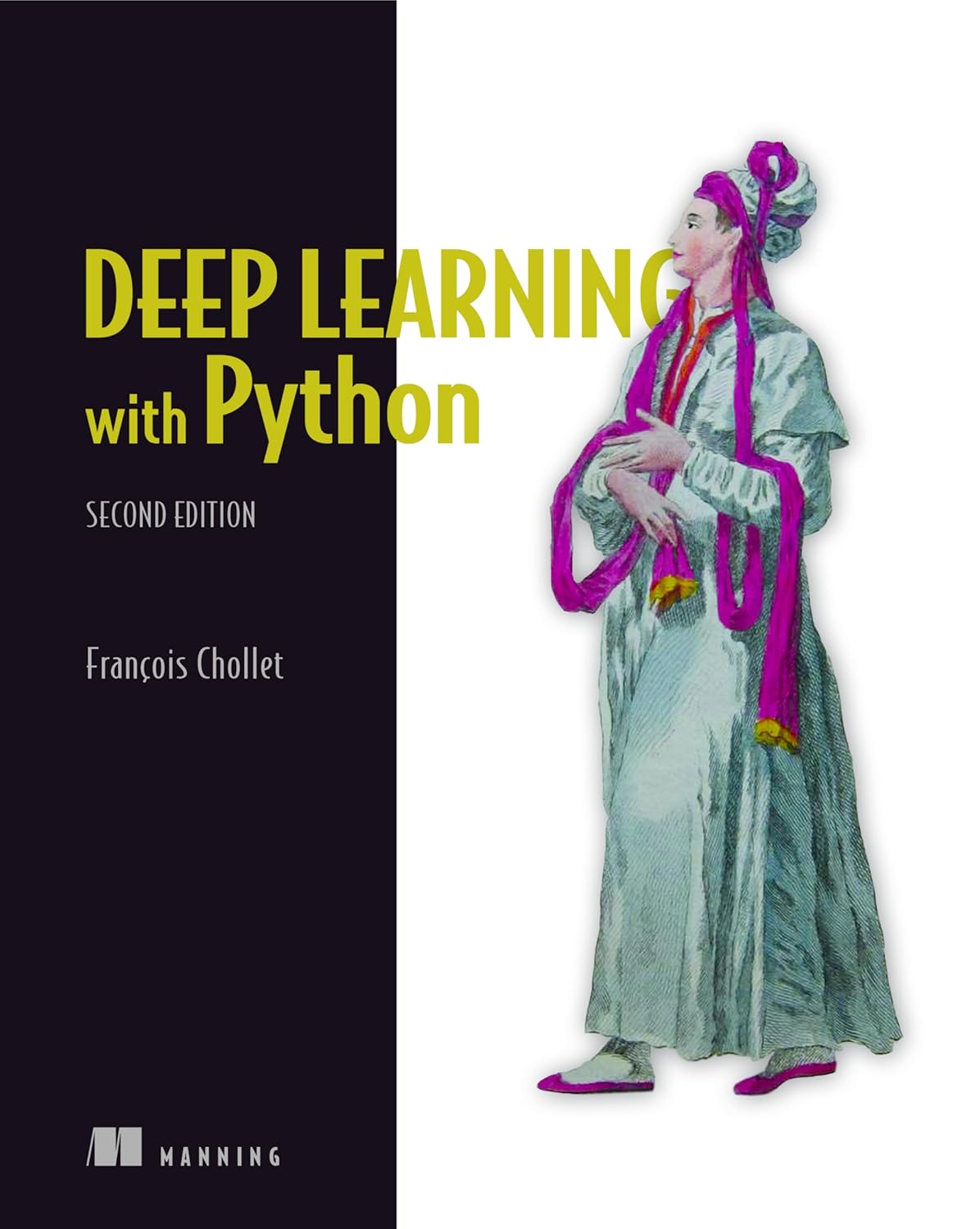
The creator of Keras teaching from scratch, with working code and zero pedantry.
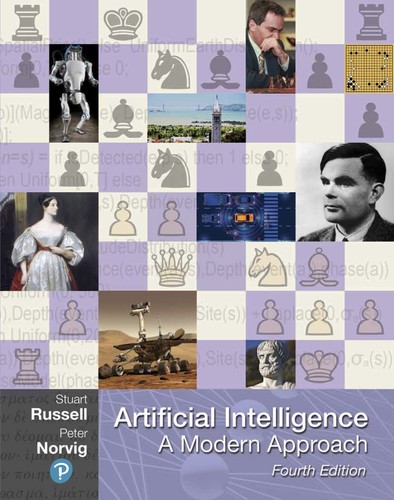
THE AI textbook: used by 1,500+ universities.
As an Amazon Associate, Zendoric earns from qualifying purchases; the price does not change for you. · all our recommended books →
🔗 Related on Zendoric
- Only 12% of companies know how to govern their AI agents: Google turns that gap into its edge over OpenAI and Anthropic · 2026-07-20
- OpenAI launches Presence, a platform to deploy and manage voice and chat agents in enterprises · 2026-07-24
- AWS's Loom: the AI agent race is no longer about the model, it's about who governs its deployment · 2026-07-10