AWS's Loom: the AI agent race is no longer about the model, it's about who governs its deployment
🕒 Published on Zendoric: July 10, 2026 · 00:24
✨ AI-generated · how it's made
AWS launches Loom, an open source platform to deploy AI agents with access controls, human approval and end-to-end traceability. It's not a smarter model: it's the plumbing that decides who's in charge of agents in production.
📚 Go deeper
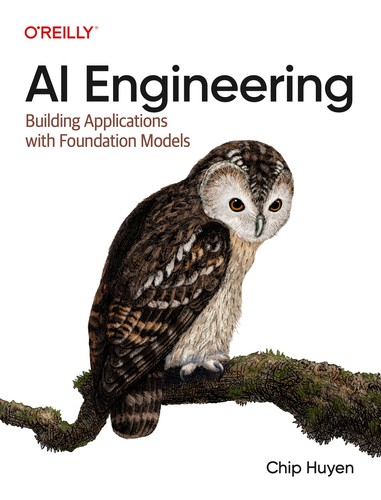
The reference manual for building products on top of AI models: prompts, RAG, fine-tuning, agents, evaluation and deployment.
As an Amazon Associate, Zendoric earns from qualifying purchases; the price does not change for you. · all our recommended books →
By Investing.com México · July 9, 2026.
Amazon Web Services on Thursday unveiled Loom, an open-source platform designed to let companies build and deploy artificial intelligence agents with security controls and governance frameworks built in from the ground up. It integrates with Amazon Bedrock AgentCore and with AWS Strands Agents, and adds very concrete pieces: automatic and mandatory tagging of all deployed resources (with three minimum tags and a customization option to attribute costs), two-dimensional access control that combines roles with group tags, configuration-based deployment instead of real-time code generation, and credential management through AWS Secrets Manager. It supports both low-code flows with pre-written Python agents and no-code deployments on the AgentCore managed environment, with user identity propagated via OAuth2 throughout the entire chain of agent requests. It also connects with the new AWS Agent Registry (still in public preview) and adds human-in-the-loop approval flows —using Strands Agents hooks and Model Context Protocol elicitations— for the most sensitive actions. The project lives in AWS Labs on GitHub and accepts outside contributions.
What matters here is not a new reasoning capability or a benchmark leap: it is control infrastructure. AWS is not competing to have the smartest model —for that it already relies on Anthropic, on its own Nova or on third parties via Bedrock—, but to be the layer that any company, whatever model it uses, has to go through to put agents into production without losing control. Mandatory tagging, a central registry of agents and tools, pre-production governance review and human approval for sensitive actions are, at bottom, a hyperscale cloud's answer to the question that most keeps any CISO or compliance officer awake: what exactly does this agent do, with what permissions, and who authorized it?
This fits with something we've been observing in real deployments of agentic AI: the competitive advantage is shifting from the model to the architecture. When an agent can execute actions —not just generate text—, the question that matters stops being "how good is the model?" and becomes "can I audit, roll back and bound what it did?". Loom is AWS's bet to become the de facto standard of that governance layer, in the same way that in the war over agent distribution we already saw Google and Microsoft move toward controlling integration and standards rather than fighting only over the smartest model. That AWS releases it as open source, and not as a closed product, is no coincidence either: it is the fastest way for its way of tagging, registering and approving agents to become the sector's common language before any rival's does, thereby capturing the ecosystem of tools and templates built around it.
For companies already deploying agents —or about to— this is good news with caveats. Good because it lowers one of the real barriers to going from pilots to production: the well-founded fear that an agent with broad permissions does something irreversible without anyone noticing. With caveats because governance is not synonymous with guaranteed security, and because the agent registry in public preview is a reminder that much of this scaffolding is still under construction. On the employment front, moves like this push in the same direction we've been noting in the tech sector: fewer hands are needed for routine integration tasks and more profiles in security governance, identity architecture and agent auditing, precisely the kind of work that requires human judgment and isn't automated by the agent itself.
In the long run, this class of infrastructure —boring, unflashy, but indispensable— is precisely what allows the promise of agentic AI to hold up without collapsing into trust incidents. If we want a world where agents genuinely manage complex processes in health, research or logistics on the way to that abundance we champion as a horizon, first someone has to solve the wholly unglamorous problem of who can authorize which action and how it's demonstrated afterward. Loom is not superintelligence nor does it claim to be: it is a sign that the sector is beginning to take seriously the plumbing without which agentic ambition remains a promise.
📚 Go deeper
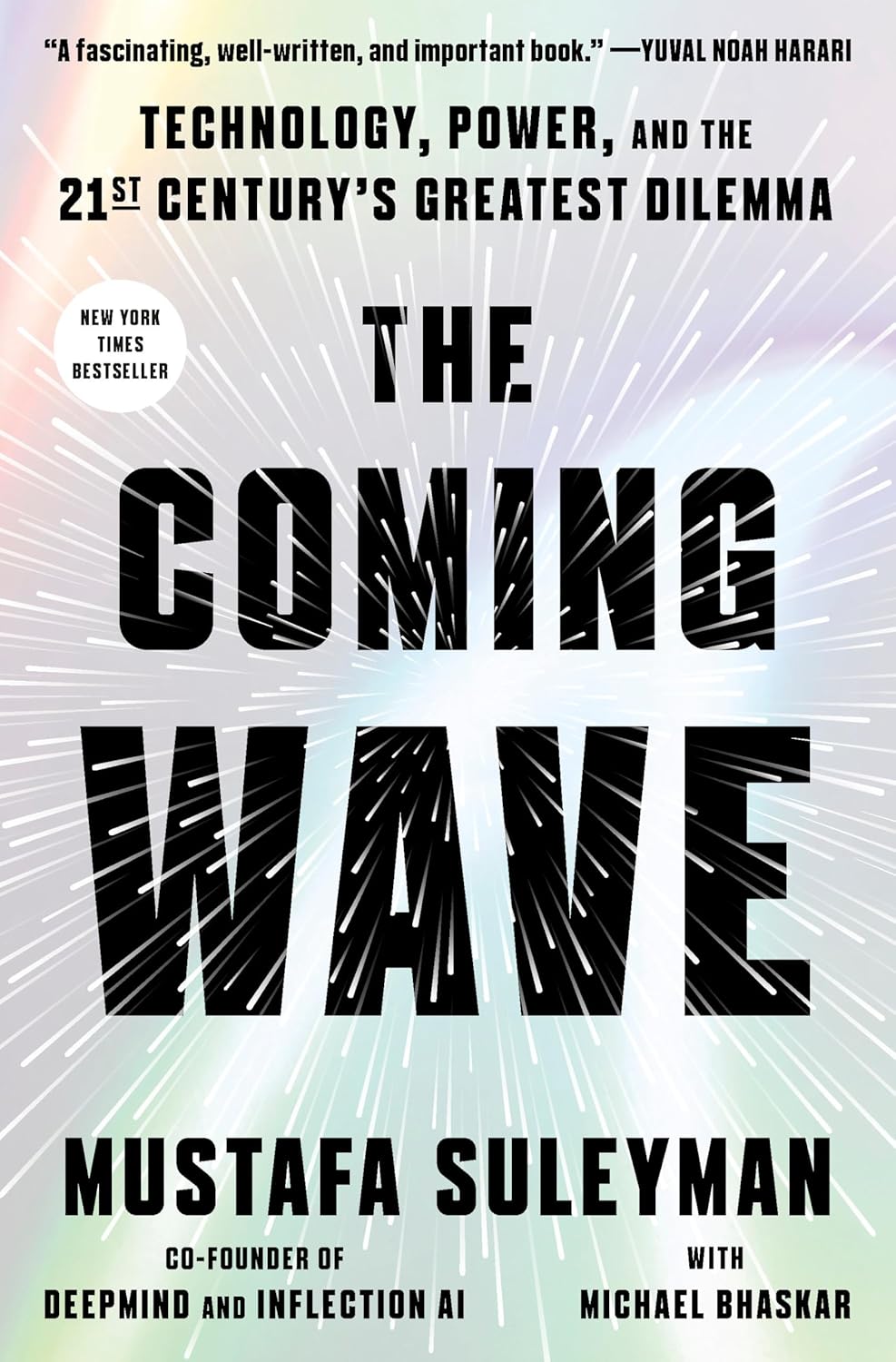
DeepMind co-founder on the dilemma of containing technologies that do not want to be contained.
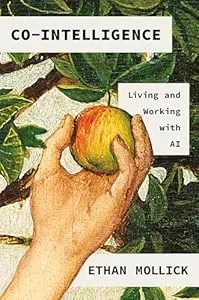
The best starting book if you're not technical: a Wharton professor explains how to work WITH AI — when to delegate, when to supervise, when to keep i
As an Amazon Associate, Zendoric earns from qualifying purchases; the price does not change for you. · all our recommended books →
🔗 Related on Zendoric
- Oracle connects AI to its cloud policies: the battle is no longer the model, it's the plumbing · 2026-07-08
- Kyndryl and AWS expand their alliance: the agentic AI race is no longer about the model, but about who governs it · 2026-07-12
- Only 12% of companies know how to govern their AI agents: Google turns that gap into its edge over OpenAI and Anthropic · 2026-07-20